czego szukasz?
W maszynowniach okrętowych jest bardzo mało miejsca na niekontrolowane straty ciepła.
Rury wydechowe, rury pionowe, kolanka, kolektory i tłumiki mogą pracować w temperaturach na tyle wysokich, że mogą oddziaływać na pobliskie węże, okablowanie, urządzenia, powierzchnie konstrukcyjne i obszary dostępu dla personelu. W zamkniętej maszynowni ciepło wydzielane przez jeden element układu wydechowego może również przyczyniać się do ogólnego obciążenia cieplnego pomieszczenia.
Prawidłowo zaprojektowanyizolacja spalin morskichSystem pomaga zatrzymać ciepło i kieruje ochronę termiczną tam, gdzie jest potrzebna.
W zastosowaniach morskich sama izolacja stanowi jedynie część rozwiązania. System musi również wytrzymać wibracje, wilgoć, działanie soli, ograniczony dostęp i rutynową konserwację silnika.
BSTFLEX produkujeizolacja osłony termicznej wydechuoraz niestandardowe systemy ochrony termicznej dla rur wydechowych, pionów, kolanek, kolektorów, turbosprężarek i innych podzespołów narażonych na wysokie temperatury.
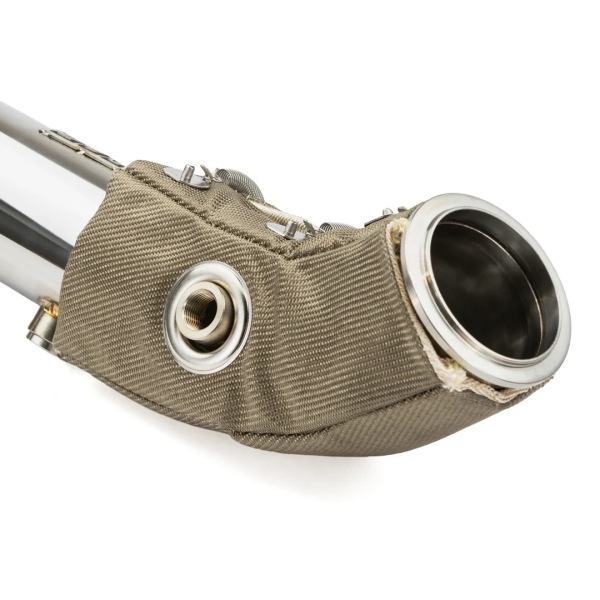
Pierwszą rzeczą, jaką należy zrobić, jest rozróżnienie pomiędzy gorącymi sekcjami układu wydechowego, które wymagają ochrony termicznej, a otaczającymi je elementami, które wymagają ochrony przed nimi.
Typowa instalacja diesla do łodzi może zawierać:
Silnik → Kolektor wydechowy → Turbosprężarka → Podnośnik wydechowy → Kolanko → Rura wydechowa → Tłumik
Nie każda sekcja wymaga takiej samej konstrukcji izolacyjnej.
W przypadku rury prostej można zastosować wyjmowaną otulinę rurową.
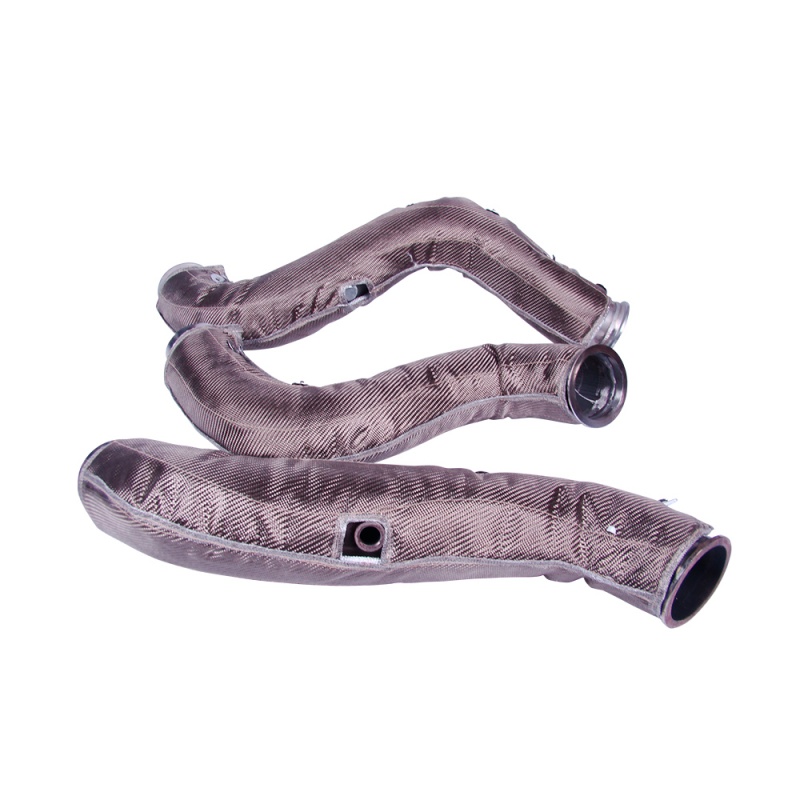
Duży łokieć może wymagać odpowiedniego koca.
Turbosprężarka może wymagać specjalnej, dopasowanej osłony.
Znajdujący się w pobliżu przewód paliwowy może wymagać osobnej osłony termicznej.
To podejście oparte na komponentach jest szczególnie ważne w przypadku sprzętu morskiego, ponieważ przestrzeń, wentylacja i dostęp do usług są zwykle ograniczone.
Ochronę termiczną układu wydechowego można stosować w wielu obszarach układu wydechowego statku.
Podnośniki są często umieszczane w pobliżu urządzeń maszynowni i elementów konstrukcyjnych.
Zdejmowany koc izolacyjny może zakryć gorącą powierzchnię, zapewniając jednocześnie dostęp do punktów montażowych i obszarów serwisowych.
Łuk ma zmienną geometrię, co sprawia, że konwencjonalne owijanie jest mniej proste.
Odpowiednio ukształtowany koc termiczny może dopasować się do zagięcia i zapewnić bardziej równomierne pokrycie wokół elementu.
Dłuższe, proste odcinki można izolować za pomocą:
zdejmowane osłony rur;
elastyczne opóźnienie;
rękawy wysokotemperaturowe;
owijka wydechu;
wielowarstwowe kurtki izolacyjne.
Właściwy wybór zależy od temperatury, średnicy, luzu i wymagań konserwacyjnych.
Kolektory to kompaktowe podzespoły wysokotemperaturowe, które mogą emitować znaczne ilości ciepła do otaczającej je komory silnika.
Dopasowanykoc izolacyjny kolektora wydechowegomoże zapewnić ograniczenie temperatury, dostosowując się do geometrii kolektora.
Obudowy turbosprężarek często wymagają specjalnie ukształtowanej izolacji ze względu na ich złożoną geometrię i wysoką temperaturę lokalną.
Zamiast próbować owijać płasko nieregularny element wokół obudowy, można wykonać specjalny koc wokół niej.
Duże tłumiki mają znaczną powierzchnię zewnętrzną.
Zdejmowana osłona izolacyjna może zmniejszyć wydzielanie ciepła przez tłumik, umożliwiając jednocześnie wyjęcie poszczególnych sekcji podczas konserwacji.
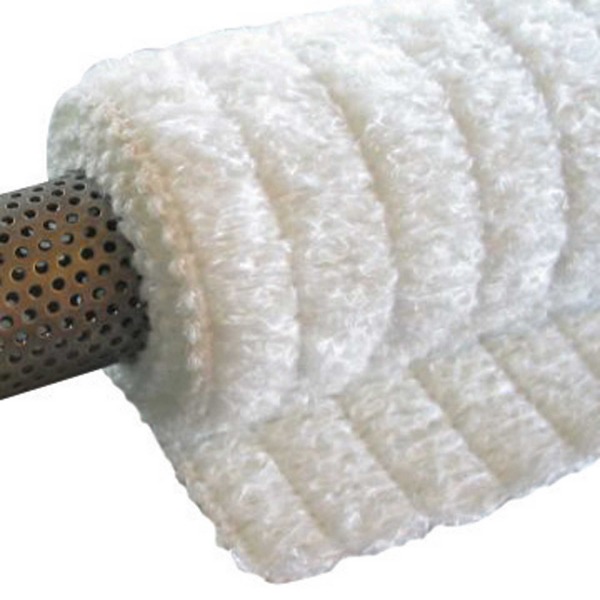
Sprzęt morski nie jest instalacją statyczną.
Silniki wymagają kontroli, serwisowania i wymiany podzespołów przez cały okres ich eksploatacji.
Dostęp do przyłącza wydechowego może być konieczny w następujących przypadkach:
kontrola śrub;
wymiana uszczelki;
inspekcja rur;
serwisowanie czujników;
konserwacja kołnierzy;
badanie nieszczelności układu wydechowego.
Jeżeli izolacja jest trwale połączona lub owinięta wokół całego przewodu wydechowego, dostęp do podzespołu może wiązać się z koniecznością przecięcia izolacji.
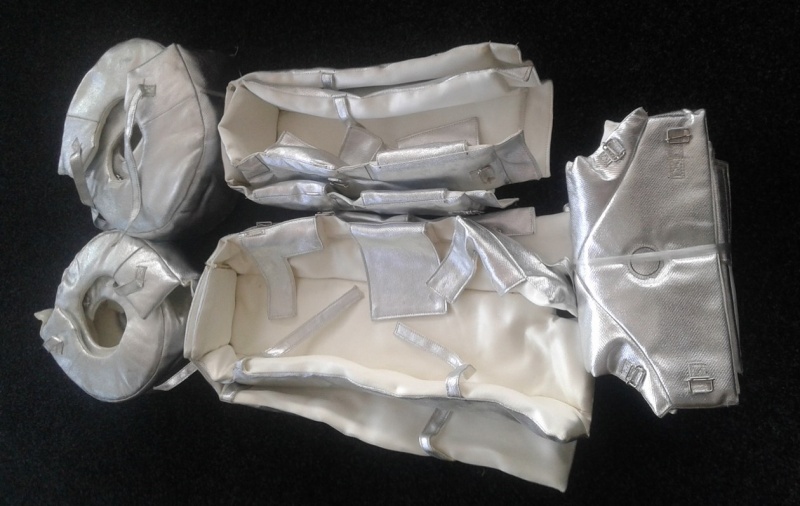
Akoc izolacyjny do spalin morskichjest inny.
Koc może zostać zaprojektowany z zapięciem mechanicznym, dzięki czemu technicy mogą:
zwolnić system mocujący;
usuń wymaganą sekcję;
sprawdź element układu wydechowego;
przeprowadzać konserwację;
ponownie zamontuj izolację.
Dzięki temu konstrukcja demontowalna jest szczególnie przydatna w przypadku statków komercyjnych, łodzi roboczych, generatorów morskich i innego sprzętu, w którym liczy się łatwość serwisowania.
Morski koc wydechowy składa się zazwyczaj z kilku warstw funkcjonalnych.
Dokładna konstrukcja zależy od temperatury spalin i środowiska pracy.
Powierzchnia wewnętrzna zwrócona jest w stronę elementu wydechowego.
Możliwe materiały obejmują:
tkanina z włókna szklanego;
tkanina o wysokiej zawartości krzemionki;
siatka ze stali nierdzewnej;
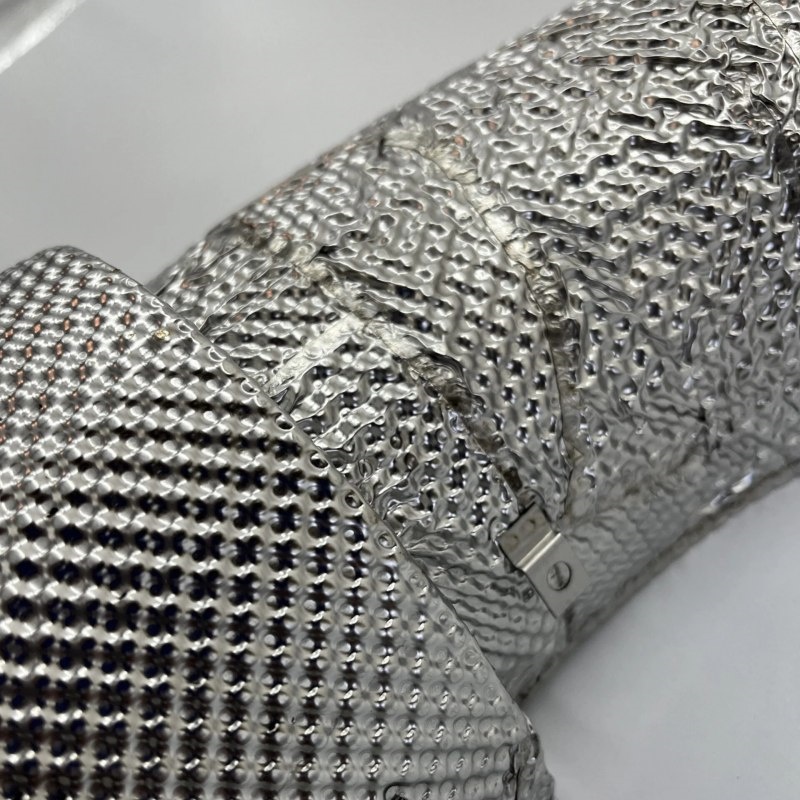
folia ze stali nierdzewnej;
inne tekstylia odporne na wysokie temperatury.
Warstwa gorąca chroni rdzeń izolacyjny przed bezpośrednim kontaktem z elementem wydechowym i zapewnia wymaganą odporność na temperaturę.
Rdzeń zapewnia główny opór cieplny.
W zależności od zastosowania koc może zawierać:
izolacja z włókna szklanego;
izolacja wysokotemperaturowa typu mineralnego lub ceramicznego;
izolacja na bazie krzemionki;
inne materiały termiczne.
Grubość rdzenia można dostosować do wymaganej wydajności cieplnej i dostępnej przestrzeni instalacyjnej.
Zewnętrzna powierzchnia chroni koc przed wpływem środowiska morskiego i uszkodzeniami mechanicznymi.
W zależności od zastosowania, konstrukcja zewnętrzna może wykorzystywać:
włókno szklane powlekane;
tekstylia wysokotemperaturowe;
tkanina pokryta silikonem;
siatka ze stali nierdzewnej;
inne materiały ochronne.
Koce morskie mogą wykorzystywać:
haki ze stali nierdzewnej;
źródła;
sznurowanie drutem;
paski;
klamry;
wszywane systemy zapięć.
Osprzęt ze stali nierdzewnej jest szczególnie przydatny w sytuacjach, gdy odporność na korozję jest istotna.
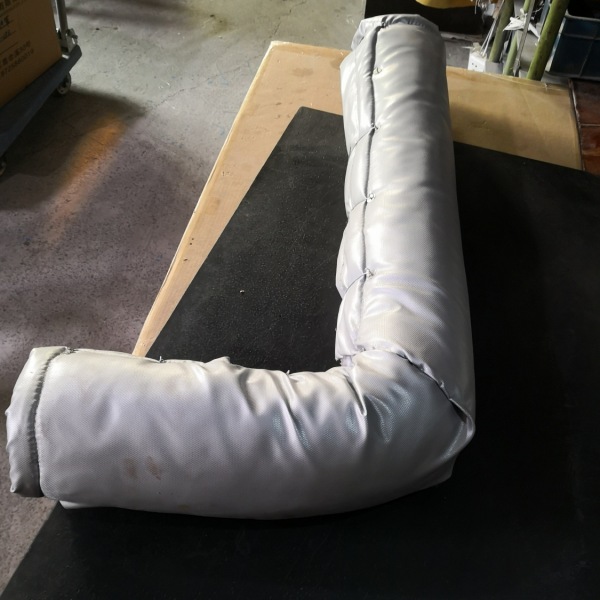
Nie każdy układ wydechowy wymaga całkowicie spersonalizowanej osłony.
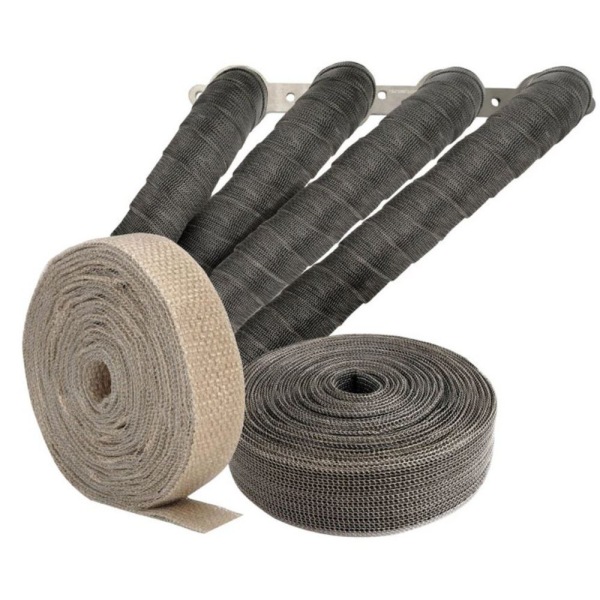
W przypadku stosunkowo prostej geometrii rury,morskie tłumienie spalinmoże zapewnić praktyczne rozwiązanie izolacyjne.
Otulina jest szczególnie przydatna do:
proste rury wydechowe;
rury o mniejszej średnicy;
ciągłe odcinki rur;
miejsca, w których skomplikowane wycięcia są zbędne.
Izolację można dostarczyć w elastycznych odcinkach i zamocować wokół rury.
W porównaniu z kształtowanym kocem, izolacja może ułatwić instalację na długich, ciągłych odcinkach rur.
Jeśli jednak rura zawiera:
kołnierze;
punkty kontrolne;
ostre zakręty;
połączenia czujników;
złącza dylatacyjne;
koc wykonany fabrycznie może być bardziej użyteczny.
Temperatura to tylko jeden z aspektów projektowania izolacji morskiej.
Statek jest eksploatowany w środowisku, w którym izolacja może napotkać:
wilgotność;
kondensacja;
mgiełka solna;
woda czyszcząca;
mgła olejowa;
zanieczyszczenie paliwa.
Z tego powodu dobór rodzaju pokrycia zewnętrznego powinien być dokonany w zależności od rzeczywistego środowiska pracy.
Rdzeń izolacji wysokotemperaturowej może mieć dobre właściwości termiczne, ale nadal wymaga ochronnej konstrukcji zewnętrznej, aby zachować integralność mechaniczną podczas eksploatacji.
Koc powinien być tak zaprojektowany, aby nie gromadziła się niepotrzebnie woda wokół elementu wydechowego.
Silniki morskie wytwarzają ciągłe wibracje.
Sam układ wydechowy może poruszać się względem otaczającego go sprzętu.
Stwarza to potencjalne problemy, jeśli izolacja:
ociera się o wsporniki;
styka się z sąsiednimi rurami;
jest zainstalowany zbyt ciasno;
ma niepodparte krawędzie;
stosuje nieodpowiednie zapięcia.
Dlatego też koc wyciągowy do zastosowań morskich musi być wykonany z czegoś więcej niż tylko materiału odpornego na ciepło.
Kompletny montaż powinien uwzględniać:
odporność termiczna + elastyczność + odporność na ścieranie + mocowanie + prześwit
To jeden z powodów, dla których niestandardowe konstrukcje koców są często lepszym rozwiązaniem niż dostosowywanie standardowych produktów izolacyjnych do skomplikowanego morskiego układu wydechowego.
Koc nigdy nie powinien być projektowany niezależnie od otaczającej go komory silnika.
Przed określeniem grubości izolacji należy sprawdzić odległość między elementem wydechowym a:
okablowanie;
węże;
układy paliwowe;
przewody hydrauliczne;
mocowania silnika;
elementy konstrukcyjne;
izolacja akustyczna;
panele serwisowe.
Dodanie grubego koca może znacząco zmienić zewnętrzną średnicę układu wydechowego.
W zatłoczonej maszynowni dostępna wolna przestrzeń może decydować o maksymalnej praktycznej grubości izolacji.
Dlatego poprawne pytanie nie brzmi:
„Jak grubą warstwę izolacji możemy wykonać?”
To jest:
„Ile izolacji możemy zainstalować, zachowując jednocześnie wymagane parametry termiczne i odstępy mechaniczne?”
Maszynownia może zawierać kilka niezależnych źródeł ciepła.
Mogą one obejmować:
kolektory wydechowe;
turbosprężarki;
rury wydechowe;
generatory;
układy hydrauliczne;
powierzchnie silnika.
Izolacja spalin może pomóc zredukować jeden z głównych czynników wpływających na całkowite obciążenie cieplne.
Może to poprawić warunki termiczne wokół wrażliwego sprzętu.
Potencjalnie chronione komponenty obejmują:
wiązki przewodów;
sprzęt elektryczny;
systemy sterowania;
węże;
czujniki;
elementy układu paliwowego.
Kolejnym czynnikiem, który należy wziąć pod uwagę, jest ochrona personelu.
Obniżenie temperatury dostępnej powierzchni odsłoniętych elementów układu wydechowego może pomóc ograniczyć ryzyko związane z przypadkowym kontaktem podczas konserwacji.
Osłona układu wydechowego pozostaje użyteczna w wybranych zastosowaniach rurowych.
Może być praktyczne, gdy:
fajka jest stosunkowo prosta;
geometria jest przeważnie rurowa;
dopuszcza się instalację stałą;
Rura nie wymaga częstego dostępu.
Zdejmowany, morski koc wydechowy staje się bardziej atrakcyjny, gdy:
komponent ma skomplikowaną geometrię;
wymagany jest dostęp konserwacyjny;
grubość izolacji musi być kontrolowana;
sekcja wydechowa jest duża;
instalacja wymaga określonego wykończenia zewnętrznego;
Izolację należy okresowo zdejmować.
W przypadku niektórych systemów morskich możliwe jest zastosowanie obu metod.
Na przykład:
rura prosta → izolacja
złożony łokieć → zdejmowany koc
turbosprężarka → dopasowany koc
pobliski panel konstrukcyjny → odblaskowa osłona termiczna
Dzięki takiemu hybrydowemu podejściu system izolacji może być dopasowany do każdej części instalacji wydechowej.
Różne morskie układy wydechowe mają różne wymagania.
Praktyczne rozwiązanie do ogólnego zastosowania w przemyśle tekstylnym, w którym wymagana jest wysoka temperatura.
Można go używać do:
koce;
otulina;
opakowania;
osłony ochronne.
Lepszy kandydat do zastosowań w wysokich temperaturach po stronie gorącej.
Można go włączyć do:
okładziny kocowe;
opakowania;
zespoły izolacji wysokotemperaturowych.
Przydatne, gdy izolacja wymaga dodatkowej ochrony mechanicznej.
Stal nierdzewna może pełnić następujące funkcje:
oczko;
folia;
okładzina ochronna;
materiał osłony termicznej.
Przydatne w przypadku barier odblaskowych, w których ważna jest lekka konstrukcja.
Stosowane, gdy głównym celem jest ograniczenie przenikania ciepła, a nie tylko zapewnienie ochronnej powłoki tekstylnej.
Ostateczna konstrukcja może łączyć w sobie kilka z tych materiałów, zamiast opierać się na jednym.
Specjalnie zaprojektowany koc powinien być dostosowany do geometrii fizycznej elementu układu wydechowego.
Ważne wymiary obejmują:
Średnica zewnętrzna rury
Określa podstawowy obwód osłony rurowej.
Długość izolowana
Określa, jaka część układu wydechowego wymaga pokrycia.
Promień gięcia
Ważne dla łokci i zakrzywionych odcinków.
Wymiary kołnierza
Wymagane do zapewnienia dostępu do śrub i połączeń.
Wystające elementy
Należy uwzględnić czujniki, wsporniki, siłowniki i inne elementy wystające.
Dostępny prześwit
Koc musi zmieścić się w otaczającej go przestrzeni maszynowni.
Miejsce mocowania
Elementy złączne powinny pozostać dostępne po montażu.
W przypadku skomplikowanych montaży pomocne mogą okazać się fotografie i rysunki ułatwiające opracowanie wzoru koca.
Przydatne zapytanie ofertowe powinno zawierać więcej niż:
„Koc wydechowy do łodzi, wysoka temperatura”.
Jeśli to możliwe, podaj poniższe informacje.
typ komponentu układu wydechowego;
średnica rury;
wymiary całkowite;
temperatura pracy;
maksymalna temperatura.
typ statku lub sprzętu;
model silnika, jeśli dotyczy;
montaż wewnątrz lub na zewnątrz;
dostępny prześwit.
narażenie na działanie soli;
wilgoć;
zanieczyszczenie olejem;
wibracja;
wymagania dotyczące czyszczenia.
stałe lub ruchome;
oczekiwana częstotliwość usuwania;
punkty dostępu do usług.
pożądana temperatura powierzchni zewnętrznej;
maksymalna grubość koca;
wymagana redukcja ciepła;
wymagania dotyczące ochrony personelu.
ilość prototypów;
wolumen roczny;
wymagany harmonogram dostaw.
Informacje te pozwalają producentowi izolacji na uzyskanie wystarczającej ilości szczegółów, aby wybrać odpowiednią konstrukcję zamiast dostarczać standardowy koc.
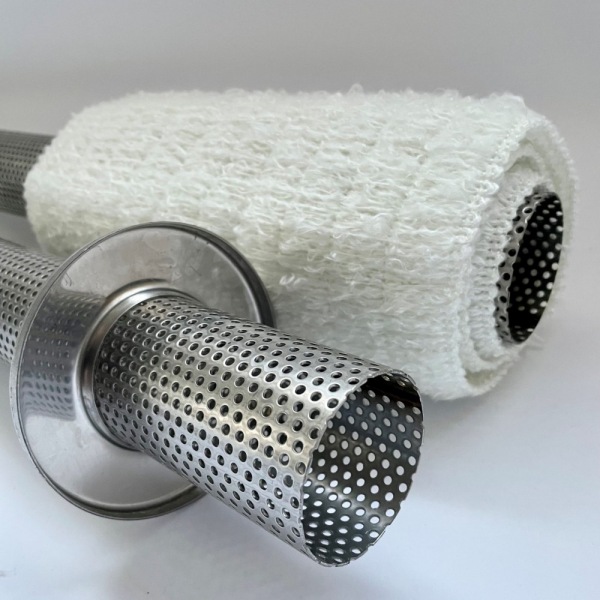
Statki komercyjne zazwyczaj kładą większy nacisk na:
trwałość;
użyteczność;
powtarzalność;
odporność na korozję;
długie godziny pracy.
System zdejmowanych koców można podzielić na łatwe do zidentyfikowania sekcje.
Na przykład:
Sekcja A — Rozmaitość
Sekcja B — Turbosprężarka
Sekcja C — Podstopnica
Sekcja D — Łokieć
Sekcja E — Rura wydechowa
Dzięki temu kontrola i wymiana stają się łatwiejsze do przeprowadzenia.
Jeśli uszkodzeniu ulegnie jedna sekcja, nie ma konieczności wymiany całego systemu izolacyjnego.
Generatory morskie stwarzają kolejne powszechne wymaganie dotyczące izolacji spalin.
Przewód wydechowy generatora może przechodzić przez:
maszynownie;
przestrzenie maszynowe;
zamknięte przedziały;
obszary przylegające do obiektów noclegowych.
Kontrola ciepła jest szczególnie ważna w miejscach, gdzie wentylacja jest ograniczona.
Wyjmowanykoc izolacyjny rury wydechowej generatoramogą być zaprojektowane wokół prostych rur, kolanek i tłumików.
Izolację można również dostosować do pobliskich tras kablowych i urządzeń.
Firma BSTFLEX zajmuje się produkcją niestandardowych rozwiązań w zakresie izolacji spalin generatorów, które można dostosować do wymaganych wymiarów i warunków pracy.
Izolacja układu wydechowego w łodzi nie powinna maskować rozwijających się problemów mechanicznych.
Podczas rutynowej konserwacji technicy powinni sprawdzić:
stan koca;
elementy mocujące;
powłoka zewnętrzna;
obszary otarć;
odsłonięte szwy;
dowody zanieczyszczenia olejem;
oznaki nieszczelności układu wydechowego.
W razie konieczności należy zdjąć izolację, aby móc sprawdzić sam element układu wydechowego.
To kolejny powód, dla którego zdejmowana konstrukcja jest cenna.
System ochrony termicznej powinien ułatwiać konserwację, a nie jej zapobiegać.
System izolacji układu wydechowego w łodzi może wymagać przeprojektowania, gdy:
pobliskie podzespoły nadal się przegrzewają;
zewnętrzna powierzchnia koca jest nadmiernie gorąca;
izolacja wielokrotnie zmienia położenie;
zapięcia się poluzowują;
tkanina ociera się o sąsiadujące elementy;
zanieczyszczenie wodą lub olejem uszkadza warstwę zewnętrzną;
technicy serwisowi muszą rozciąć izolację, aby uzyskać dostęp do wydechu;
duże fragmenty układu wydechowego pozostają odsłonięte.
Problemy te nie oznaczają koniecznie, że materiał izolacyjny sam w sobie jest nieodpowiedni.
Podstawowym problemem może być:
niewystarczająca grubość;
złe dopasowanie;
nieprawidłowa kombinacja materiałów;
nieodpowiednie zapięcie;
niewystarczający prześwit;
nieodpowiednie pokrycie zewnętrzne.
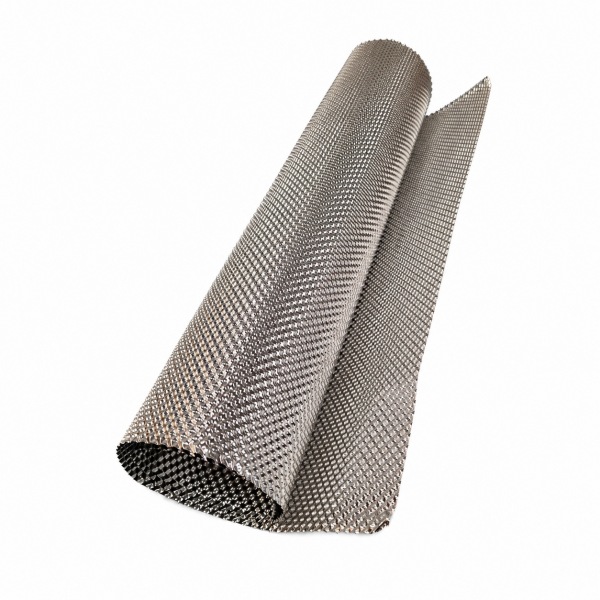
Najlepsza izolacja spalin morskich to niekoniecznie materiał o najwyższej opublikowanej klasie temperaturowej.
Aby system działał skutecznie, musi być dostosowany do rzeczywistych warunków panujących na statku.
Oznacza to rozważenie:
temperatura
geometria
luz
wibracja
wilgoć
korozja
konserwacja
ochrona mechaniczna
instalacja
Zdejmowany koc może okazać się odpowiednim rozwiązaniem w przypadku jednego elementu, natomiast elastyczna izolacja lub odblaskowa osłona termiczna sprawdzą się w przypadku innego.
Celem jest kontrola ciepła wylotowego bez tworzenia nowych problemów konserwacyjnych lub związanych z pakowaniem.
BSTFLEX zapewnia niestandardową ochronę termiczną dla morskich układów wydechowych, obejmującą:
morskie koce wyciągowe;
izolacja rury wydechowej;
izolacja pionu wydechowego;
osłony kolan wydechowych;
izolacja kolektora;
koce turbosprężarek;
izolacja wydechu generatora;
opóźnienie wydechu;
metalowe osłony termiczne.
Koce na zamówienie mogą być wykonane zgodnie z:
wymiary komponentów;
rysunki;
fotografie;
temperatura pracy;
wymagana grubość izolacji;
odstęp instalacyjny;
wymagania dotyczące mocowania.
Konstrukcję można dobrać w zależności od zastosowania, wykorzystując kombinację tkanin wysokotemperaturowych, rdzeni izolacyjnych, elementów ze stali nierdzewnej i ochronnych materiałów zewnętrznych.
W przypadku zastosowań morskich wymagających zdejmowanej izolacji koc można podzielić na sekcje, aby zapewnić dostęp do najważniejszych przyłączy wydechowych podczas konserwacji.
Jeśli szukasz izolacji do układu wydechowego statku, wyślij do BSTFLEX:
wymiary rury wydechowej lub jej podzespołu;
temperatura pracy;
fotografie lub rysunki;
wymagane obszary izolowane;
dostępny prześwit;
środowisko operacyjne na morzu;
oczekiwana ilość.
BSTFLEX może następnie zalecić odpowiednią kombinacjęmorskie koce wydechowe, otuliny rur, izolacja wydechu i osłony termicznedla konkretnej instalacji.

No.10, Chuangxin North Road, Nanshan Park, Ningguo Economic and Technological Development Zone, Ningguo City, Anhui Province, China
tel/Whatsapp : 0086-15856303740
e-mail : sales@bstbraidedsleeve.com
Skype : vanesa-cheng