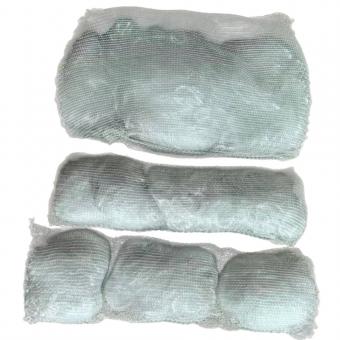
czego szukasz?

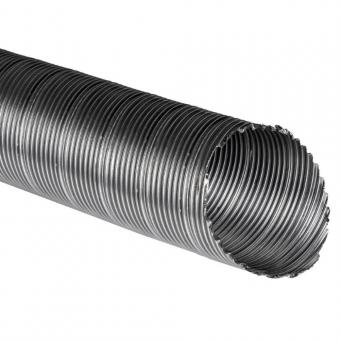
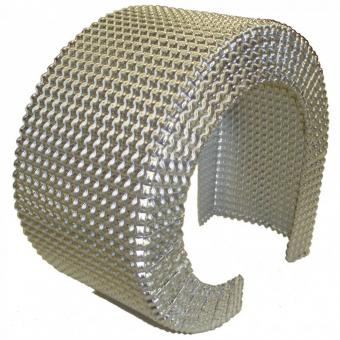
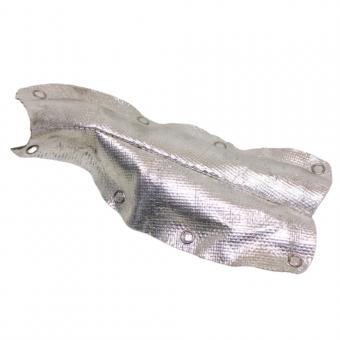
An koc izolacyjny układu wydechowego to zdejmowana bariera termiczna zaprojektowana do dopasowania wokół gorących elementów układu wydechowego i ograniczenia ilości ciepła uwalnianego do otoczenia.
W przeciwieństwie do sztywnych metalowych osłon, koce wydechowe ściśle dopasowują się do skomplikowanych kształtów, takich jak kolektory, obudowy turbosprężarek, rury dolotowe, kolanka, tłumiki i przewody wydechowe. Dzięki temu szczególnie nadają się do zastosowań, w których powierzchnie o wysokiej temperaturze muszą być izolowane bez trwałej modyfikacji układu wydechowego.
BSTFLEX produkuje niestandardowe koce wydechowe do zastosowań w motoryzacji, silnikach Diesla, generatorach, jednostkach morskich, ciężkim sprzęcie i przemysłowych układach wydechowych.
Nasze koce termiczne do układów wydechowych mogą być projektowane na podstawie rysunków, danych wymiarowych, geometrii CAD lub fizycznych próbek i mogą być produkowane z różnymi materiałami zewnętrznymi, rdzeniami izolacyjnymi, warstwami wewnętrznymi oraz systemami mocowania zgodnie z temperaturą pracy i środowiskiem montażu.
Aby zapoznać się z kompletnymi produktami do zarządzania temperaturą układu wydechowego, zobacz serię BSTFLEX Izolacja osłony termicznej układu wydechowego.
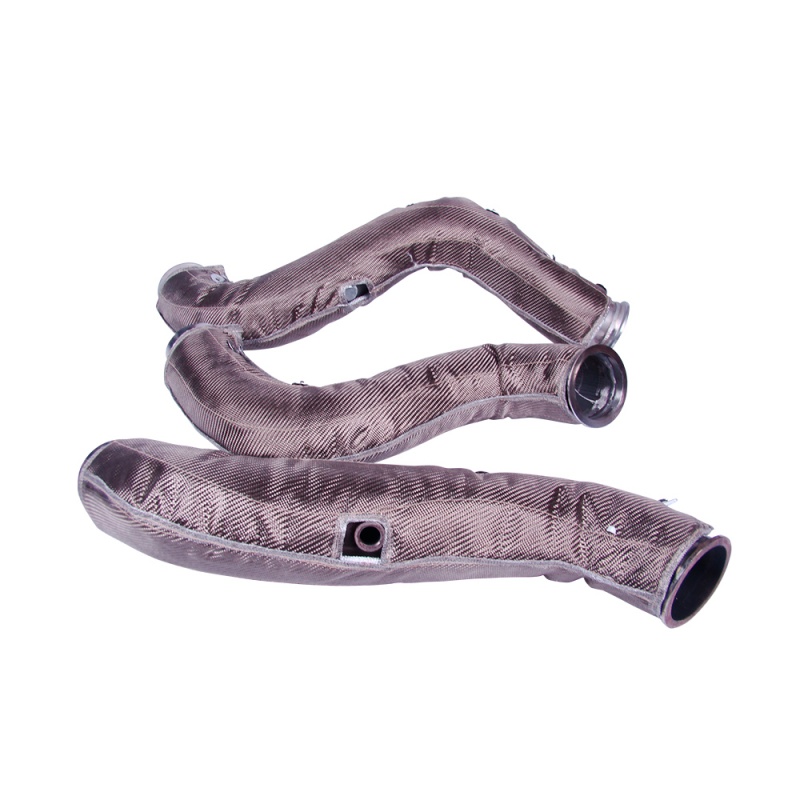
Koc izolacyjny układu wydechowego to elastyczny, wielowarstwowy zespół izolacji termicznej produkowany w celu bezpośredniego dopasowania wokół gorącego elementu układu wydechowego.
Typowa konstrukcja może zawierać trzy funkcjonalne warstwy:
Warstwa zewnętrzna chroni system izolacji przed ścieraniem, wibracjami, zanieczyszczeniem olejem, wilgocią i obsługą mechaniczną.
W zależności od zastosowania typowe materiały zewnętrzne mogą obejmować:
tkaninę z włókna szklanego odpornego na wysoką temperaturę;
tkaninę z włókna szklanego powlekaną silikonem;
tkaninę krzemionkową;
tkaninę bazaltową;
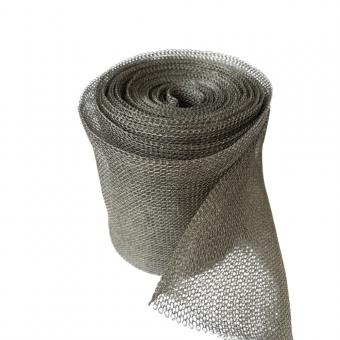
siatkę ze stali nierdzewnej;
folię metalową lub inne wzmocnione konstrukcje.
Rdzeń izolacyjny zapewnia główną odporność na przewodzenie ciepła.
Dobór materiału zależy od:
temperatury pracy;
wymaganego obniżenia temperatury powierzchni;
dopuszczalnej grubości koca;
prześwitu montażowego;
wibracji;
środowiska pracy.
Różne gęstości i grubości izolacji mogą być stosowane w zależności od wymaganego celu termicznego.
Wewnętrzna powierzchnia jest skierowana w stronę elementu układu wydechowego.
Musi wytrzymywać bezpośrednie działanie gorącej powierzchni układu wydechowego oraz powtarzające się cykle termiczne.
W zależności od konstrukcji może wykorzystywać:
tekstylia odporne na wysoką temperaturę;
siatkę ze stali nierdzewnej;
tkanina wysokotemperaturowa;
folia metaliczna;
wzmocniona konstrukcja kompozytowa.
Warstwy te są zszywane, mocowane lub mechanicznie łączone w ukształtowany koc zaprojektowany zgodnie z rzeczywistą geometrią układu wydechowego.
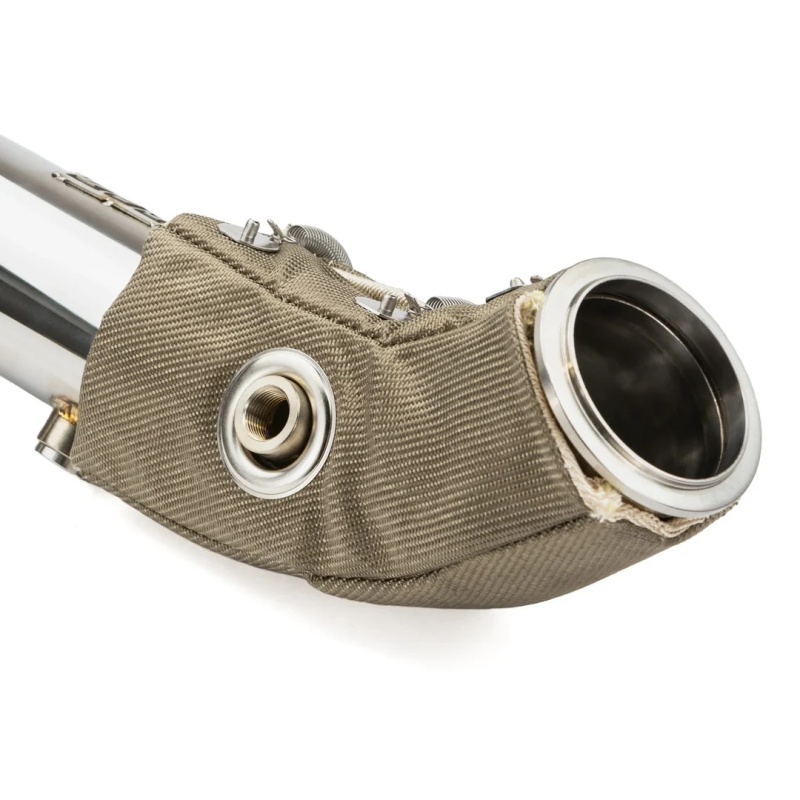
Głównym celem stosowania koca na układ wydechowy jest zatrzymywanie ciepła w pobliżu elementu układu wydechowego.
Może to zapewnić kilka praktycznych korzyści.
Kolektory wydechowe, turbosprężarki i rury wydechowe mogą emitować znaczne ilości ciepła do komory silnika lub obudowy urządzenia.
Dobrze dopasowany koc izolacyjny zmniejsza bezpośrednie promieniowanie cieplne docierające do pobliskich elementów.
Zewnętrzna powierzchnia izolowanego elementu układu wydechowego może być znacznie chłodniejsza niż nieosłonięta powierzchnia układu wydechowego.
Jest to szczególnie ważne w:
pomieszczeniach generatorów;
komorach silników morskich;
maszynach przemysłowych;
ciężkim sprzęcie;
zamkniętych układach silnikowych;
obszarach dostępu serwisowego.
Pobliskie elementy mogą obejmować:
wiązki przewodów;
przewody elastyczne;
przewody paliwowe;
przewody hydrauliczne;
czujniki;
panele nadwozia;
części plastikowe;
akumulatory;
elektroniczne jednostki sterujące.
Zmniejszenie narażenia na promieniowanie cieplne może poprawić środowisko termiczne wokół tych elementów.
Utrzymywanie ciepła spalin bliżej strumienia spalin może zmniejszyć nagromadzenie ciepła w otaczającej komorze silnika.
Jest to szczególnie ważne tam, gdzie przepływ powietrza jest ograniczony.
Jedną z głównych zalet zdejmowanego koca na układ wydechowy jest możliwość łatwego serwisowania.
Koc z wykorzystaniem haków, sprężyn, sznurowania drutem lub innych zdejmowanych systemów mocowania można zdjąć do kontroli i ponownie zamontować po konserwacji.
Często jest to lepsze rozwiązanie niż trwałe owijanie elementu układu wydechowego.
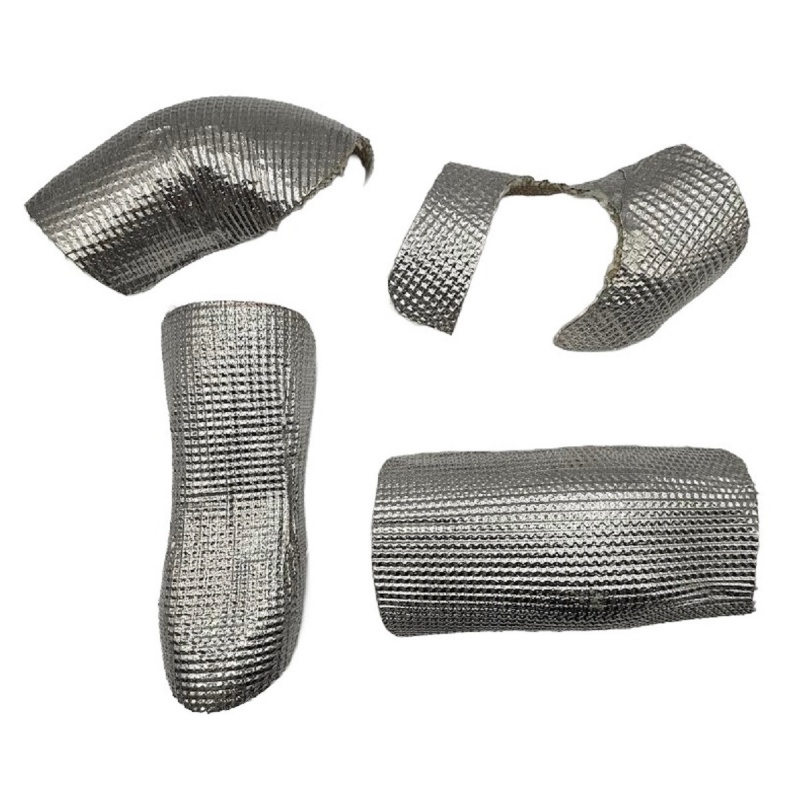
Koc izolacyjny układu wydechowego i metalowa osłona termiczna układu wydechowego nie pełnią dokładnie tej samej funkcji.
| Cecha | Koc izolacyjny układu wydechowego | Metalowa osłona termiczna układu wydechowego |
|---|---|---|
| Główna funkcja | Zatrzymywanie i izolowanie ciepła | Odbijanie i blokowanie promieniowania cieplnego |
| Montaż | Bezpośrednio wokół elementu | Zwykle oddzielona szczeliną powietrzną |
| Elastyczność | Wysoka | Niska |
| Złożona geometria | Doskonała | Wymaga formowania |
| Możliwość demontażu | Doskonała | Dobra |
| Niestandardowy prototyp | Łatwy do opracowania | Wymaga oprzyrządowania do formowania lub wykonania |
| Izolacja rur | Doskonała | Zależna od zastosowania |
| Izolacja kolektora | Doskonała | Dobra |
| Fabryczna osłona podwozia | Ograniczona | Doskonała |
| Grubość | Zwykle większa | Zwykle mniejsza |
W wielu układach wydechowych obie technologie mogą być stosowane razem.
Turbosprężarka może wykorzystywać koc izolacyjny, podczas gdy podłoga pojazdu nad nią wykorzystuje formowaną osłonę termiczną ze stali nierdzewnej lub aluminium.
Taśma wydechowa jest owijana wokół rury lub kolektora w zachodzących na siebie warstwach.
Koc izolacyjny układu wydechowego jest produkowany jako ukształtowany element i montowany wokół określonej geometrii.
Najlepiej sprawdza się w przypadku:
ciągłych przewodów wydechowych;
kolektorów;
prostych zagięć;
zastosowań na rynku części zamiennych;
zastosowań, w których dopuszczalne jest trwałe owinięcie.
Najlepiej sprawdza się w przypadku:
turbosprężarek;
kolektorów;
kolan;
tłumików;
dużych rur wydechowych;
generatorów;
silników morskich;
urządzeń przemysłowych;
elementów wymagających regularnej konserwacji.
Koc jest zwykle preferowanym rozwiązaniem, gdy izolacja musi być wielokrotnie usuwana bez niszczenia systemu izolacyjnego.
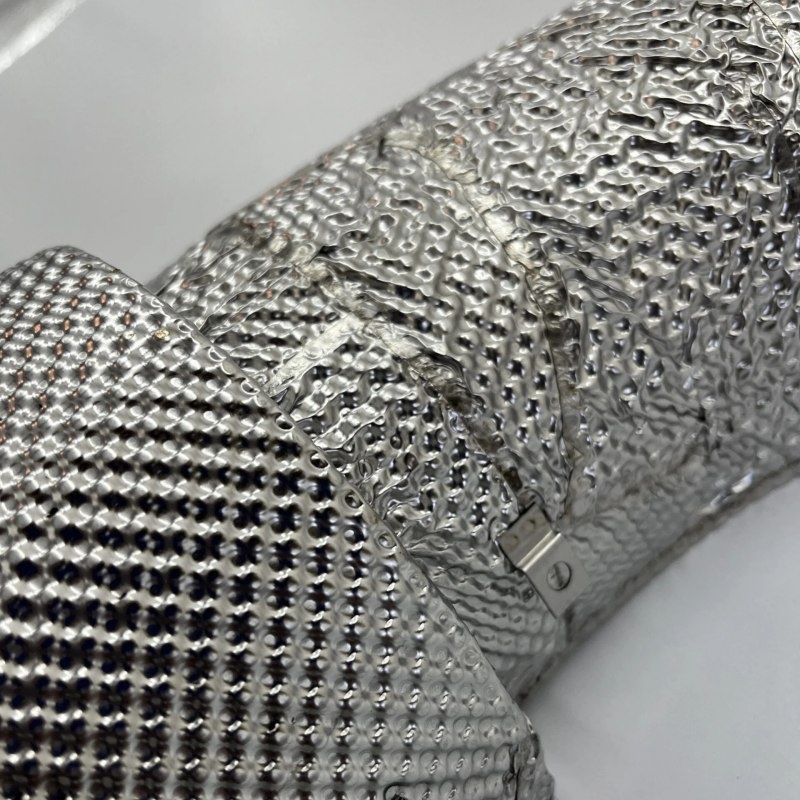
Odporność temperaturowa koca wydechowego zależy od całego zespołu, a nie od pojedynczego materiału.
Ważne czynniki obejmują:
tkaninę po stronie gorącej;
rdzeń izolacyjny;
zewnętrzną tkaninę;
nić do szycia;
elementy mocujące;
grubość koca;
ruch powietrza;
temperaturę powierzchni wydechu;
czas ekspozycji.
Konstrukcje z włókna szklanego są szeroko stosowane do izolacji wydechów o umiarkowanych i wysokich temperaturach.
Zapewniają:
dobrą elastyczność;
praktyczny koszt produkcji;
szeroką dostępność;
dużą przydatność do niestandardowych kształtów.
Są one powszechnie stosowane w rurach wydechowych, układach generatorów i przemysłowych elementach wydechowych.
Materiały o wysokiej zawartości krzemionki są preferowane tam, gdzie wymagana jest większa odporność temperaturowa.
Są one często stosowane wokół:
kolektorów;
turbosprężarek;
wysokowydajnych układów wydechowych silników wysokoprężnych;
przemysłowych układów wydechowych.
Tekstylia na bazie bazaltu łączą odporność na wysoką temperaturę z elastycznością mechaniczną.
Są one powszechnie stosowane w izolacji układów wydechowych samochodów i pojazdów o wysokich osiągach.
Folia ze stali nierdzewnej, siatka lub inne metalowe warstwy mogą być stosowane tam, gdzie wymagana jest dodatkowa:
odporność na ścieranie;
odporność na olej;
wytrzymałość mechaniczna;
kontrola promieniowania cieplnego
jest wymagana.
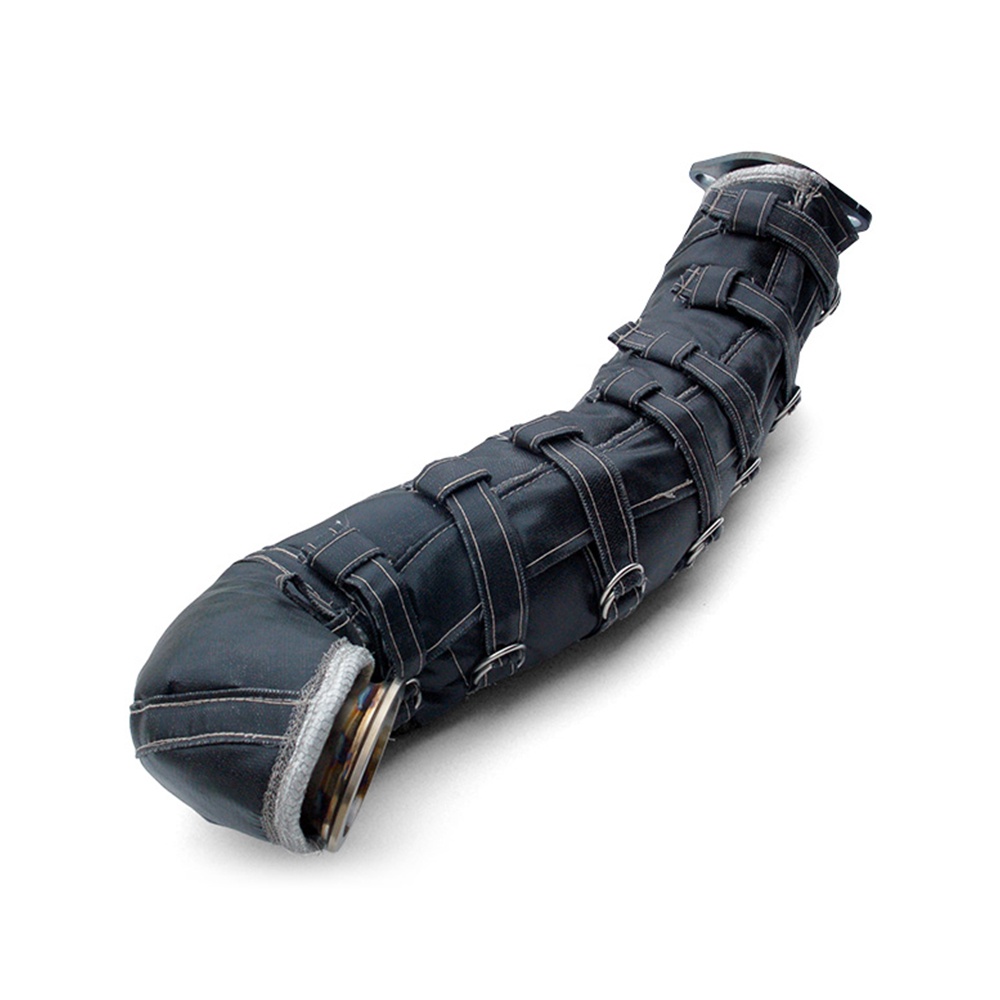
Standardowa prostokątna izolacja nie działa skutecznie w przypadku złożonej geometrii układu wydechowego.
niestandardowa mata wydechowapowinna dokładnie przylegać do elementu, jednocześnie umożliwiając praktyczny montaż i demontaż.
BSTFLEX może produkować niestandardowe maty dla:
kolektorów wydechowych;
turbosprężarek;
rur wydechowych;
rur spustowych;
kolanek;
elastycznych odcinków;
katalizatorów;
obudów DPF;
tłumików;
wyciszaczy;
morskich pionów wydechowych;
układów wydechowych generatorów.
Opracowanie niestandardowego rozwiązania może rozpocząć się od:
rysunków technicznych;
plików CAD;
szkiców wymiarowych;
zdjęcia;
szablony;
próbki fizyczne.
Metoda mocowania jest ważną częścią projektu koca izolacyjnego wydechu.
Opcje mogą obejmować:
haczyki i sprężyny;
sznurowanie z drutu ze stali nierdzewnej;
klamry;
paski;
zatrzaski;
niestandardowe metalowe elementy montażowe;
wszyte punkty mocowania.
System mocowania powinien wytrzymywać wibracje i cykle termiczne, umożliwiając jednocześnie wygodny demontaż.
An koc izolacyjny rury wydechowej jest przeznaczony do prostych odcinków rur, kołnierzy, kolan i większych przewodów wydechowych.
W przeciwieństwie do owijki wydechowej, zdejmowane koce na rury mogą być segmentowane.
Dzięki temu nadają się do:
przewodów wydechowych generatorów;
rur wydechowych silników Diesla;
systemów silników morskich;
przemysłowych instalacji rurowych wydechu;
maszyn stacjonarnych.
Poszczególne sekcje można usuwać podczas inspekcji bez naruszania całego systemu izolacji.
Kolektory wydechowe generują skoncentrowane ciepło w pobliżu silnika.
Dopasowany koc na kolektor może pomóc zmniejszyć przenoszenie ciepła w kierunku:
przewodów;
węży;
układów dolotowych;
obszarów ściany grodziowej;
osłon silnika;
elementów elektrycznych.
BSTFLEX produkuje profilowaną izolację kolektorów, w tym takie produkty jak koc izolacyjny kolektora tytanowego oraz koc izolacyjny kolektora turbosprężarki.
Turbosprężarki pracują w niezwykle skoncentrowanej strefie wysokiej temperatury.
Koc izolacyjny turbosprężarki jest zaprojektowany tak, aby pasować wokół obudowy turbiny, jednocześnie unikając kolizji z:
elementami siłownika;
przewodami olejowymi;
przewodami chłodziwa;
kołnierzami;
elementami montażowymi.
Projekt koca turbosprężarki musi uwzględniać zarówno wydajność cieplną, jak i dokładne dopasowanie.
Kolanka są trudne do izolowania przy użyciu płaskich materiałów, ponieważ izolacja musi dopasować się do zakrzywionego trójwymiarowego kształtu.
Uformowany koc poprawia pokrycie i zmniejsza otwarte szczeliny wokół zagięcia.
BSTFLEX dostarcza koc izolacyjny termiczny kolanka do tego typu zastosowania.
Rury dolotowe za turbosprężarką mogą być umieszczone blisko elementów przekładni, okablowania i otaczających struktur nadwozia.
Niestandardowy koc termiczny rury dolotowej może zapewnić miejscowe ograniczenie ciepła, pozostając jednocześnie zdejmowalnym.
Silniki wysokoprężne są powszechnie stosowane w:
ciężarówkach;
autobusach;
sprzęcie rolniczym;
maszynach budowlanych;
generatorach;
jednostkach pływających;
przemysłowych systemach zasilania.
koc izolacyjny układu wydechowego silnika wysokoprężnego może być stosowany wokół:
kolektorów;
turbosprężarek;
rur wydechowych;
tłumików;
kolanek;
obudów DPF.
Ponieważ silniki te często pracują przez długie okresy, trwałość izolacji i niezawodność mocowania mają kluczowe znaczenie.
Systemy generatorów często działają wewnątrz zamkniętych obudów.
Ciepło emitowane przez elementy układu wydechowego może znacznie zwiększyć wewnętrzną temperaturę obudowy.
System izolacji wydechu generatora może obejmować osłony dla:
kolektorów;
turbosprężarek;
rur wydechowych;
elastycznych łączników;
tłumików;
kolan.
Konstrukcja zdejmowanej osłony jest szczególnie odpowiednia dla producentów OEM generatorów, ponieważ układ wydechowy często wymaga okresowej obsługi serwisowej.
Przedziały silnikowe jednostek morskich mają ograniczoną przestrzeń i zawierają wiele systemów wrażliwych na ciepło.
A osłona wydechu morskiego może być zaprojektowana dla:
kolektorów wydechowych silników Diesla;
turbosprężarek;
pionów wydechowych;
suchych przewodów wydechowych;
wydechu generatora;
tłumików morskich;
kolan wydechowych.
Zewnętrzna konstrukcja powinna również uwzględniać wilgoć, wibracje i środowisko pracy jednostki morskiej.
Tłumiki mogą generować znaczną temperaturę zewnętrznej powierzchni.
Osłona tłumika wydechowego może być stosowana, gdy tłumik jest zainstalowany w pobliżu:
podłóg pojazdów;
paneli urządzeń;
obszarów operatora;
okablowania;
układów paliwowych.
W przypadku zastosowań wymagających wewnętrznego wypełnienia akustycznego zamiast zewnętrznej izolacji termicznej zobacz ofertę produktów BSTFLEX Muffler Packing.
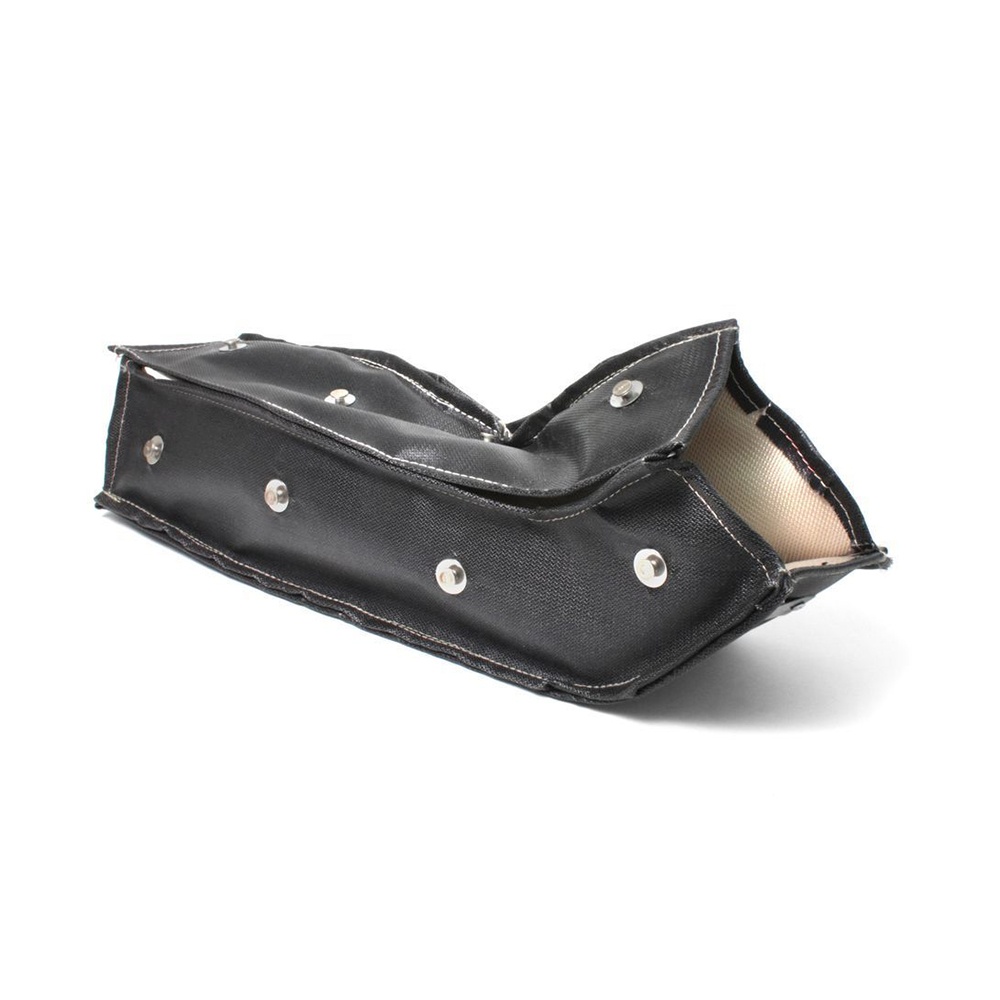
Aby uzyskać dokładną wycenę i projekt, należy podać jak najwięcej informacji dotyczących zastosowania.
Podaj:
średnicę zewnętrzną;
całkowitą długość;
kąty gięcia;
wymiary kołnierzy;
uchwyty montażowe;
położenia czujników;
połączenia rurowe.
Należy podać oba:
normalną temperaturę ciągłą;
maksymalną oczekiwaną temperaturę.
Grubość powinna być określona na podstawie:
wymaganego ograniczenia przepływu ciepła;
dostępnej przestrzeni montażowej;
konstrukcji koca.
Jeśli wymagany jest określony docelowy poziom temperatury powierzchni, należy podać wartość docelową i warunki pracy.
Należy określić, czy koc będzie narażony na:
olej;
paliwo;
wodę;
mgłę solną;
ścieranie;
wibracje;
warunki pogodowe na zewnątrz;
częstą konserwację.
Należy określić:
ilość prototypową;
ilość roczną;
wielkość partii.
Umożliwia to optymalizację metody produkcji i konfiguracji materiałowej pod kątem projektu.
Skuteczny koc wydechowy wymaga czegoś więcej niż tylko zwiększenia grubości izolacji.
Ważne czynniki projektowe obejmują:
Duże szczeliny powietrzne między kocem a elementem mogą zmieniać właściwości cieplne i powodować problemy podczas montażu.
Szwy powinny być umieszczone z dala od stref o najwyższej temperaturze, jeśli to możliwe.
Porty czujników, wsporniki, kołnierze i połączenia rurowe muszą być dokładnie rozmieszczone.
Elementy złączne i metalowe komponenty mogą przewodzić ciepło przez system izolacji.
Ich rozmieszczenie należy zatem uwzględnić podczas projektowania.
Osłony stosowane na silnikach muszą wytrzymywać powtarzające się wibracje bez nadmiernego przemieszczania się lub ścierania.
Osłona powinna być możliwa do zdjęcia bez uszkadzania pobliskich komponentów.
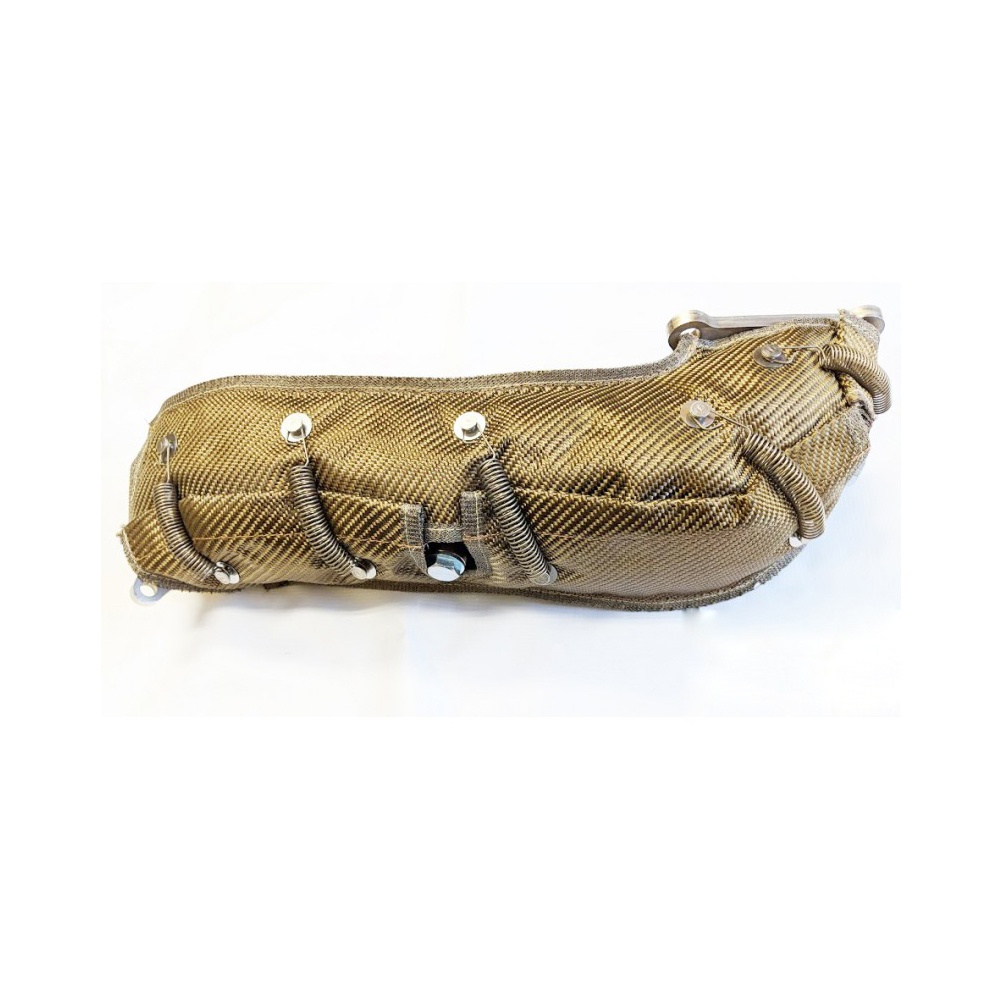
Osłony termiczne wydechu BSTFLEX mogą być stosowane w:
kolektory wydechowe;
turbosprężarki;
rury spustowe;
tłumiki;
wydajne układy wydechowe.
rury wydechowe silników Diesla;
turbosprężarki;
układy oczyszczania spalin;
komory silnika.
kolektory wydechowe;
turbosprężarki;
przewody wydechowe;
tłumiki.
suche układy wydechowe;
morskie silniki Diesla;
piony wydechowe;
układy wydechowe generatorów.
maszyny budowlane;
sprzęt górniczy;
maszyny rolnicze;
urządzenia do transportu materiałów.
silniki stacjonarne;
rurociągi procesowych układów wydechowych;
kanały wysokotemperaturowe;
tłumiki wydechu.
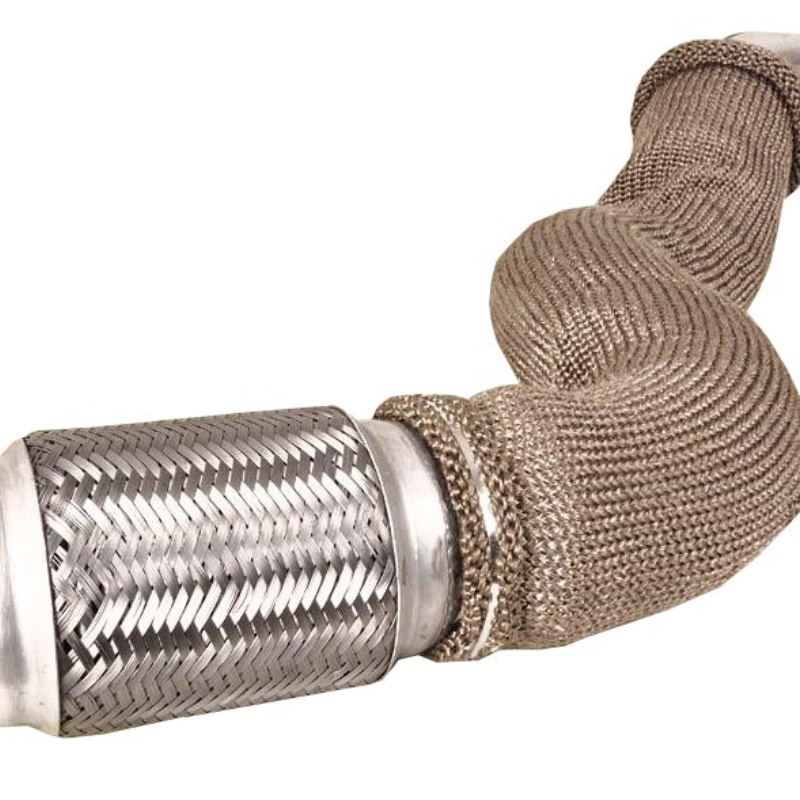
| Zastosowanie | Zalecany typ koca |
|---|---|
| Turbosprężarka | Formowany koc izolacyjny do turbosprężarki |
| Kolektor wydechowy | Indywidualny koc na kolektor |
| Prosta rura wydechowa | Zdejmowany koc izolacyjny na rurę |
| Kolano wydechowe | Formowany koc na kolano |
| Rura spustowa turbosprężarki | Formowany koc na rurę spustową |
| Wydech generatora | Segmentowy zdejmowany koc izolacyjny |
| Wydech morski | Odporny na wilgoć zdejmowany koc |
| Tłumik | Wielkoformatowy koc izolacyjny lub metalowa osłona termiczna |
| Silnik Diesla | Koc odporny na wysoką temperaturę i drgania |
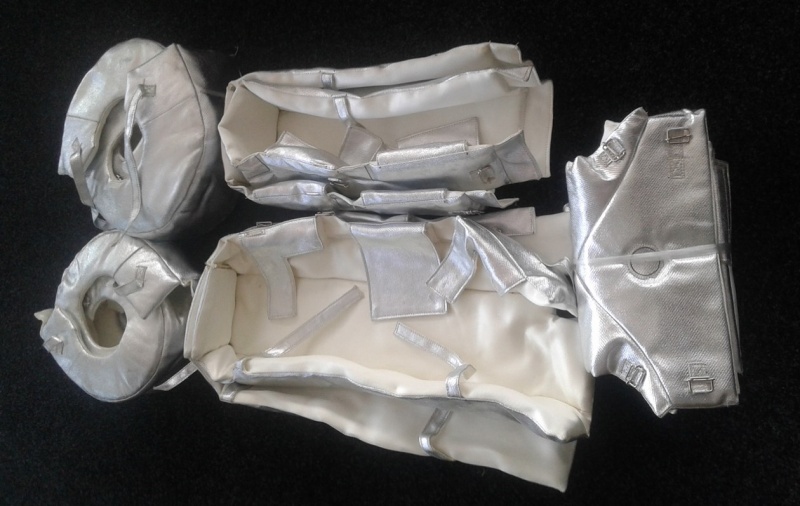
Koc izolacyjny wydechu to elastyczna wielowarstwowa bariera termiczna montowana wokół elementu wydechu w celu ograniczenia zewnętrznego przenoszenia ciepła i temperatury powierzchni.
Konstrukcja zależy od temperatury i środowiska pracy. Typowe materiały obejmują włókno szklane, krzemionkę, bazalt, siatkę ze stali nierdzewnej oraz wysokotemperaturowe rdzenie izolacyjne.
Większość niestandardowych koców wydechu można zaprojektować z systemami zdejmowanego mocowania, takimi jak haki i sprężyny, sznurowanie drutem lub paski.
Tak. Niestandardowe koce mogą być produkowane dla kolektorów, turbosprężarek, kolan, tłumików, kołnierzy i innych złożonych elementów wydechu.
Tak. Są szeroko stosowane na kolektorach silników Diesla, turbosprężarkach, rurach wydechowych, generatorach, silnikach morskich i ciężkim sprzęcie.
Tak. Opracowanie może opierać się na rysunkach, plikach CAD, wymiarach, fotografiach lub fizycznych próbkach.
Nie. Taśma wydechowa jest nawijana bezpośrednio wokół rur, natomiast koc jest produkowany jako zdejmowany, formowany element izolacyjny.
Tak. Grubość koca można dobrać zgodnie z temperaturą pracy, dostępną przestrzenią i wymaganą wydajnością termiczną.
BSTFLEX produkuje wysokotemperaturowe produkty izolacyjne do układów wydechowych dla producentów OEM, dostawców układów wydechowych, producentów silników, dystrybutorów i producentów urządzeń przemysłowych.
Nasze możliwości obejmują:
niestandardową geometrię;
opracowywanie prototypów;
różne grubości izolacji;
wiele materiałów zewnętrznych;
niestandardowe systemy mocowania;
opracowywanie na podstawie próbek;
produkcję na podstawie rysunków;
ilości produkcyjne;
opakowania pod marką własną i OEM.
W przypadku zastosowań wymagających pełnego połączenia osłon, metalowych ekranów, izolacji rur i barier promieniowania, odwiedź kategorię produktów BSTFLEX Izolacja osłon termicznych układu wydechowego.
W celu uzyskania wyceny należy podać wymiary komponentów lub rysunki, temperaturę pracy, środowisko zastosowania, wymaganą ilość oraz ewentualny wymagany docelowy poziom temperatury powierzchni zewnętrznej.
Poproś o wycenę niestandardowego koca izolacyjnego układu wydechowego zaprojektowanego dla Twojego układu wydechowego.

No.10, Chuangxin North Road, Nanshan Park, Ningguo Economic and Technological Development Zone, Ningguo City, Anhui Province, China
tel/Whatsapp : 0086-15856303740
e-mail : sales@bstbraidedsleeve.com
Skype : vanesa-cheng