czego szukasz?
Gorąca rura wydechowa może stwarzać znacznie większe problemy termiczne, niż sugeruje jej średnica.
W pojeździe, obudowie generatora, maszynowni okrętowej lub maszynie przemysłowej, rura może przebiegać zaledwie kilka centymetrów od przewodów elektrycznych, przewodów hydraulicznych, przewodów paliwowych, paneli nadwozia, czujników lub obszarów serwisowych. Gdy układ wydechowy osiągnie temperaturę roboczą, ten niewielki prześwit może stać się punktem krytycznym w całym projekcie termicznym.
To jest miejsceizolacja rury wydechowejstaje się konieczne.
Prawidłowy system izolacji nie tylko chroni gorącą rurę. Musi kontrolować ciepło, jednocześnie będąc odpornym na drgania, powtarzające się cykle termiczne, zanieczyszczenia, ruch i konserwację.
Z tego powodu dobór izolacji wyłącznie na podstawie klasy temperaturowej rzadko jest wystarczający.
BSTFLEX rozwija sięizolacja osłony termicznej wydechudo układów wydechowych w pojazdach samochodowych, silnikach Diesla, okrętach, generatorach i przemyśle, w tym zdejmowane osłony rur, izolacje, osłony termiczne, elastyczne tuleje i metalowe bariery termiczne.
Przed wyborem materiału izolacyjnego należy określić, jaki problem chce się rozwiązać.
Rura wydechowa może wymagać izolacji, ponieważ:
pobliska wiązka przewodów przegrzewa się;
temperatura w obudowie jest zbyt wysoka;
operatorzy są narażeni na działanie gorących powierzchni;
ciepło dociera do przewodu paliwowego lub hydraulicznego;
podłoga pojazdu jest narażona na nadmierne promieniowanie cieplne;
maszynownia ma niewystarczającą wentylację;
rura wydechowa musi zatrzymywać więcej ciepła w dalszej części strumienia;
Okoliczne urządzenia nie tolerują obecnej temperatury.
To są różne problemy.
Mogą wymagać różnych systemów izolacyjnych, nawet jeśli temperatura rury wydechowej jest taka sama.
Na przykład, ochrona podłogi pojazdu przed promieniowaniem cieplnym może wymagać zastosowania osłony odblaskowej, natomiast obniżenie temperatury zewnętrznej powierzchni rury wydechowej generatora może wymagać zastosowania grubego, zdejmowanego koca izolacyjnego.
Izolację rur wydechowych można ogólnie podzielić na cztery praktyczne kategorie.
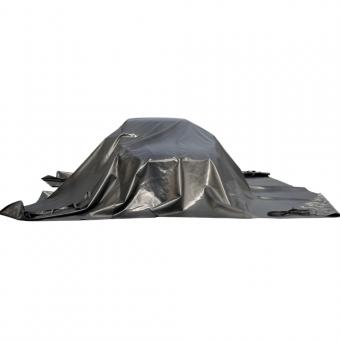
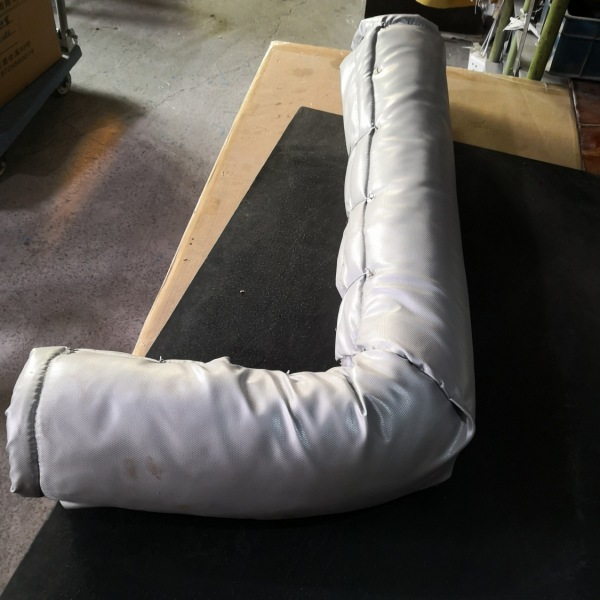
Do określonej średnicy rury lub geometrii układu wydechowego wykonuje się zdejmowaną osłonę.
Zwykle zawiera:
wewnętrzna warstwa odporna na ciepło;
izolacja termiczna;
zewnętrzna warstwa ochronna;
mocowanie mechaniczne.
Konstrukcja ta jest szczególnie przydatna, gdy dostęp wymaga konserwacji.
Typowe instalacje obejmują:
generatory diesla;
silniki morskie;
silniki przemysłowe;
duże rury wydechowe;
tłumiki;
kolanka wydechowe.
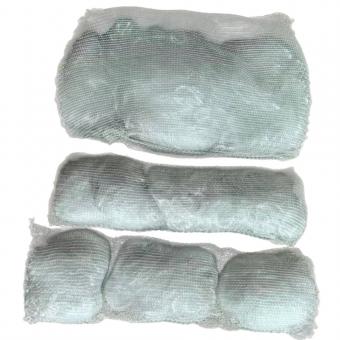
Koc może zostać wyprodukowany w postaci kilku sekcji, a nie jednego długiego kawałka, co pozwala technikom na wymontowanie tylko tej części, która jest potrzebna do przeprowadzenia kontroli.
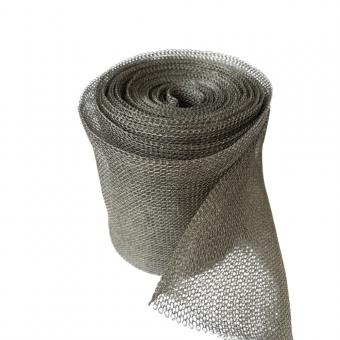
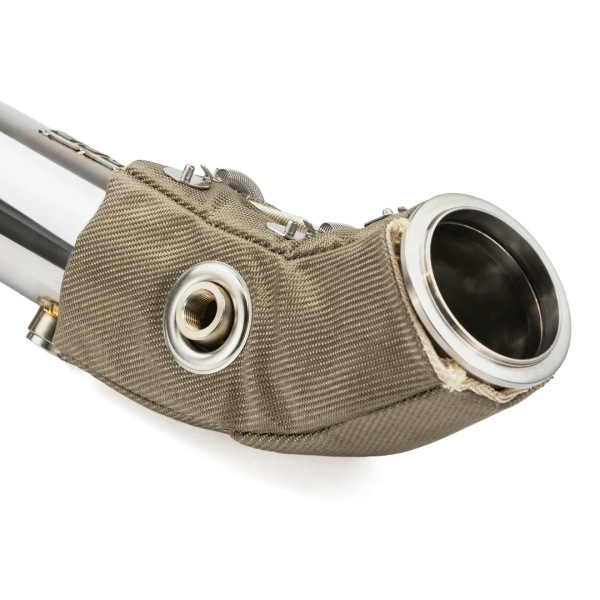
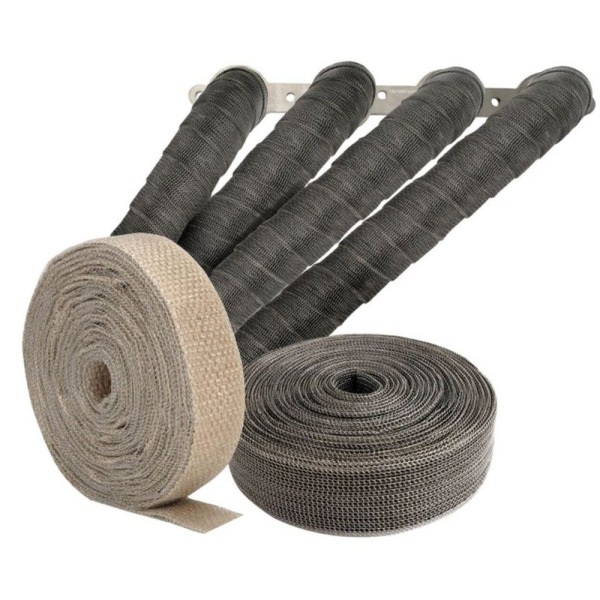
Osłona układu wydechowego dostarczana jest w rolkach i spiralnie nawijana wokół rury.
Jest szeroko stosowany do:
nagłówki samochodowe;
motocykle;
układy wydechowe o wysokiej wydajności;
rury wydechowe o małej średnicy;
produkcja niestandardowych układów wydechowych.
BSTFLEX dostarczaOwijka termiczna układu wydechowego i kolektoraw różnych konstrukcjach włókien wysokotemperaturowych.
Owijka stanowi prosty sposób izolowania długich powierzchni rurowych, jednak jest mniej wygodna, gdy układ wydechowy trzeba regularnie otwierać w celu serwisowania.
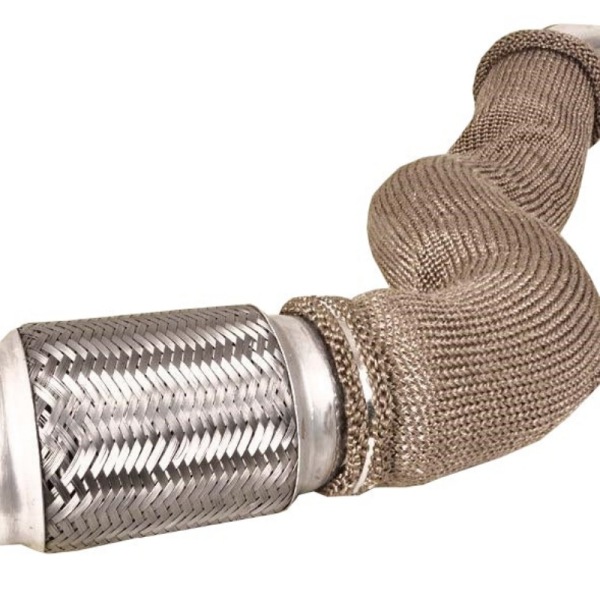
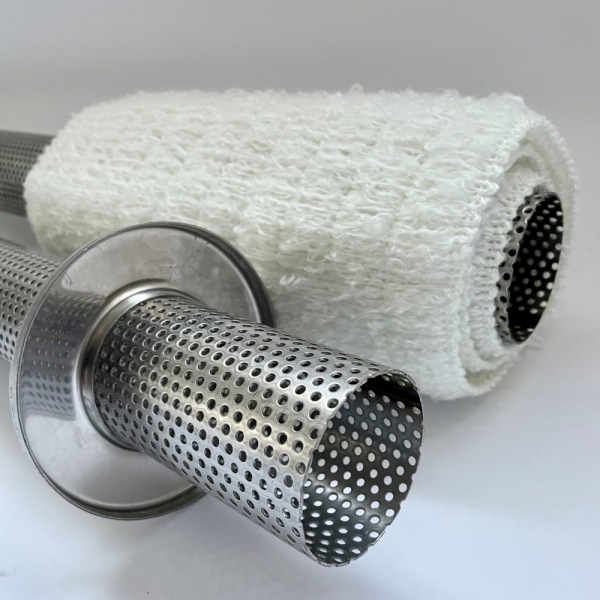
Niektóre przewody wydechowe wymagają rozwiązania w postaci tulei zamiast gotowej osłony.
Elastyczną izolację można zamontować na mniejszych rurach wydechowych, których średnica i geometria są stosunkowo proste.
Na przykład BSTFLEXIzolacja wydechu nagrzewnicy Dieslajest przeznaczony do kompaktowych przewodów wydechowych stosowanych w takich zastosowaniach jak systemy ogrzewania olejem napędowym.
Rozwiązania w postaci tulei i otuliny mogą być szczególnie przydatne w następujących sytuacjach:
przestrzeń instalacyjna jest ograniczona;
rura jest stosunkowo mała;
wymagane jest ciągłe ubezpieczenie;
sztywną osłonę trudno byłoby zamontować.
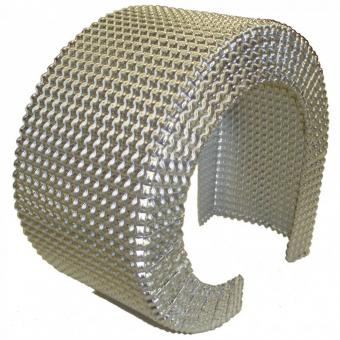
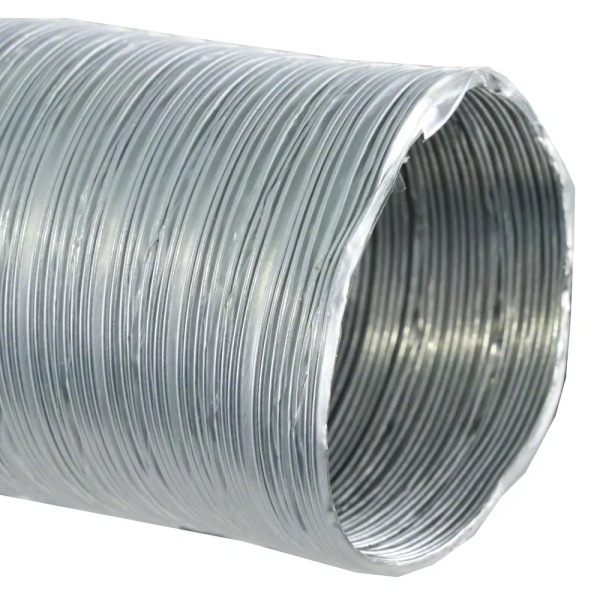
Osłona metalowa nie musi koniecznie dotykać rury.
Zamiast tego zazwyczaj instaluje się ją z kontrolowaną szczeliną między osłoną i źródłem ciepła.
Takie rozwiązanie jest szczególnie skuteczne w ograniczaniu ciepła promieniowania emitowanego w kierunku pobliskich podzespołów.
Do powszechnie stosowanych materiałów zalicza się:
aluminium;
stal nierdzewna;
tłoczona stal nierdzewna;
stopy niklu.
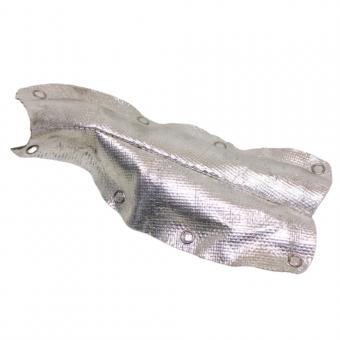
Metalowa osłona termiczna może być lepszym rozwiązaniem, gdy:
grubość instalacji musi pozostać niewielka;
ważna jest odporność na uderzenia mechaniczne;
tarcza musi zachować określony kształt;
najważniejszym problemem jest promieniowanie cieplne.
Do zastosowań w trudnych warunkach firma BSTFLEX produkuje równieżOsłona termiczna ze stopu Inconel 625komponenty.
Terminy te są często stosowane zamiennie, ale ich funkcja techniczna może być różna.
Izolacja rury wydechowejzwykle otacza rurę i ogranicza wymianę ciepła przez warstwę izolacyjną.
Jakiśosłona termiczna rury wydechowejzwykle znajduje się między rurą a elementem wymagającym ochrony.
Jeden zawiera ciepło.
Druga blokuje lub przekierowuje.
W niektórych układach wydechowych stosuje się obydwa rozwiązania.
Silnik Diesla może mieć zdejmowaną izolację wokół rury wydechowej, a osłona ze stali nierdzewnej może chronić pobliską obudowę elektryczną.
That combination can provide better thermal control than either solution alone.
Material selection should begin with continuous operating conditions.
Fiberglass is one of the most widely used materials for exhaust insulation.
Advantages include:
flexibility;
good thermal resistance;
availability in many constructions;
practical manufacturing cost.
Fiberglass can be used in:
blankets;
tapes;
wraps;
sleeves;
composite heat shields.
It is often suitable for moderate and high-temperature exhaust applications where extreme temperature exposure is not continuous.
High silica material is selected when higher heat resistance is required.
It may be used as:
outer fabric;
inner hot-side layer;
insulation textile;
heat-resistant wrap.
Silica constructions are useful around:
turbocharged exhaust systems;
manifolds;
high-output diesel engines;
industrial exhaust equipment.
Basalt-based materials are frequently used in automotive and performance exhaust insulation.
They offer:
flexible installation;
strong heat resistance;
good compatibility with wrapped exhaust tubes.
Basalt is often seen in heat wrap and shaped blanket applications.
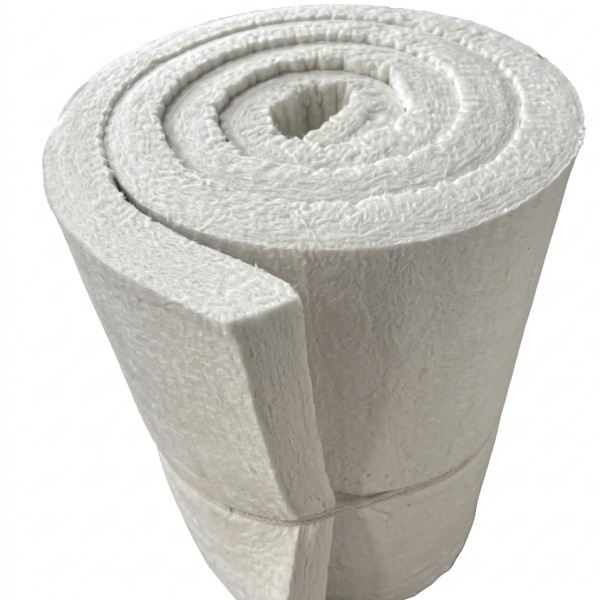
Where a greater temperature reduction is required within limited space, high-temperature insulation cores may be used.
These materials are normally enclosed within:
fiberglass fabric;
silica fabric;
stainless steel foil;
stainless steel mesh.
The insulation core should not be evaluated separately from the blanket construction.
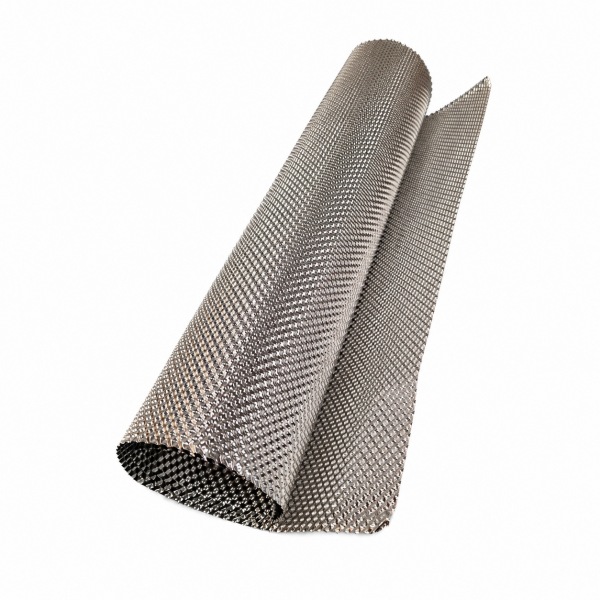
Aluminum is primarily used as a reflective surface rather than a thick insulation medium.
Its low weight makes it particularly suitable for:
automotive underbody protection;
exhaust pipe heat shields;
muffler shields;
vehicle floor insulation.
Stainless steel is preferred where the exhaust heat shield also requires mechanical strength.
It performs well in applications exposed to:
vibration;
road debris;
repeated thermal cycling;
higher temperatures.
Nickel alloys such as Alloy 625 are reserved for demanding environments where temperature, oxidation and corrosion requirements exceed the limits of conventional sheet metals.
A thicker insulation layer generally reduces heat transfer more effectively, but this does not mean the thickest available blanket is automatically the best design.
Increasing thickness can create problems with:
component clearance;
mounting brackets;
adjacent pipe routing;
sensor access;
engine compartment packaging.
In tightly packaged automotive systems, only a few millimeters of space may be available.
In a large generator enclosure, considerably thicker insulation may be practical.
The correct insulation thickness should therefore balance thermal performance with installation geometry.
Diesel exhaust pipes frequently operate for long periods under load.
Heat containment becomes especially important in:
trucks;
construction equipment;
agricultural machinery;
industrial engines;
stationary power systems.
A removablediesel exhaust pipe insulationsystem can reduce heat released into the surrounding engine compartment while still allowing service access.
Generator exhaust piping often runs through compact acoustic enclosures.
This creates a concentrated heat source close to:
electrical cabinets;
acoustic materials;
engine components;
service areas.
A generator exhaust insulation system commonly uses removable sections around pipes, elbows and silencers.
This also allows the insulation to be removed during maintenance without replacing the entire system.
Marine exhaust systems present additional concerns including:
limited ventilation;
moisture;
salt exposure;
vibration;
restricted service space.
For dry marine exhaust systems, segmented blankets are often preferred because they allow easy access to flanges and exhaust connections.
Passenger and performance vehicles use exhaust insulation for:
headers;
downpipes;
catalytic converters;
center exhaust pipes;
mufflers.
Depending on available space, solutions may include:
wrap;
shaped blanket;
metal shield;
reflective barrier.
Industrial engines and machinery may use large-diameter exhaust lines that require customized blanket sections.
These applications often place greater importance on:
durability;
repeatable installation;
service access;
identification of individual insulation sections.
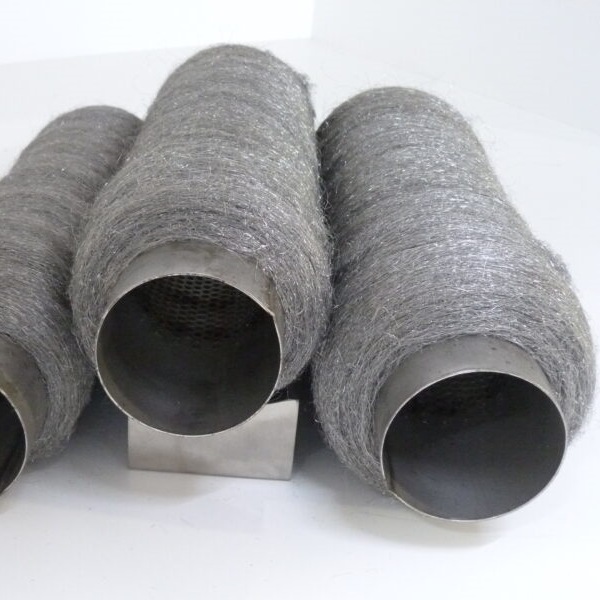
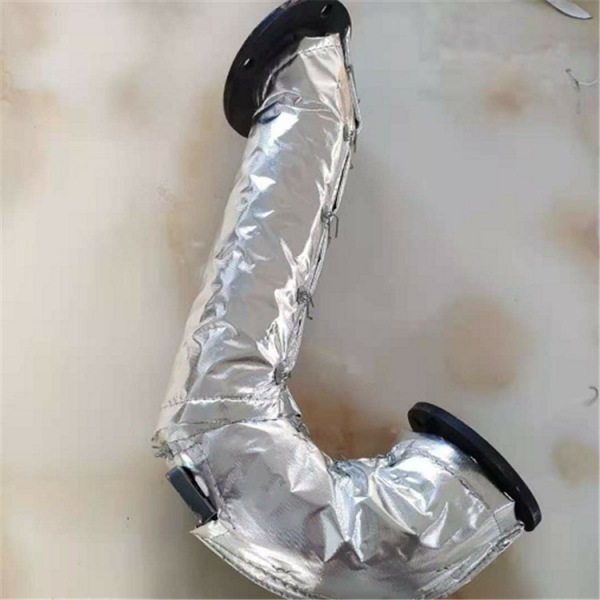
A bend is often more difficult to insulate than a straight pipe.
Wrap can follow gradual bends, but large industrial elbows may benefit from a fitted insulation blanket.
The BSTFLEXThermal Insulation Elbow Blanketis designed for curved exhaust geometry where a standard flat insulation section cannot maintain consistent coverage.
A well-designed elbow blanket should consider:
bend radius;
flange position;
pipe diameter;
seam location;
fastener access.
One of the most common weaknesses in an exhaust insulation system is the flange area.
A thick blanket may work well on the pipe but leave a large exposed metal flange.
That exposed section can become a strong local heat source.
For higher-performance systems, insulation should therefore be designed around:
flange diameter;
bolt access;
connection points;
sensors;
expansion joints.
A removable flap or separate flange blanket may be used where regular access is required.
For serious OEM projects, saying “we need exhaust insulation” is not enough.
A better specification is:
exhaust pipe operating temperature;
ambient temperature;
pipe diameter;
required outer surface temperature;
insulation thickness limit;
airflow condition.
This allows the insulation design to be evaluated against a measurable target.
Without these conditions, it is difficult to compare two insulation systems accurately.
Maintenance requirements are particularly important for:
marine engines;
generators;
mining equipment;
construction machinery;
industrial engines.
If technicians need frequent access to exhaust joints or engine components, permanent wrap can create additional maintenance work.
A removable blanket is usually more practical in these situations.
A segmented system may be designed so that:
each section has an identification mark;
only the required section is removed;
the blanket can be reinstalled after inspection.
This reduces disruption during service.
A high published temperature rating does not guarantee that the complete insulation system will perform correctly.
The full assembly must be considered.
An insulation material that performs well in a laboratory may fail quickly if it rubs continuously against a bracket or neighboring component.
Insulation should not prevent access to:
sensors;
clamps;
inspection ports;
flange bolts.
An exhaust system may need different thermal solutions in different areas.
For example:
manifold: shaped blanket;
straight pipe: wrap;
elbow: removable blanket;
muffler: metal shield.
The outer layer must suit the operating environment, not just the temperature.
Instead of selecting exhaust insulation by material name, use the following sequence.
For a simple tubular pipe:
Consider exhaust wrap or sleeve insulation.
For a pipe that requires regular inspection:
Use a removable pipe insulation blanket.
For an irregular elbow or flange:
Use a custom shaped blanket.
For protecting a nearby panel from radiant heat:
Use a metal or reflective heat shield.
For extreme heat and demanding environments:
Evaluate high-silica, high-temperature fiber, stainless steel or nickel-alloy constructions.
This approach is more reliable than choosing one product type for the complete exhaust system.
For accurate design and quotation, provide:
Pipe dimensions
outside diameter;
overall insulated length;
bend radius;
flange dimensions.
Temperature
normal operating temperature;
maximum temperature.
Installation environment
automotive;
marine;
generator;
industrial;
outdoor;
enclosed.
Service requirement
removable;
permanent;
frequency of maintenance.
Performance requirement
target external temperature;
maximum insulation thickness.
Project information
sample or drawing;
prototype quantity;
expected production volume.
The more complete the input data, the easier it is to design an insulation system that fits correctly from the first prototype.
Exhaust pipe insulation is worth considering whenever an exhaust line creates unacceptable heat exposure for the surrounding system.
The decision should be driven by actual conditions rather than by appearance.
If the objective is to lower heat around the pipe, protect surrounding components or create a safer service environment, an insulation blanket, wrap, sleeve or heat shield may be appropriate.
For applications involving multiple exhaust components, the best result often comes from combining several insulation methods.
BSTFLEX manufacturesexhaust heat shield insulation, removable blankets, exhaust wraps, lagging and custom metal heat shields for automotive, marine, diesel, generator and industrial exhaust systems.
W przypadku niestandardowej izolacji rury wydechowej należy podać wymiary rury, temperaturę pracy, środowisko instalacji oraz wymaganą ilość. Następnie można dobrać odpowiednią konstrukcję izolacji do konkretnego układu wydechowego, zamiast kierować się ogólną temperaturą znamionową.

No.10, Chuangxin North Road, Nanshan Park, Ningguo Economic and Technological Development Zone, Ningguo City, Anhui Province, China
tel/Whatsapp : 0086-15856303740
e-mail : sales@bstbraidedsleeve.com
Skype : vanesa-cheng