czego szukasz?
Wiązka przewodów skrzyni biegów może pracować w pobliżu gorących obudów skrzyni biegów, rur wydechowych, katalizatorów, komponentów związanych z turbosprężarką oraz innych skoncentrowanych źródeł ciepła. W takich miejscach wiązka może wymagać czegoś więcej niż tylko konwencjonalnej ochrony przed ścieraniem. Prawidłowo zaprojektowana osłona termiczna wiązki przewodów skrzyni biegów musi kontrolować ekspozycję termiczną, jednocześnie pasując do geometrii wiązki, procesu montażu i przestrzeni montażowej w pojeździe.
W przeciwieństwie do uniwersalnych osłon wysokotemperaturowych, osłona wiązki skrzyni biegów w motoryzacji jest często opracowywana pod konkretny komponent. Projekt może wymagać określonej długości, średnicy wewnętrznej, wycięć, punktów mocowania, wzmocnionych końcówek lub innych cech, które utrzymują osłonę we właściwej pozycji podczas montażu i eksploatacji pojazdu.
BSTFLEX produkuje aluminiowane osłony termiczne oraz niestandardowe komponenty ochrony termicznej dla wiązek przewodów, węży, kabli i przewodów płynów w motoryzacji.
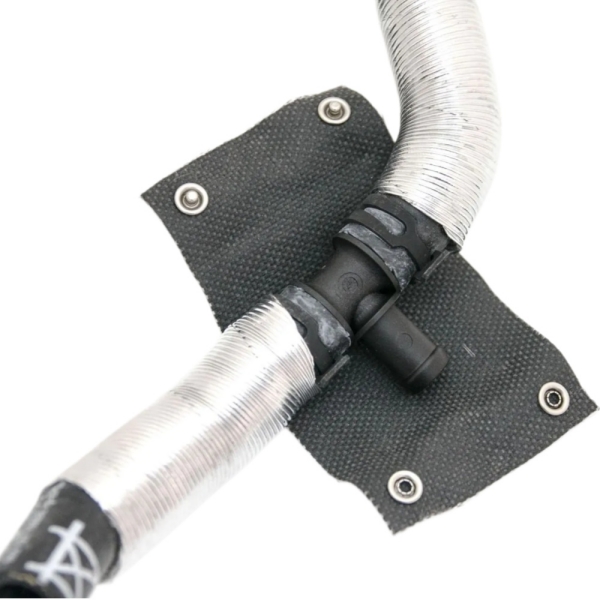
Okablowanie skrzyni biegów łączy czujniki, elektrozawory, moduły sterujące i inne komponenty elektryczne, przechodząc przez mechanicznie i termicznie wymagającą część pojazdu.
W zależności od architektury pojazdu, wiązka może znajdować się w pobliżu:
Problem termiczny nie zawsze jest spowodowany bezpośrednim kontaktem. Gorąca powierzchnia układu wydechowego może przenosić znaczną energię promieniowania przez szczelinę powietrzną i podnosić temperaturę pobliskiej wiązki, złącza lub przewodu ochronnego.
Celem osłony termicznej wiązki skrzyni biegów jest zatem zmniejszenie obciążenia termicznego docierającego do zespołu elektrycznego przy jednoczesnym zachowaniu wystarczającej elastyczności dla prowadzenia i instalacji.
Częstym błędem w specyfikacji jest rozpoczęcie od temperatury znamionowej materiału i założenie, że ta sama wartość reprezentuje ochronę temperaturową zapewnianą wiązce.
Są to różne właściwości.
Osłona może wykorzystywać materiały zdolne do wytrzymania wysokich temperatur, ale temperatura osiągana przez chronioną wiązkę zależy od kilku dodatkowych czynników:
W przypadku projektu OEM lepiej jest zatem zdefiniować wymagany limit temperatury wiązki i środowisko pracy przed sfinalizowaniem konstrukcji osłony.
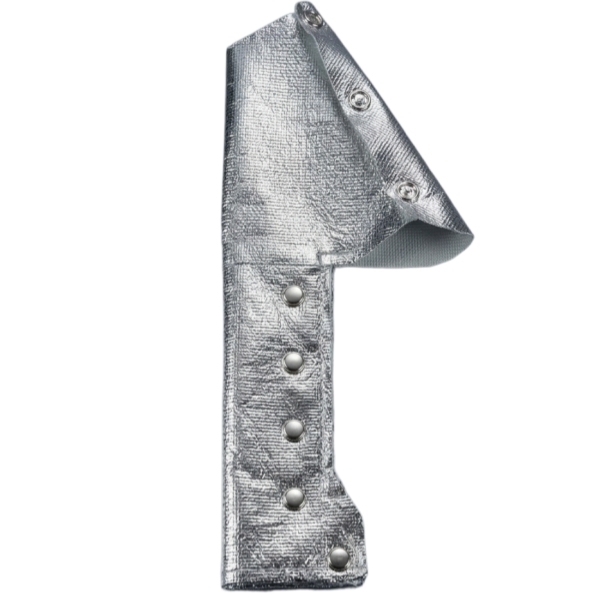
Wiązki skrzyni biegów prowadzone blisko układu wydechowego są często narażone na ciepło promieniowania, a nie na ciepło z bezpośredniego kontaktu.
W takim przypadku aluminiowana powierzchnia zewnętrzna może być przydatna, ponieważ odbija część energii promieniowania, zanim dotrze ona do struktury osłony.
Skuteczność osłony termicznej odbijającej zależy również od instalacji. Czysta powierzchnia odbijająca skierowana w stronę źródła ciepła i odpowiednia szczelina powietrzna zazwyczaj zapewniają inny wynik termiczny niż ta sama osłona dociśnięta bezpośrednio do gorącej powierzchni.
W przypadkach, gdy zastosowanie wiąże się z bezpośrednim kontaktem, przewodzeniem lub ogólnie wysoką temperaturą otoczenia, mogą być wymagane dodatkowe warstwy izolacyjne lub inna konstrukcja osłony.
Osłonę ochronną wiązki przewodów skrzyni biegów można wykonać na kilka sposobów, w zależności od wymagań termicznych i mechanicznych.
Typowa konstrukcja wykorzystuje odblaskową warstwę zewnętrzną z aluminium połączoną z podłożem z tkaniny z włókna szklanego. Aluminiowa powierzchnia radzi sobie z ciepłem promieniowania, podczas gdy struktura z włókna szklanego zapewnia elastyczność i wspiera osłonę.
Ten typ konstrukcji jest szczególnie odpowiedni, gdy wiązka przebiega blisko elementów układu wydechowego, ale nie styka się stale z gorącą powierzchnią.
Wyższe obciążenia termiczne mogą wymagać więcej niż jednej odblaskowej warstwy tekstylnej. Osłona kompozytowa może łączyć:
Prawidłowa kombinacja warstw zależy od wymaganej redukcji temperatury i dostępnej grubości pakietu.
Prosta osłona rurowa nie zawsze jest odpowiednia dla gotowej wiązki skrzyni biegów. Odgałęzienia, złącza, wsporniki lub punkty mocowania mogą wymagać konstrukcji szytej lub kształtowej.
W przypadku złożonych zespołów, BSTFLEX może również opracować niestandardowe osłony termiczne z glinowanego włókna szklanego do zastosowań motoryzacyjnych na podstawie rysunków lub próbek fizycznych.
Dwiema z najważniejszych danych wejściowych w projekcie ochrony termicznej są temperatura źródła ciepła oraz minimalna odległość między tym źródłem a wiązką.
Osłona określona dla wiązki znajdującej się 150 mm od gorącego elementu wydechu rozwiązuje inny problem termiczny niż osłona zainstalowana zaledwie kilka milimetrów dalej.
Z tego powodu zapytanie ofertowe (RFQ) powinno idealnie określać:
Wartości te dają dostawcy znacznie lepszą podstawę do oceny opcji materiałowych i konstrukcyjnych niż zapytanie typu „potrzebuję osłony na 500°C”.
Najbardziej użyteczną specyfikacją termiczną jest często maksymalna temperatura, jaką może osiągnąć chroniony zespół przewodów.
Limit ten może być kontrolowany przez:
Dlatego osłonę termiczną należy dobierać jako część kompletnego systemu wiązki, a nie jako izolowany materiał.
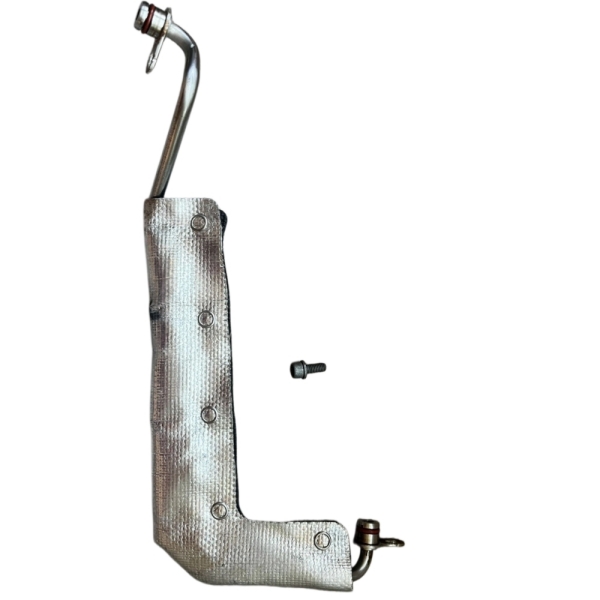
SAE J2302 to ustandaryzowana metoda oceny skuteczności termicznej izolacji w postaci osłon, rurek i taśm poddanych działaniu ciepła promieniowania.
Metoda porównuje temperaturę powierzchni ustandaryzowanego ciała testowego z osłoną ochronną i bez niej w określonych warunkach ciepła promieniowania. Zmierzona różnica temperatur stanowi wskaźnik skuteczności osłony przed ciepłem promieniowania.
Jest to przydatne w samochodowej ochronie termicznej, ponieważ ocenia wydajność cieplną, zamiast jedynie podawać maksymalną odporność temperaturową surowca.
W przypadkach, gdy rysunek OEM lub specyfikacja klienta odwołują się do SAE J2302, rzeczywista konstrukcja osłony powinna zostać oceniona w wymaganych warunkach. Produkt nie powinien być opisywany jako zgodny z SAE J2302 lub przetestowany zgodnie z tą normą, chyba że odpowiednia konstrukcja została faktycznie w ten sposób przetestowana.
Osłony przed promieniowaniem cieplnym i izolacja cieplna to różne problemy inżynieryjne.
SAE J2302 odnosi się do przepływu ciepła promieniowania w kierunku chronionego komponentu. Dla porównania, SAE J2495 jest powiązana ze skutecznością izolacji termicznej materiałów osłonowych stosowanych wokół gorącego komponentu.
W przypadku wiązki przewodów skrzyni biegów znajdującej się w pobliżu rury wydechowej, skuteczność ochrony przed promieniowaniem cieplnym jest zazwyczaj bardziej istotnym punktem wyjścia. W przypadku osłony zainstalowanej wokół gorącej rury w celu zatrzymania ciepła wewnątrz niej, problem termiczny jest inny.
Osłona wiązki skrzyni biegów musi pasować do chronionego wiązki bez tworzenia niepotrzebnych trudności montażowych.
Jeśli osłona jest zbyt ciasna:
Jeśli jest zbyt luźna:
Specyfikacja powinna zatem uwzględniać średnicę zewnętrzną wiązki, tolerancję wymiarową oraz wszelkie lokalne zmiany w rozmiarze wiązki.
Osłona powinna zakrywać sekcję wiązki narażoną na źródło ciepła, ale dodawanie niepotrzebnej długości może zwiększyć koszty i czas montażu.
Przygotowując rysunek, należy zidentyfikować:
W przypadku wielkoseryjnej produkcji samochodowej, stała długość cięcia jest ważna, ponieważ determinuje ostateczne położenie innych elementów, takich jak oczka, otwory i wycięcia.
Wiązka skrzyni biegów często zawiera odgałęzienia lub elementy montażowe, które uniemożliwiają prawidłowe dopasowanie prostej osłony.
Niestandardowe wycięcia i otwory mogą pozwolić osłonie termicznej na ominięcie:
Elementy te powinny być w miarę możliwości zdefiniowane na rysunku, aby ich położenie względem końców osłony pozostało powtarzalne.
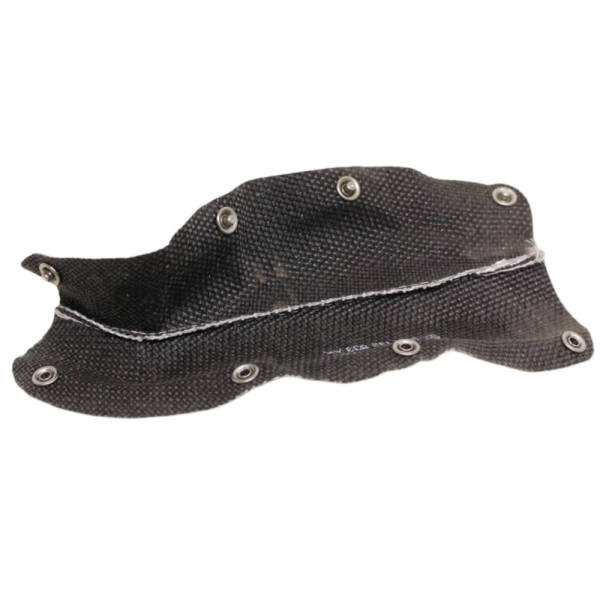
Wydajność termiczna jest przydatna tylko wtedy, gdy osłona pozostaje na zamierzonej części wiązki.
W zależności od montażu, mocowanie można uzyskać za pomocą:
Oczka mogą zapewnić określony punkt mocowania, który pomaga kontrolować położenie tulei względem wiązki.
W przypadku zastosowań OEM, lokalizację i wytrzymałość elementu mocującego należy traktować jako część specyfikacji komponentu, a nie jako opcjonalny detal wykończeniowy.
Końcówki tekstylnej tulei termicznej mogą wymagać dodatkowej obróbki w celu usprawnienia montażu lub zapobieżenia rozwarstwianiu się materiału.
W zależności od konstrukcji, metody wykańczania mogą obejmować:
Najlepsza metoda zależy od użytych materiałów oraz od tego, czy tuleja musi wytrzymać wielokrotne zginanie.
Proces montażu wiązki ma bezpośredni wpływ na konstrukcję tulei.
| Stan wiązki | Typowakonstrukcja tulei |
|---|---|
| Wiązka przed zainstalowaniem złączy | Wsuwana tuleja rurowa |
| Gotowa wiązka z dużymi złączami | Tuleja owijana |
| Wiązka wymagająca dostępu serwisowego w przyszłości | Tuleja na rzep lub zdejmowana |
| Montaż wielkoseryjny wymagający określonego zamknięcia | Zatrzask lub zaprojektowane zamknięcie mechaniczne |
| Wiązka z odgałęzieniami i nieregularną geometrią | Niestandardowa szyta lub kształtowana osłona termiczna |
Konstrukcja wsuwana jest zazwyczaj prostsza, ale tylko wtedy, gdy pozwala na to geometria wiązki i kolejność montażu.
Ochronę termiczną należy oceniać w powiązaniu z prowadzeniem wiązki.
Nawet wysokowydajna tuleja może stracić swoje właściwości, jeśli gotowa wiązka zostanie poprowadzona znacznie bliżej układu wydechowego, niż przewidywano.
Podczas przeglądu projektu sprawdź:
W niektórych przypadkach poprawa trasy wiązki o niewielką odległość może zmniejszyć ekspozycję na ciepło w stopniu wystarczającym, aby umożliwić zastosowanie cieńszej i bardziej elastycznej konstrukcji ochrony termicznej.
Osłona wiązki skrzyni biegów może również stykać się z pobliskimi wspornikami, zaciskami lub elementami konstrukcyjnymi pojazdu. Dlatego wydajność termiczna nie może być jedynym czynnikiem branym pod uwagę przy projektowaniu.
W zależności od instalacji inżynierowie mogą również musieć określić:
Jeśli spodziewane jest znaczne zużycie mechaniczne, może być wymagana oddzielna warstwa ścieralna lub połączona konstrukcja ochronna termiczno-mechaniczna.
Komponenty w obszarze skrzyni biegów mogą być narażone na mgłę olejową, wodę, zanieczyszczenia drogowe lub inne płyny eksploatacyjne.
Dlatego cała konstrukcja osłony, w tym powierzchnia odblaskowa, klej, nici szwalnicze i system zamykania, powinny zostać ocenione pod kątem rzeczywistego środowiska pracy.
Warstwa odblaskowa, która sprawdza się w laboratorium, gdy jest nowa, może nie zapewniać identycznych wyników długoterminowych, jeśli jej powierzchnia ulegnie uszkodzeniu mechanicznemu lub silnemu zabrudzeniu.
W przypadku nowej platformy samochodowej opracowywanie prototypu zazwyczaj rozpoczyna się od geometrii wiązki i środowiska termicznego.
Praktyczny pakiet rozwojowy może obejmować:
Jeśli rysunki są niekompletne, fizyczna próbka lub szczegółowe zdjęcia mogą również pomóc w zdefiniowaniu wstępnego prototypu.
Osłona, która sprawdza się termicznie w prototypie, musi być również możliwa do konsekwentnego wytwarzania w produkcji seryjnej.
W przypadku dostaw OEM proces produkcyjny może wymagać kontroli:
Projekty wielkoseryjne mogą również wymagać oprzyrządowania, narzędzi tnących lub innych dedykowanych metod produkcji w celu zachowania tych właściwości.
Osłona termiczna wiązki przekładni jest funkcjonalnym komponentem samochodowym, dlatego kontrola powinna obejmować zarówno charakterystykę wymiarową, jak i wizualną.
W zależności od rysunku technicznego klienta, kontrola może obejmować:
W przypadku krytycznych projektów OEM wymagania kontrolne powinny zostać ustalone przed rozpoczęciem masowej produkcji, a nie dodawane po zaprojektowaniu komponentu.
W celu sprawnego przeglądu technicznego należy przesłać jak najwięcej z poniższych informacji:
| Wymagane informacje | Dlaczego toma znaczenie |
|---|---|
| Średnica wiązki | Określa rozmiar rękawa |
| Długość chroniona | Określa wymiary komponentu |
| Temperatura źródła ciepła | Określa stopień oddziaływania termicznego |
| Minimalny prześwit | Ważne dla oceny ciepła promieniowania |
| Maksymalna temperatura wiązki | Określa wymaganą wydajność termiczną |
| Rysunek wiązki | Pokazuje odgałęzienia, złącza i elementy montażowe |
| Kolejność montażu | Określa konstrukcję wsuwaną lub owijaną |
| Metoda mocowania | Zapobiega przesuwaniu się osłony |
| Wymóg walidacji | Określa wymagane testy |
| Roczna ilość | Pomaga określić proces produkcyjny |
BSTFLEX produkuje aluminiowane i tekstylne produkty ochrony termicznej dla samochodowych wiązek przewodów, kabli, węży i przewodów płynów. Projekty mogą obejmować zarówno standardowe elastyczne rękawy, jak i części niestandardowe z wycięciami, otworami, zapięciami, wzmocnionymi końcami i geometrią dostosowaną do konkretnego komponentu.
Szerszy wybór samochodowych rękawów odblaskowych jest dostępny w kategorii Aluminiowany rękaw chroniący przed ciepłem.
Aby uzyskać informacje na temat ogólnego doboru materiałów i konstrukcji wiązek przewodów, zobacz Samochodowe osłony termiczne wiązek przewodów: materiały, konstrukcje i zastosowania.
W przypadku nowego projektu ochrony termicznej wiązki skrzyni biegów, prześlij do BSTFLEX rysunek komponentu, wymiary wiązki, temperaturę źródła ciepła, prześwit, docelową temperaturę wiązki oraz wymagany standard walidacji. Możemy ocenić geometrię i zalecić odpowiednią konstrukcję do opracowania prototypu.
Jest to termiczna osłona ochronna instalowana wokół okablowania związanego z samochodową skrzynią biegów. Jej celem jest zmniejszenie ekspozycji na ciepło pochodzące z pobliskiej skrzyni biegów, układu wydechowego lub innych gorących komponentów, przy jednoczesnym zachowaniu elastyczności i prowadzenia wymaganego przez wiązkę.
Jasna, aluminiowana powierzchnia zewnętrzna jest przydatna do odbijania ciepła promieniowania z pobliskich elementów układu wydechowego. Jest ona powszechnie łączona z włóknem szklanym lub innym tekstylnym materiałem izolacyjnym, który zapewnia warstwę strukturalną i termiczną pod powierzchnią odbijającą.
Nie ma uniwersalnej odległości. Wymagany prześwit zależy od temperatury spalin, konstrukcji osłony, czasu ekspozycji, ruchu powietrza oraz maksymalnej temperatury dopuszczalnej dla wiązki. Rzeczywista instalacja powinna zostać oceniona pod kątem wymaganej wydajności termicznej.
Nie. Zdolność temperaturowa materiału osłony wskazuje, co materiał osłony może wytrzymać. Temperatura osiągana przez chronioną wiązkę zależy od pełnego środowiska termicznego, w tym temperatury źródła ciepła, odległości, struktury osłony i czasu ekspozycji.
SAE J2302 ocenia skuteczność izolacji w postaci rękawa, rurki lub taśmy przeciwko ciepłu promieniowania poprzez porównanie temperatur korpusu testowego z materiałem ochronnym i bez niego w określonych warunkach.
Tak. Niestandardowe projekty mogą zawierać wycięcia, otwory, oczka, wycięcia, wzmocnione końce i inne cechy wymagane do pozycjonowania lub integracji z zespołem wiązki.
Tak, jeśli zastosowano konstrukcję owijaną, z rzepem, zatrzaskami lub inną konstrukcję otwieraną. Konwencjonalny rękaw rurowy zazwyczaj wymaga, aby wiązka lub jej złącza przeszły przez rękaw.
Tak. Rysunek jest preferowany dla kontroli wymiarowej, ale istniejące części, próbki wiązek i zdjęcia instalacji mogą być również wykorzystane podczas wstępnego rozwoju.

No.10, Chuangxin North Road, Nanshan Park, Ningguo Economic and Technological Development Zone, Ningguo City, Anhui Province, China
tel/Whatsapp : 0086-15856303740
e-mail : sales@bstbraidedsleeve.com
Skype : vanesa-cheng