czego szukasz?
Materiał termiczny to tylko jeden z elementów systemu ochrony termicznej samochodowych wiązek przewodów. Osłona musi być również praktyczna w montażu wokół samej wiązki.
Prosta osłona rurowa może być idealna, gdy wiązka jest jeszcze w trakcie montażu, ale może stać się trudna lub niemożliwa do założenia po zamontowaniu dużych złączy, punktów rozgałęzień, klipsów i końcówek. W takich sytuacjach owijana osłona termiczna, konstrukcja na rzep, zatrzask lub osłona samozamykająca może stanowić bardziej praktyczne rozwiązanie.
Wybór między konstrukcją wsuwaną a owijaną zależy zatem od kolejności montażu wiązki, geometrii złączy, wymagań serwisowych, wielkości produkcji i środowiska termicznego.
BSTFLEX produkuje wiele aluminiowanych osłon termicznych do samochodowych wiązek przewodów, węży, kabli i przewodów płynów, w tym konstrukcje rurowe i demontowalne.
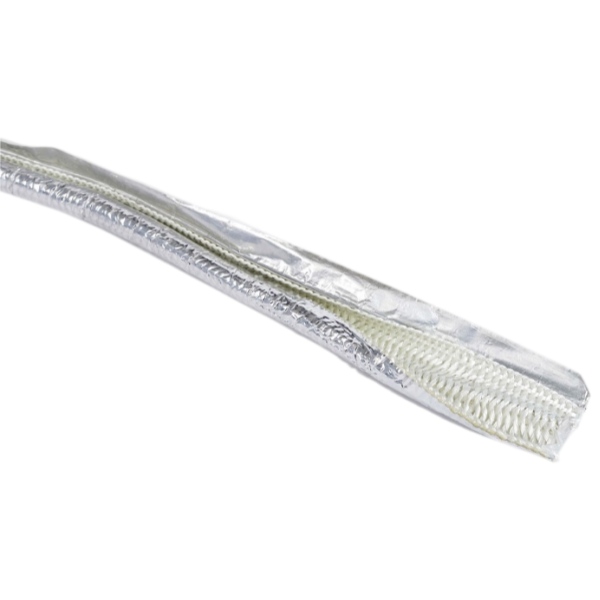
Wsuwana osłona termiczna to ciągła osłona rurowa instalowana poprzez przeciągnięcie wiązki przewodów, kabla lub węża przez wnętrze osłony.
Taka konstrukcja jest zazwyczaj najprostszą opcją, gdy osłonę ochronną można zainstalować przed całkowitym montażem wiązki.
Typowe konstrukcje wsuwane obejmują:
Konstrukcje wsuwane zazwyczaj zapewniają ciągłe pokrycie wokół chronionego elementu bez szwu otwierającego lub zewnętrznego systemu zamykania.
Wsuwana osłona jest zazwyczaj preferowana, gdy kolejność produkcji wiązki pozwala na jej zainstalowanie przed zamontowaniem dużych złączy lub końcówek.
Typowe warunki obejmują:
W przypadku produkcji wielkoseryjnej konstrukcja rurowa może również uprościć listę materiałów, ponieważ nie ma dodatkowego paska na rzep, zatrzasku ani zakładkowego zamknięcia.
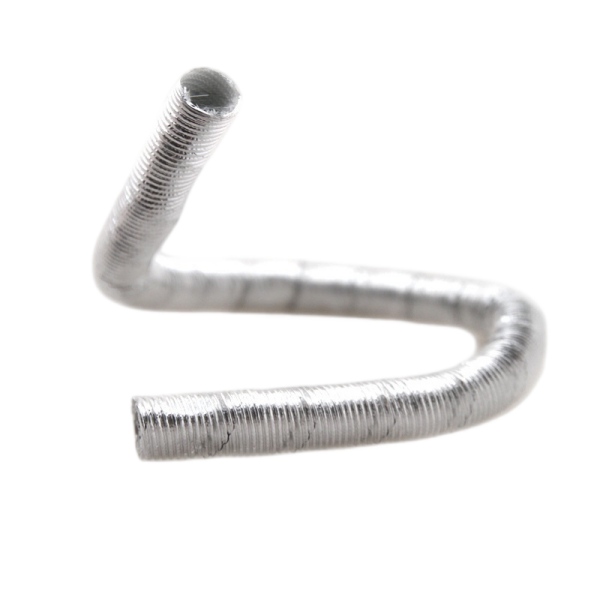
Osłona rurowa otacza wiązkę w sposób ciągły. Nie ma otwartego szwu, który musiałby być skierowany z dala od źródła ciepła.
Bez zapięć na rzepy lub nakładających się krawędzi, wsuwana osłona często pozwala zachować stosunkowo kompaktowy profil końcowy.
Brak systemu zamykania może zmniejszyć liczbę komponentów i elementów montażowych w gotowym produkcie.
Gdy ochrona termiczna jest planowana na etapie projektowania wiązki, osłonę rurową można zintegrować z normalnym procesem montażu.
Największym ograniczeniem jest montaż.
Jeśli wiązka przewodów posiada już złącza, formowane końcówki, zaciski montażowe lub duże punkty rozgałęzienia, elementy te mogą nie przejść przez rękaw.
Rękaw rurowy może być również niewygodny, gdy chroniona sekcja znajduje się w środku istniejącej wiązki, której nie można rozłączyć.
W takich przypadkach zwiększenie średnicy rękawa na tyle, aby przeszedł przez złącza, może spowodować zbyt luźne dopasowanie wokół standardowej wiązki kabli.
Owijany rękaw instaluje się poprzez otwarcie go, umieszczenie wokół wiązki przewodów lub węża, a następnie zamknięcie wzdłuż szwu wzdłużnego.
Pozwala to na dopasowanie osłony termicznej do już zmontowanego elementu bez konieczności przeciągania złączy przez rurę.
Konstrukcje owijane mogą wykorzystywać:
Konstrukcje te są szczególnie przydatne w pracach modernizacyjnych, gotowych wiązkach przewodów oraz zespołach pojazdów, które wymagają przyszłego dostępu serwisowego.
Owijaną konstrukcję należy rozważyć, gdy:
W takich zastosowaniach zdejmowany rękaw może znacząco uprościć instalację w porównaniu z demontażem układu elektrycznego.
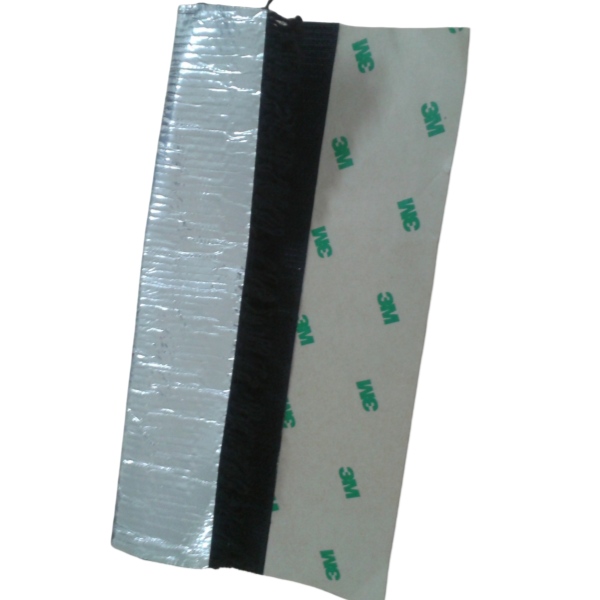
Rękaw zapinany na rzep jest jedną z najpopularniejszych konstrukcji zdejmowanej ochrony termicznej.
Rękaw otwiera się wzdłuż swojej długości, owija wokół wiązki przewodów i jest zabezpieczany wysokotemperaturowym zapięciem na rzep.
Ten typ konstrukcji jest przydatny, gdy:
BSTFLEX oferuje Aluminiowy rękaw termiczny Heat Shroud z zapięciem na rzep do zastosowań z przewodami, kablami i wężami narażonymi na promieniowanie cieplne.
Zatrzaski zapewniają określone zamknięcie mechaniczne, które może być przydatne w powtarzalnych instalacjach OEM.
W porównaniu ze szwem na rzep, zatrzaski tworzą stałe punkty zamknięcia wzdłuż rękawa.
Ten typ konstrukcji może być odpowiedni, gdy:
Rozstaw i liczba zatrzasków powinny być dopasowane do długości rękawa, średnicy i wymaganej stabilności szwu.
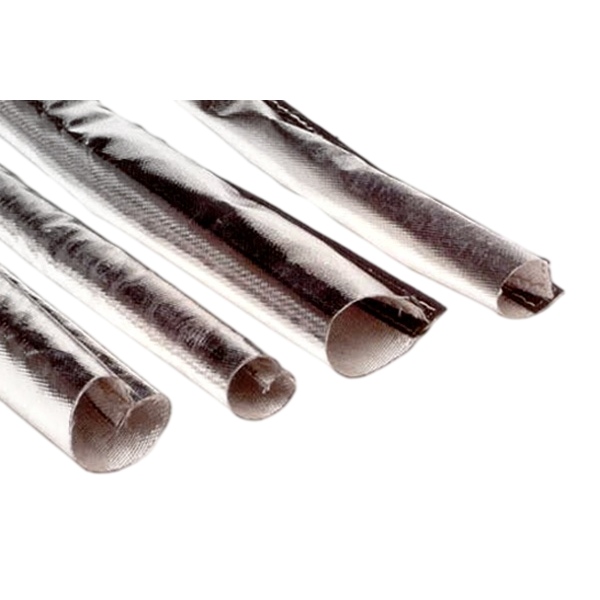
Samozamykający się rękaw wykorzystuje nakładające się krawędzie lub wstępnie uformowaną strukturę, która naturalnie zamyka się wokół wiązki po instalacji.
Instalator otwiera rękaw, umieszcza wewnątrz wiązkę kabli i pozwala rękawowi zacisnąć się wokół komponentu.
Może to ograniczyć liczbę kroków instalacji, ponieważ nie ma potrzeby zabezpieczania oddzielnych pasków rzepowych ani pojedynczych zatrzasków.
Samozamykająca się konstrukcja może być odpowiednia dla:
| Czynnik konstrukcyjny | Rękaw wsuwany | Rękaw owijany |
|---|---|---|
| Czas instalacji | Najlepiej przed zainstalowaniem złączy | Może być zainstalowany po montażu wiązki |
| Duże złącza | Mogą uniemożliwić instalację | Zazwyczaj nie stanowią problemu |
| Zastosowanie modernizacyjne | Ograniczone | Bardzo odpowiednie |
| Ciągłe pokrycie | Tak | Obejmuje zamknięcie wzdłużne |
| Średnica zewnętrzna | Zazwyczaj bardziej kompaktowa | Może być większa przy zamknięciu |
| Dostęp serwisowy | Zazwyczajwymaga zdjęcia rękawa od końca | Często można otworzyć miejscowo |
| Szybkość montażu | Szybki, jeśli jest zintegrowany z produkcją wiązek | Szybki w przypadku gotowych wiązek |
| Elementy zamykające | Zazwyczaj brak | Rzepy, zatrzaski lub konstrukcja samozamykająca |
| Złożona geometria wiązki | Trudniejsze | Bardziej elastyczne |
Tak, konstrukcja zamknięcia może wpływać na ogólny system ochrony termicznej.
Rękaw rurowy zapewnia nieprzerwane pokrycie obwodowe, podczas gdy konstrukcja owijana zawiera szew wzdłużny. Dlatego należy wziąć pod uwagę położenie szwu względem źródła ciepła.
Jeśli to możliwe, zamknięcie nie powinno tworzyć niepotrzebnego otworu skierowanego bezpośrednio w stronę źródła największego ciepła promieniowania.
Szerokość zakładki, stabilność zamknięcia i dopasowanie rękawa mogą wpływać na to, jak dobrze warstwa ochronna utrzymuje się wokół wiązki.
W przypadku rękawa z powłoką aluminiową, powierzchnia odbijająca powinna pozostać skierowana w stronę zewnętrznego źródła ciepła promieniowania.
Podczas instalacji należy unikać:
Prawidłowa pozycja instalacji może być równie ważna, co specyfikacja materiałowa.
Odbiciowa ochrona termiczna działa inaczej niż gruba izolacja.
Powierzchnia aluminiowana jest szczególnie przydatna do redukcji ciepła promieniowania. Tam, gdzie instalacja na to pozwala, zachowanie odstępu między źródłem ciepła, rękawem a chronioną wiązką może poprawić ogólny układ termiczny.
Jeśli rękaw jest dociśnięty bezpośrednio do bardzo gorącego elementu, ciepło przewodzone staje się ważniejsze i zastosowanie może wymagać innego lub dodatkowego systemu izolacji.
Zarówno rękawy wsuwane, jak i owijane wymagają odpowiedniego naddatku wymiarowego.
Specyfikacja powinna uwzględniać:
Zbyt ciasny rękaw może ograniczać ruch wiązki i utrudniać montaż.
Zbyt luźny rękaw może się przesuwać, kolidować z pobliskimi elementami lub wystawiać część okablowania na działanie ciepła.
Geometria złącza jest jednym z najszybszych sposobów określenia, czy konstrukcja wsuwana jest praktyczna.
Na przykład wiązka może mieć normalną średnicę 18 mm, ale korpus złącza może mierzyć 45 mm. Rękaw rurowy dopasowany do wiązki 18 mm nie przejdzie przez złącze, podczas gdy rękaw dopasowany do złącza może być niepotrzebnie za duży na pozostałej części wiązki.
W takim przypadku konstrukcja owijana zazwyczaj zapewnia lepszą kontrolę dopasowania.
Wiązki przewodów często dzielą się na dwie lub więcej odgałęzień.
Standardowy rękaw rurowy może chronić główny przewód, ale punkt rozgałęzienia może wymagać:
W przypadku złożonej geometrii trójwymiarowej konwencjonalny rękaw może przestać być najbardziej wydajnym rozwiązaniem.
BSTFLEX może również produkować niestandardowo ukształtowane aluminiowane osłony termiczne z włókna szklanego dla motoryzacji dla nieregularnych geometrii wiązek i komponentów.
Najlepszy rękaw do testów prototypowych nie zawsze jest najlepszym projektem dla linii montażowej w motoryzacji.
W przypadku programów produkcyjnych inżynierowie powinni również ocenić:
Nieco bardziej złożona konstrukcja rękawa może skrócić całkowity czas montażu, jeśli pozwala na instalację po zakończeniu tworzenia wiązki.
Modernizacyjna ochrona termiczna stanowi inny problem niż produkcja wiązek OEM.
Pojazd jest już zmontowany, a chroniona wiązka może być trudna do odłączenia bez demontażu wielu komponentów.
Z tego powodu w zastosowaniach modernizacyjnych powszechnie preferuje się:
Możliwość zainstalowania rękawa termicznego bez odłączania przewodów, kabli lub węży może znacząco obniżyć koszty robocizny serwisowej.
| Zastosowanie | Zalecany punkt wyjścia |
|---|---|
| Nowa wiązka przewodów przed instalacją złączy | Wsuwany rurowy rękaw termiczny |
| Gotowa wiązka z dużymi złączami | Rękaw owijany |
| Wiązka wymagająca częstej inspekcji | Rękaw z zapięciem na rzep |
| Montaż OEM wymagający określonego zamknięcia mechanicznego | Rękaw z zapięciem na zatrzaski |
| Szybka instalacja wokół wiązek kablowych | Rękaw samozamykający |
| Nieregularna geometria odgałęzień lub złączy | Osłona termiczna o niestandardowym kształcie |
| Wysokie promieniowanie cieplne w pobliżu układu wydechowego | Konstrukcja z powłoką aluminiową odbijającą ciepło |
Wiązki przewodów skrzyni biegów są dobrym przykładem tego, dlaczego konstrukcja instalacji ma znaczenie.
Jeśli rękaw ochronny jest instalowany podczas produkcji wiązki przed zamontowaniem wszystkich złączy, konstrukcja rurowa może być praktyczna.
Jeśli ochrona termiczna jest dodawana po zakończeniu montażu wiązki, geometria złączy może wymagać zastosowania rękawa zdejmowanego.
Bardziej szczegółowe rozważania inżynieryjne znajdują się wRękaw chroniący przed ciepłem do wiązek przewodów skrzyni biegów: projekt i wymagania termiczne.
Konstrukcja instalacji nie zastępuje właściwego doboru materiału.
Zarówno rękaw wsuwany, jak i owijany mogą być wykonane z różnych materiałów termicznych.
W zależności od zastosowania, opcje mogą obejmować:
W zastosowaniach zdominowanych przez promieniowanie cieplne z układu wydechowego, konstrukcje z powłoką aluminiową są szczególnie przydatne, ponieważ odblaskowa powierzchnia zewnętrzna pomaga ograniczyć energię promieniowania docierającą do wiązki.
Przy zamawianiu niestandardowego zdejmowanego rękawa należy podać:
Zdjęcia zainstalowanej wiązki są szczególnie przydatne w zastosowaniach modernizacyjnych, ponieważ pokazują dostępny prześwit i przeszkody wokół komponentu.
BSTFLEX produkuje wsuwane, szyte, owijane, zapinane na rzepy, zatrzaski oraz samozamykające się elementy ochrony termicznej dla wiązek przewodów samochodowych, kabli, węży i przewodów płynów.
Zastosowania obejmują zarówno standardowe osłony odblaskowe, jak i niestandardowe komponenty OEM opracowane zgodnie z określonymi wymiarami wiązki, złączami, odgałęzieniami i wymaganiami instalacyjnymi.
Szerszy przegląd materiałów i konstrukcji ochrony termicznej wiązek samochodowych znajduje się w Samochodowe osłony termiczne wiązek przewodów: materiały, konstrukcje i zastosowania.
Aby zapoznać się z opcjami osłon odblaskowych, zobacz kategorię BSTFLEX Aluminiowana osłona termiczna.
Osłona wsuwana to ciągła rura, którą należy nasunąć na wiązkę przewodów lub kabel. Osłona owijana otwiera się wzdłuż swojej długości i może być zainstalowana wokół już zmontowanego komponentu.
Osłona owijana, zapinana na rzep, zatrzask lub samozamykająca się jest zazwyczaj bardziej praktyczna, gdy złącza są już zainstalowane, a wiązki nie można rozłączyć.
Osłona rurowa zapewnia ciągłe pokrycie bez zamknięcia wzdłużnego, ale rzeczywista wydajność termiczna zależy od materiału, konstrukcji osłony, dopasowania, szczeliny powietrznej, temperatury źródła ciepła i instalacji. Typu osłony nie należy wybierać wyłącznie na podstawie metody zamknięcia.
Tak. Konstrukcje owijane są szczególnie przydatne tam, gdzie okablowanie, węże lub kable wymagają ochrony termicznej bez odłączania istniejącego zespołu.
Jest powszechnie stosowana do gotowych wiązek przewodów, kabli i węży, które wymagają zdejmowanej lub modernizacyjnej ochrony termicznej. Osłonę można otworzyć, owinąć wokół komponentu i zamknąć wzdłuż jej długości.
Osłona samozamykająca otwiera się, aby przyjąć wiązkę przewodów, a następnie zamyka się wokół niej dzięki nakładającej się lub wstępnie uformowanej strukturze. Może zapewnić szybszą instalację bez oddzielnego zapięcia na rzep.
Tak. Średnica osłony, szerokość na płasko, długość cięcia, konstrukcja materiałowa, system zamknięcia, warstwy izolacyjne i inne wymiary mogą być produkowane zgodnie ze specyfikacją komponentu i klienta.
Tam, gdzie głównym problemem jest ciepło promieniujące z kolektora wydechowego, aluminiowana konstrukcja odblaskowa jest często odpowiednim punktem wyjścia. Ostateczny wybór powinien uwzględniać temperaturę źródła ciepła, prześwit, wymaganą temperaturę wiązki oraz możliwość wystąpienia bezpośredniego kontaktu.

No.10, Chuangxin North Road, Nanshan Park, Ningguo Economic and Technological Development Zone, Ningguo City, Anhui Province, China
tel/Whatsapp : 0086-15856303740
e-mail : sales@bstbraidedsleeve.com
Skype : vanesa-cheng