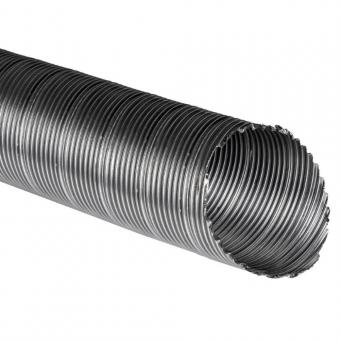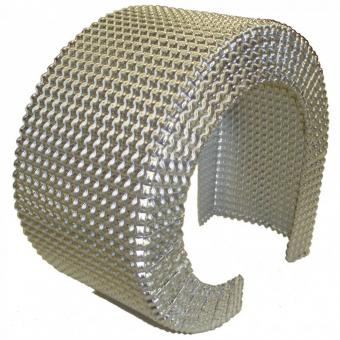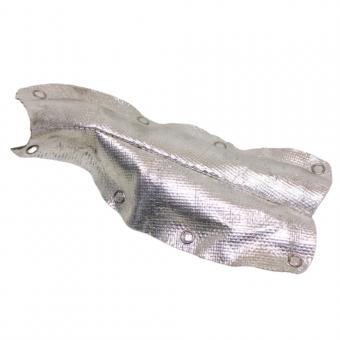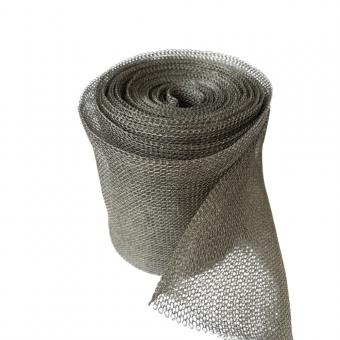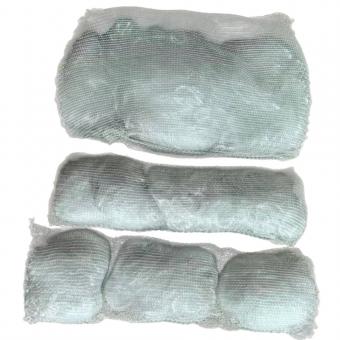
Siatka druciana dzianinowa do miechów wydechowych i elastycznych rur wydechowych
Siatka tkana z drutu jest powszechnie stosowana w miechach wydechowych, elastycznych rurach wydechowych, odsprzęgaczach wydechowych i innych elastycznych zespołach przyłączeniowych układu wydechowego, w których element musi być odporny na drgania, rozszerzalność cieplną, powtarzające się ruchy i kontakt mechaniczny.
W przeciwieństwie do plecionej siatki drucianej lub konwencjonalnych oplotów ze stali nierdzewnej, dziana siatka druciana jest formowana z ciągłych pętli z drutu ze stali nierdzewnej. Ta pętelkowa struktura pozwala siatce na ściskanie, rozciąganie, dopasowywanie się do zakrzywionych powierzchni i poruszanie się wraz z elementem układu wydechowego, nie stając się sztywnym ograniczeniem.
W zastosowaniach w układach wydechowych samochodów i przemyśle siatkę można zainstalować wokół mieszka, umieścić pod zewnętrznym oplotem, zintegrować ze strukturą rozdzielającą lub wyprodukować jako oddzielną tuleję rurową zgodnie z projektem układu wydechowego klienta.
BSTFLEX produkujerękawy z siatki drucianej ze stali nierdzewnejDo miechów wydechowych, elastycznych rur wydechowych i samochodowych rozdzielaczy układu wydechowego. Średnica drutu, średnica tulei, gatunek stali nierdzewnej, gęstość oczek, liczba splotów drutu i długość końcowa mogą być dostosowane do projektów OEM.
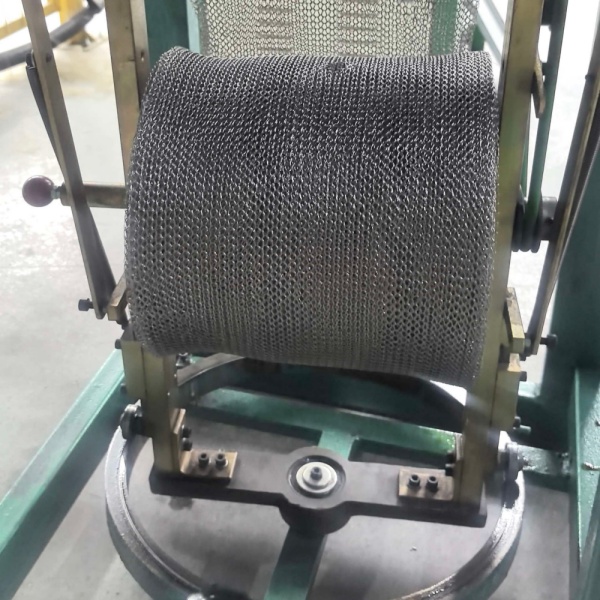
Gdzie stosuje się siatkę drucianą w elastycznym układzie wydechowym?
Nie ma jednej uniwersalnej konstrukcji elastycznej rury wydechowej. Różne platformy pojazdów, układy silników i producenci układów wydechowych stosują różne kombinacje miechów, oplotów, tulei i dzianin.
Typowy elastyczny układ wydechowy może zawierać kilka warstw metalu:
Zewnętrzny oplot ze stali nierdzewnej
↓
Warstwa siatki drucianej
↓
Mieszki faliste ze stali nierdzewnej
↓
Wewnętrzna blokada lub elastyczna wkładka
W innej konstrukcji rękaw z dzianiny siatkowej można zamontować bezpośrednio wokół mieszka, bez dodatkowego zewnętrznego oplotu.
Rękaw z dzianiny ze stali nierdzewnej
↓
Miech wydechowy
↓
Wyściółka wewnętrzna
Prawidłowe położenie siatki zależy od funkcji mechanicznej wymaganej od całego złącza wydechowego. Dlatego siatkę dzianą do miechów wydechowych należy zazwyczaj dobierać w połączeniu z całością konstrukcji rury elastycznej, a nie jako oddzielny element.
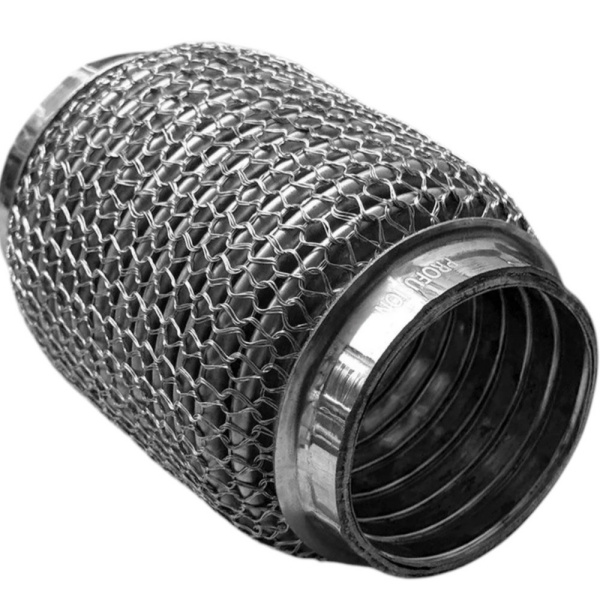
Dlaczego miechy wydechowe potrzebują elastycznej warstwy siatki metalowej
Miechy układu wydechowego zaprojektowano w celu pochłaniania ruchu między silnikiem a układem wydechowym. Podczas eksploatacji pojazdu miechy mogą być narażone na kilka różnych form przemieszczeń jednocześnie.
- Wibracje silnika
- Pulsacja spalin
- Wibracje wywołane przez drogę
- Rozszerzalność cieplna
- Ściskanie i rozciąganie osiowe
- Ruch boczny
- Niewspółosiowość kątowa
- Powtarzające się cykle termiczne start-stop
Sztywna metalowa osłona utrudniałaby ten ruch. Siatka ze stali nierdzewnej jest odpowiednia, ponieważ struktura pętli może odkształcać się wraz z miechem.
Dzięki temu siatka pozostaje w kontakcie z zespołem, a jednocześnie umożliwia kontrolowany ruch.
Jak dzianinowa siatka druciana pomaga w zarządzaniu wibracjami
Jedną z najważniejszych cech siatki dzianej jest duża liczba punktów styku drut-drut, tworzonych przez dziane oczka.
Gdy układ wydechowy wibruje, poszczególne pętle mogą się nieznacznie przesuwać względem sąsiednich pętli. Powoduje to tarcie między powierzchniami drutu ze stali nierdzewnej i może pomóc rozproszyć część energii mechanicznej generowanej przez wibracje.
Stopień tłumienia zależy od kilku czynników, w tym:
- Średnica drutu
- Liczba drutów połączonych ze sobą
- Gęstość siatki
- Kompresja siatki
- Średnica tulei
- Gatunek stali nierdzewnej
- Pozycja instalacji
- Interakcja z miechami i zewnętrznym oplotem
Z tego powodu dwa rękawy z siatki dzianinowej o tej samej średnicy zewnętrznej mogą zachowywać się zupełnie inaczej, jeśli ich średnica drutu lub gęstość splotu są różne.
Ochrona powierzchni miechów wydechowych
Cienkie miechy ze stali nierdzewnej zaprojektowano z myślą o zapewnieniu elastyczności, ale wielokrotne ocieranie się o otaczające je elementy metalowe może powodować ich zużycie.
Warstwa siatki drucianej może pełnić funkcję elastycznego interfejsu mechanicznego wokół mieszka. Siatka pomaga oddzielić powierzchnię mieszka od sąsiednich warstw i rozprowadza kontakt na większej powierzchni.
Funkcja ta może być szczególnie użyteczna w przypadku, gdy miech połączony jest z zewnętrznym oplotem ze stali nierdzewnej lub inną metalową konstrukcją ograniczającą.
Siatka druciana i ruch miechowy
Skuteczność elastycznego połączenia wydechowego zależy od umożliwienia miechowi ruchu w przewidzianym dla niego zakresie.
Prawidłowo dobrany rękaw z dzianiny siatkowej może pomieścić:
- Sprężanie osiowe
- Wydłużenie osiowe
- Ruch promieniowy
- Ograniczone przemieszczenie kątowe
- Powtarzające się cykle wibracji
Jednakże nie należy dobierać rozmiaru siatki wyłącznie na podstawie średnicy rękawa.
Zbyt gęsta lub zbyt ciasno spleciona struktura może ograniczać ruchy, natomiast siatka zbyt luźna może nie zapewniać zamierzonej interakcji mechanicznej z elementem układu wydechowego.
Prawidłowy projekt wymaga znalezienia równowagi pomiędzy elastycznością, masą metalu, gęstością oczek i dopasowaniem wymiarowym.
Siatka druciana a plecionka ze stali nierdzewnej
Siatka druciana i oplot ze stali nierdzewnej są często mylone, ponieważ oba te materiały mogą występować na zewnątrz elastycznej rury wydechowej.
Powstają w wyniku różnych procesów produkcyjnych i zazwyczaj charakteryzują się różnymi właściwościami mechanicznymi.
| Funkcja | Siatka druciana dzianinowa | Oplot ze stali nierdzewnej |
|---|---|---|
| Budowa | Połączone pętle z drutu dzianinowego | Przewody nośne z przekrojem diagonalnym |
| Ściśliwość promieniowa | Wysoki | Niższe w zależności od wzoru oplotu |
| Kontakt przewód-przewód | Duża liczba punktów styku pętli | Kontakt głównie na skrzyżowaniach warkoczy |
| Zgodność | Bardzo dobry | Dobry |
| Typowa funkcja | Tłumienie, separacja, ochrona powierzchni, elastyczne podparcie | Ograniczenia zewnętrzne i wzmocnienie konstrukcyjne |
| Można używać razem | Tak | Tak |
W wielu projektach elastycznych rur wydechowych, siatka dzianinowa i oplot ze stali nierdzewnej nie są produktami konkurencyjnymi. Można je stosować razem, ponieważ każda struktura zapewnia inne właściwości mechaniczne.
Siatka dziana potrójnie z drutu do zastosowań w układach wydechowych
BSTFLEX umożliwia produkcję siatki dzianinowej przy użyciu wielu drutów ze stali nierdzewnej podawanych do procesu dziania jednocześnie.
Jedną z ważnych konstrukcji jestsiatka dzianinowa potrójnie tkana, w którym trzy druty ze stali nierdzewnej są podawane równolegle i splecione ze sobą w tę samą strukturę pętli.
Drut ze stali nierdzewnej 1
+
Drut ze stali nierdzewnej 2
+
Drut ze stali nierdzewnej 3
↓
Równoległe podawanie drutu
↓
Proces dziania
↓
Rękaw rurowy z siatki potrójnej
W porównaniu z podobną konstrukcją dzianiny jednodrutowej, siatka trójdrutowa zawiera więcej materiału metalicznego w każdej dzianinowej pętli.
Może to być przydatne w przypadku, gdy producent elementów układu wydechowego wymaga bardziej solidnej struktury siatki, większej masy metalu lub innych charakterystyk sprężania.
Liczbę żył przewodu należy nadal dobierać zgodnie z wymaganiami montażowymi. Większa liczba żył nie oznacza automatycznie lepszej wydajności w każdym układzie wydechowym.
BSTFLEX może dostosowaćpotrójnie tkana siatka do miechów wydechowychwedług rysunków klienta lub istniejących próbek.
Jak średnica drutu zmienia zachowanie siatki
Średnica drutu jest jedną z najważniejszych zmiennych w projektowaniu siatki dzianinowej do układów wydechowych.
Grubszy drut ze stali nierdzewnej zazwyczaj tworzy sztywniejszą i cięższą strukturę metalową, natomiast cieńszy drut może tworzyć lżejszą i bardziej podatną na ściskanie siatkę.
Średnica drutu ma wpływ na:
- Sztywność siatki
- Waga siatki
- Elastyczność pętli
- Odporność na ściskanie
- Powierzchnia styku
- Odporność na ścieranie
- Grubość gotowego rękawa
Dlatego średnicę drutu należy dobierać w zależności od gęstości splotu i liczby włókien.
Gruby drut o otwartym splocie może zachowywać się inaczej niż cieńszy drut stosowany w gęstej konstrukcji wielożyłowej.
Dlaczego gęstość siatki ma znaczenie
Gęstość oczek określa, ile drutu jest zawarte w danym obszarze lub długości dzianiny.
Gęstsza siatka zazwyczaj zawiera więcej punktów styku drut-drut i więcej masy metalicznej. Może to zmienić jej charakterystykę tłumienia, sztywność i zachowanie podczas ściskania.
Luźniejsza dzianinowa konstrukcja zapewnia zazwyczaj większą elastyczność i niższą wagę.
Prawidłowa gęstość zależy od planowanego położenia wewnątrz elastycznego układu wydechowego.
Na przykład siatka stosowana bezpośrednio wokół mieszka może wymagać innej konstrukcji niż siatka umieszczona pomiędzy mieszkiem a zewnętrznym oplotem drucianym.
Wybór prawidłowej średnicy tulei
Średnica tulei musi być dokładnie dopasowana do zewnętrznej średnicy miecha wydechowego lub elastycznej rury.
Jeśli siatka dzianinowa jest zbyt mała, może być trudno ją zamontować lub może dojść do nadmiernego ściśnięciu mieszka.
Jeśli tuleja jest za duża, może być zbyt luźna i nie współdziałać z zespołem zgodnie z przeznaczeniem.
W przypadku rozwoju OEM firma BSTFLEX zaleca dostarczenie:
- Średnica zewnętrzna mieszka
- Wymagana średnica wewnętrzna oczek
- Długość gotowego rękawa
- Wymagany stan kompresji lub dopasowania
- Rysunek kompletnego elastycznego połączenia wydechowego, jeśli jest dostępny
Wybór materiałów ze stali nierdzewnej
Stal nierdzewna jest powszechnie wybierana do produkcji siatek dzianych na układy wydechowe, ponieważ łączy w sobie odporność na korozję, odporność na wysokie temperatury i trwałość mechaniczną.
Typowe opcje materiałowe obejmują stal nierdzewną 304 i 316, natomiast inne gatunki można ocenić pod kątem konkretnych wymagań OEM.
Przy wyborze materiałów należy wziąć pod uwagę:
- Temperatura pracy
- Środowisko utleniające
- Narażenie na sól drogową
- Kondensacja
- Lokalizacja układu wydechowego
- Wymagany okres użytkowania
- Specyfikacja materiałów klienta
W przypadku wymagających układów wydechowych materiał należy dobrać zgodnie ze specyfikacją techniczną klienta, a nie wyłącznie na podstawie ogólnej odporności na korozję.
Siatka dzianinowa do samochodowych rozdzielaczy układu wydechowego
Odsprzęgacze wydechu mają za zadanie ograniczyć przenoszenie ruchu silnika do dalszego układu wydechowego.
Typowy zespół odsprzęgający może musieć kompensować drgania, ruchy kątowe, przemieszczenia osiowe i rozszerzalność cieplną, zachowując jednocześnie wymaganą ścieżkę wydechu.
W skład tego zestawu może wchodzić siatka dzianinowa, ponieważ jej pętelkowa struktura pozwala na kontrolowany ruch i tworzy wiele punktów styku ciernego między przewodami.
W tym zastosowaniu wydajność siatki w dużym stopniu zależy od kompletnej konstrukcji rozdzielacza. Nie należy automatycznie stosować tej samej specyfikacji siatki dzianinowej dla każdej platformy pojazdu lub układu silnika.
Siatka dzianinowa do elastycznych rur wydechowych
Elastyczne rury wydechowe stosuje się w przypadku, gdy sztywne rury nie są w stanie sprostać ruchom silnika i rozszerzalności cieplnej.
W zależności od konstrukcji, elastyczna rura wydechowa może łączyć w sobie:
- Mieszki faliste
- Wewnętrzna wyściółka interlock
- Zewnętrzny oplot druciany
- Siatka druciana dzianinowa
- Kołnierze końcowe lub połączenia spawane
Siatkę dzianinową można zaprojektować tak, aby pasowała do średnicy mieszka i współpracowała z otaczającymi warstwami, nie uniemożliwiając wykonywania zamierzonego ruchu rury elastycznej.
Konstrukcja dzianiny jedno- czy wielodrutowej?
Prawidłowy wybór zależy od docelowego elementu układu wydechowego.
| Współczynnik projektowy | Siatka jednodrutowa | Siatka wielodrutowa |
|---|---|---|
| Zawartość metalu | Niżej | Wyższy |
| Waga siatki | Zapalniczka | Cięższy |
| Budowa pętli | Pojedynczy łańcuch | Dwa, trzy lub więcej pasm |
| Elastyczność | Zależy od drutu i gęstości | Zależy od drutu i gęstości |
| Personalizacja | Dostępny | Dostępny |
| Typowa metoda selekcji | Rysunek, próbka lub wymagania dotyczące wykonania | Rysunek, próbka lub wymagania dotyczące wykonania |
Ważne jest, że liczba włókien to tylko jedna zmienna. Prawidłowa specyfikacja obejmuje również średnicę drutu, średnicę tulei, gęstość oczek, długość końcową i gatunek materiału.
Jak określić siatkę drucianą do miecha wydechowego
W przypadku nowego projektu miecha wydechowego lub rury elastycznej poniższe informacje pomogą określić odpowiednią konstrukcję siatki dzianinowej.
| Element specyfikacji | Wymagane informacje |
|---|---|
| Aplikacja | Miech wydechowy, rura elastyczna, odsprzęgacz lub złącze elastyczne |
| Średnica zewnętrzna mieszka | mm |
| Wymagana średnica oczek | mm |
| Długość oczek | mm |
| Materiał drutu | Stal nierdzewna 304, 316 lub stal nierdzewna określona przez klienta |
| Średnica drutu | mm |
| Liczba żył drutu | Pojedyncze, podwójne, potrójne lub dostosowane |
| Gęstość siatki | Wartość określona, rysunek lub próbka |
| Waga siatki | g/m lub inne wymagania klienta, jeśli zostały określone |
| Pozycja montażowa | Na zewnątrz miecha, pod oplotem lub w innym położeniu |
| Roczne zapotrzebowanie | Sztuk lub metrów |
Rysunek klienta lub istniejąca próbka siatki są szczególnie przydatne w przypadku wymiany istniejącego elementu siatki układu wydechowego.
Rozwój oparty na próbkach dla producentów układów wydechowych
W wielu projektach wymiany OEM klienci nie mają pełnej specyfikacji siatki dzianej.
Zamiast tego dostępnym odniesieniem może być:
- Istniejący rękaw siatkowy
- Kompletny miech wydechowy
- Część elastycznej rury wydechowej
- Rysunek bez parametrów dziania
BSTFLEX może ocenić próbkę fizyczną i potwierdzić istotne parametry, takie jak wymiary rękawa, przybliżoną konfigurację drutu i strukturę dzianiny przed opracowaniem wersji produkcyjnej.
To podejście jest szczególnie przydatne dla producentów układów wydechowych, którzy potrzebują niestandardowego rozwiązaniarękaw z siatki drucianej do wydechudopasowane do istniejącego mieszka lub złącza elastycznego.
Zastosowania poza samochodami osobowymi
Siatka ze stali nierdzewnej nie jest stosowana wyłącznie w układach wydechowych pojazdów osobowych.
Podobne elastyczne wymagania dotyczące układu wydechowego mogą pojawić się w przypadku:
- Pojazdy użytkowe
- Ciężarówki o dużej ładowności
- Maszyny budowlane
- Sprzęt rolniczy
- Systemy generatorów diesla
- Rury wydechowe silników przemysłowych
- Zespoły wydechowe do łodzi
- Przemysłowe elastyczne złącza wydechowe
W każdym przypadku siatka dzianinowa powinna być dobrana do średnicy, zakresu ruchu i środowiska mechanicznego elastycznego połączenia.
Dlaczego nie ma specyfikacji uniwersalnej dzianiny wydechowej
Elastyczne złącza układu wydechowego różnią się znacząco w zależności od platformy pojazdu i producenta.
Siatka, która działa prawidłowo w jednym miechu, może nie mieć właściwej sztywności, średnicy lub gęstości w przypadku innego zespołu.
W związku z tym istotne są następujące stwierdzenia:
- Grubszy drut nie oznacza automatycznie lepszych parametrów.
- Gęstsza siatka nie oznacza automatycznie lepszej kontroli drgań.
- Większa liczba drutów nie zawsze jest właściwym rozwiązaniem.
- Ciaśniejsza tuleja niekoniecznie poprawia ruch miecha.
Siatkę wydechową należy traktować jako element konstrukcyjny wchodzący w skład kompletnego połączenia elastycznego.
Siatka druciana na zamówienie do miechów wydechowych i rur elastycznych
Firma BSTFLEX dostarcza niestandardowe siatki druciane ze stali nierdzewnej dla producentów układów wydechowych w przemyśle motoryzacyjnym i przemysłowym.
Dostępne dostosowania mogą obejmować:
- Gatunek stali nierdzewnej
- Średnica drutu
- Konstrukcja jedno- lub wielodrutowa
- Struktura dzianiny potrójnego drutu
- Gęstość siatki
- Średnica tulei
- Długość gotowego produktu
- Ciągła siatka rurowa
- Rękawy z siatki docinane na wymiar
- Rozwój oparty na próbkach
- Produkcja OEM oparta na rysunkach
Jeśli opracowujesz miech wydechowy, elastyczną rurę wydechową lub zespół odsprzęgający do samochodu, prześlij nam rysunek lub próbkę wraz z wymaganymi wymiarami i specyfikacją przewodów.
Złóż zamówienie na niestandardowe rozwiązanie w postaci dzianinowej siatki wydechowej
Aby uzyskać wycenę i ocenę techniczną, prosimy o podanie średnicy zewnętrznej miecha wydechowego, wymaganej średnicy tulei, długości oczek siatki, gatunku stali nierdzewnej, średnicy drutu, liczby żył drutu, gęstości oczek siatki i przewidywanej ilości rocznej.
Istniejące elastyczne rury wydechowe lub próbki dzianin siatkowych mogą również zostać dostarczone w celu zaprojektowania.