czego szukasz?
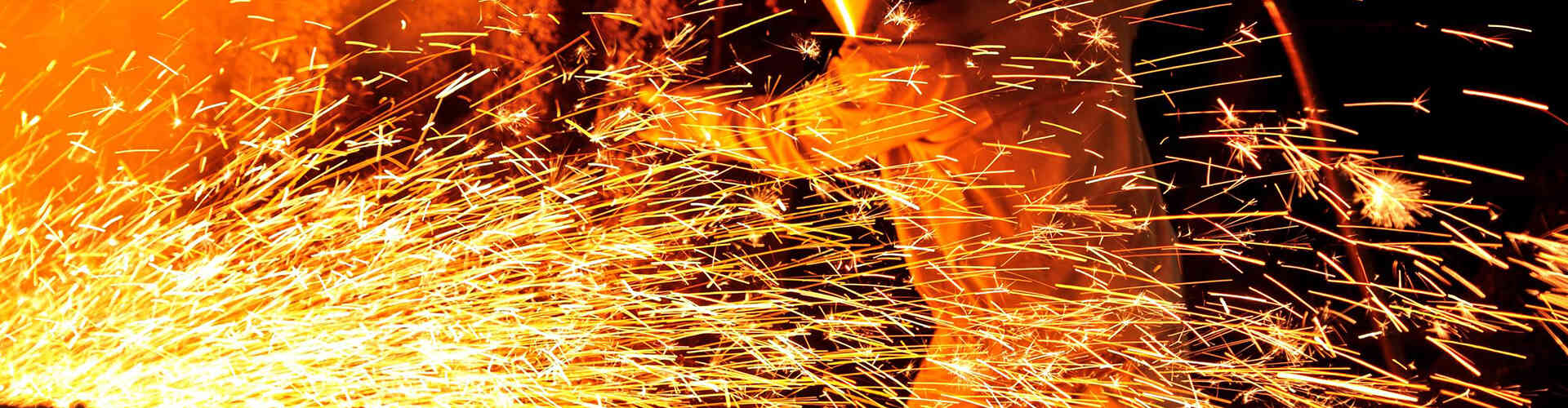
Wypełnienie tłumika to specjalistyczny materiał odporny na wysoką temperaturę i pochłaniający dźwięk, montowany wewnątrz tłumików układu wydechowego. Jego głównym zadaniem jest redukcja hałasu wydechu, kontrolowanie częstotliwości dźwięku, zarządzanie wpływem ciepła oraz utrzymanie stabilnej pracy układu wydechowego podczas eksploatacji.
W przeciwieństwie do zewnętrznej metalowej obudowy tłumika, wewnętrzny materiał wypełniający odpowiada za kontrolowanie właściwości akustycznych. Gdy spaliny przepływają przez perforowaną rurę wewnątrz tłumika, impulsy ciśnienia tworzą fale dźwiękowe. Wypełnienie tłumika otacza tę rurę i pochłania część energii akustycznej dzięki swojej strukturze włóknistej lub metalowej.
Wielu kupujących szukających wypełnienia tłumika zadaje proste pytanie: z czego wykonane jest wypełnienie tłumika? Odpowiedź zależy od zastosowania układu wydechowego. Typowe materiały obejmują włókno szklane, przędzę z włókna szklanego, wełnę ze stali nierdzewnej, włókno ceramiczne, włókno bazaltowe, siatkę ze stali nierdzewnej oraz specjalnie zaprojektowane struktury kompozytowe.
Właściwy materiał zależy od kilku czynników, w tym temperatury spalin, typu silnika, prędkości przepływu gazów, poziomu drgań, wymaganej redukcji hałasu, oczekiwanej trwałości oraz metody montażu.
BSTFLEX produkuje różne rozwiązania w zakresie wypełnień układów wydechowych dla tłumików motocyklowych, sportowych układów wydechowych, tłumików ATV/UTV, samochodowych układów wydechowych oraz produkcji tłumików OEM. Powiązane produkty można znaleźć w kategorii Wypełnienie tłumika.
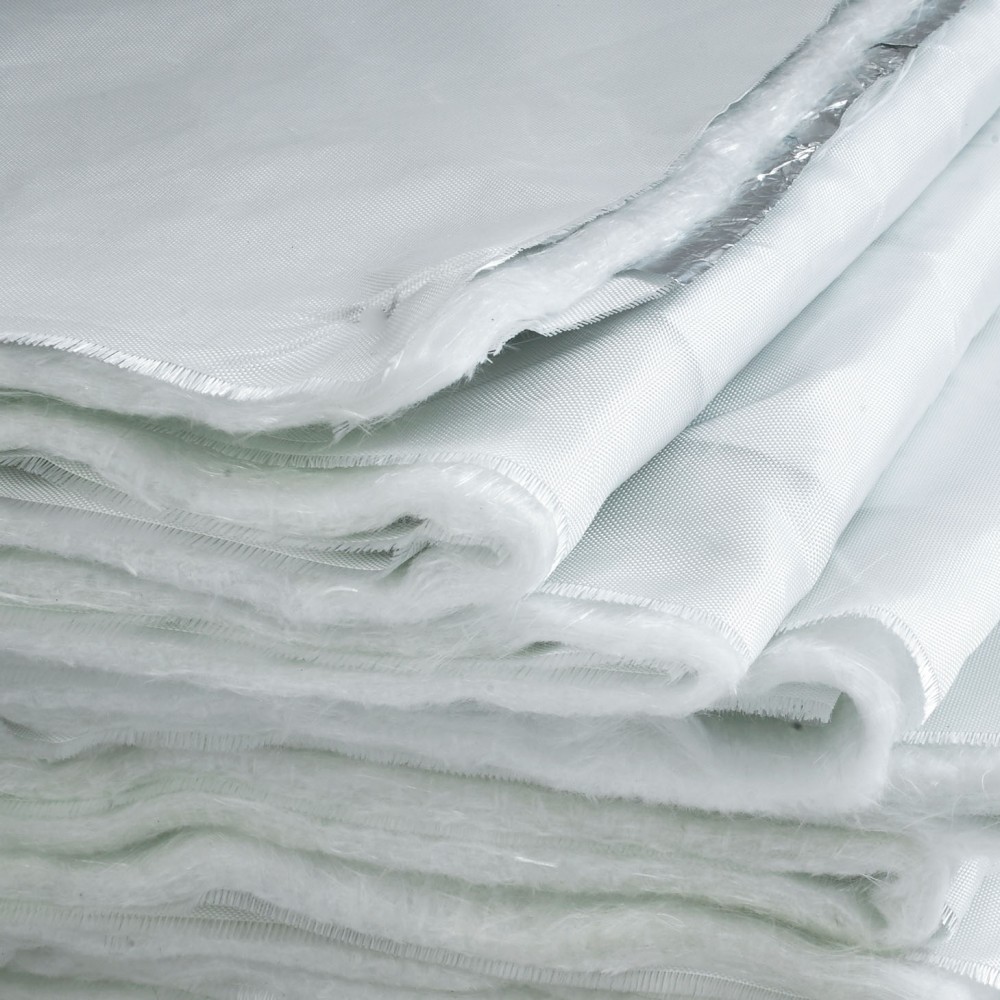
Przed zrozumieniem materiałów ważne jest zrozumienie funkcji wypełnienia tłumika.
Typowy tłumik absorpcyjny zawiera perforowaną rurę wewnętrzną otoczoną odpornym na wysoką temperaturę materiałem wypełniającym. Spaliny przepływają przez perforowaną rurę, podczas gdy fale dźwiękowe przechodzą przez otwory do otaczającej warstwy wypełnienia.
Materiał wypełniający pełni kilka funkcji:
Struktura materiału określa skuteczność wykonywania tych funkcji. Drobne włókna zazwyczaj zapewniają lepszą absorpcję dźwięku, natomiast struktury metalowe zapewniają większą trwałość mechaniczną.
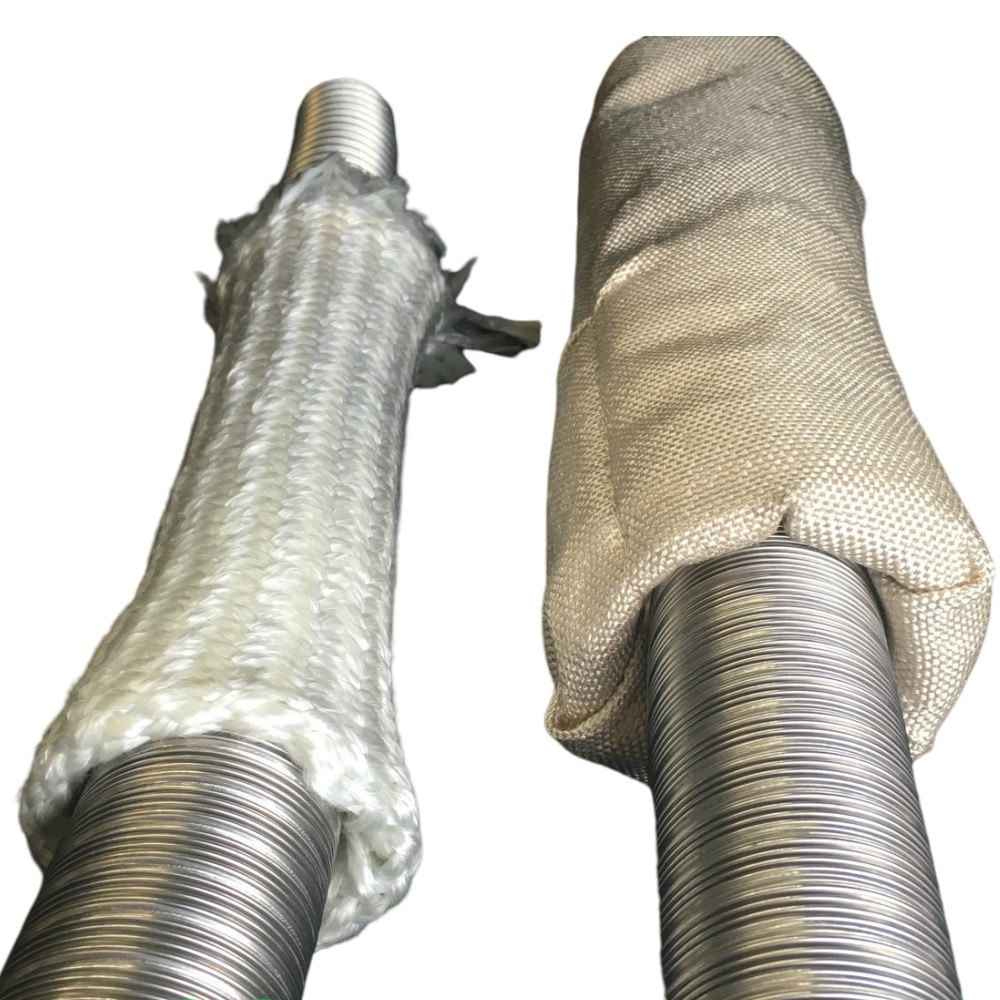
Chociaż można stosować wiele materiałów, profesjonalni producenci układów wydechowych wykorzystują głównie kilka kategorii materiałów odpornych na wysoką temperaturę.
Włókno szklane jest najczęściej stosowanym materiałem do wypełniania tłumików w samochodowych i motocyklowych układach wydechowych.
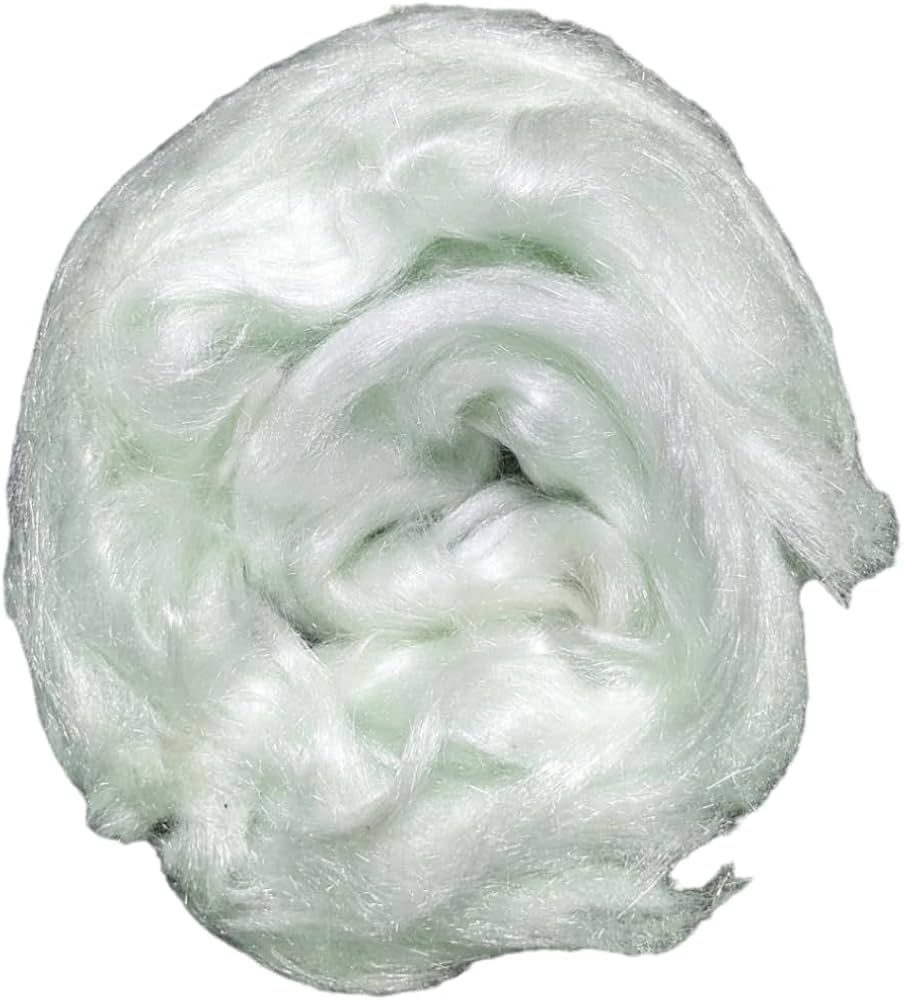
Jest produkowane z włókien szklanych przetwarzanych w różne formy, w tym luźne włókna, przędzę z włókna szklanego, matę z włókna szklanego, rolkę z włókna szklanego, worek z włókna szklanego oraz skarpetę wypełniającą z włókna szklanego.
Powodem szerokiego zastosowania włókna szklanego jest zapewnienie zrównoważonego połączenia:
Gdy fale dźwiękowe spalin wnikają w strukturę włókna szklanego, energia jest przekształcana poprzez tarcie między włóknami. Zmniejsza to hałas i tworzy łagodniejsze brzmienie wydechu.
Włókno szklane jest powszechnie stosowane do:
Aby ułatwić montaż i poprawić utrzymanie włókien, włókno szklane może być również produkowane jako zamknięta struktura.
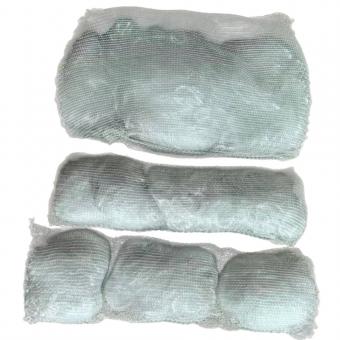
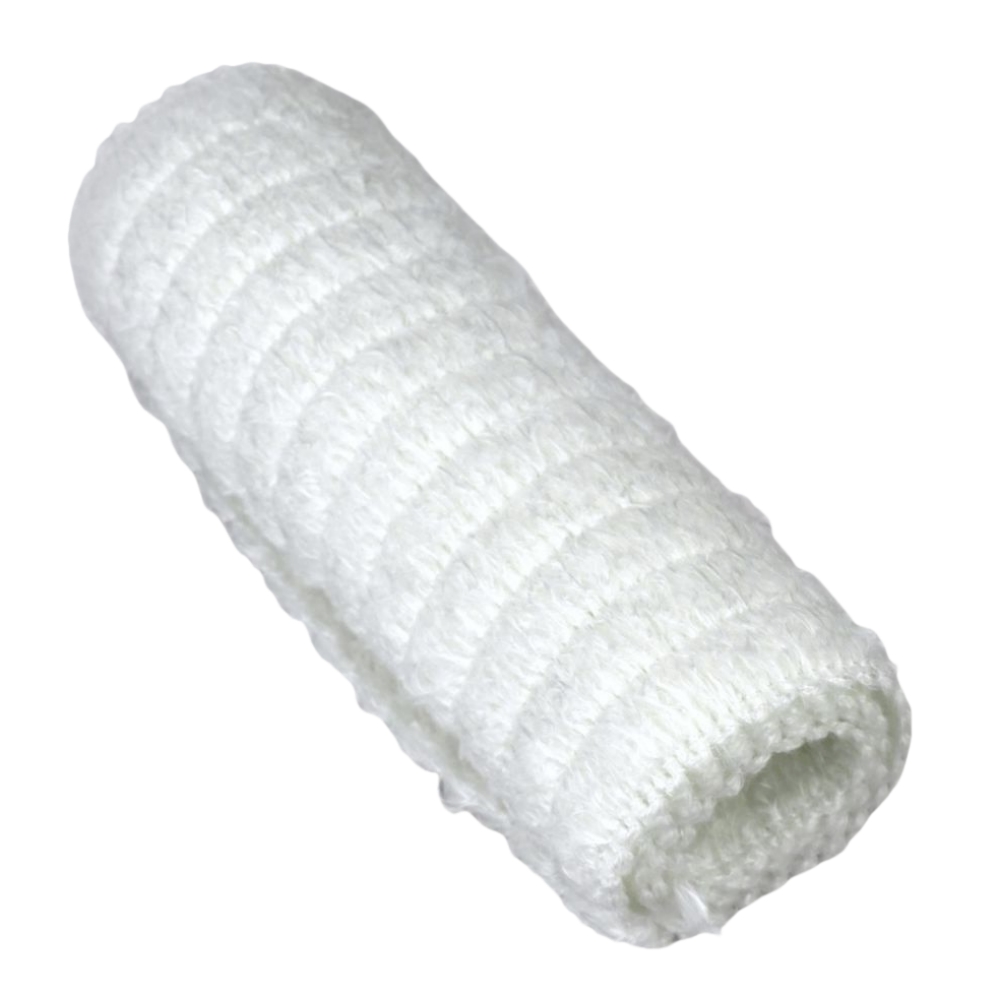
Skarpeta wypełniająca tłumik z włókna szklanego z tkaną torbą z siatki szklanej wykorzystuje zewnętrzną tkaną torbę z siatki z włókna szklanego z wewnętrznym wypełnieniem z przędzy z włókna szklanego. Taka konstrukcja pomaga utrzymać materiał wypełniający w uporządkowany sposób i poprawia spójność montażu.
Przędza z włókna szklanego to kolejna forma materiału wypełniającego tłumiki na bazie włókna szklanego.
W porównaniu z luźnym włóknem szklanym struktury przędzy zapewniają lepszą obsługę i stabilność wymiarową. Ciągła struktura włókien pomaga ograniczyć przemieszczanie się włókien i poprawia wydajność montażu.
Wypełnienie z przędzy z włókna szklanego jest często stosowane w:
Dla producentów przędza z włókna szklanego umożliwia dokładniejszą kontrolę masy wypełnienia, grubości i gęstości upakowania.
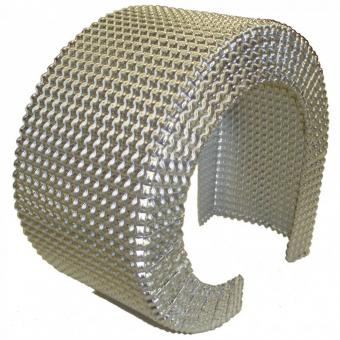
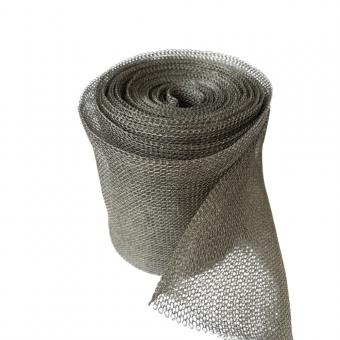
Wełna ze stali nierdzewnej to metalowy materiał wypełniający tłumików przeznaczony do zastosowań wymagających większej wytrzymałości mechanicznej i lepszego utrzymania materiału.
W przeciwieństwie do włókna szklanego wełna ze stali nierdzewnej nie opiera się na delikatnej strukturze włókien. Zapewnia doskonałą odporność na erozję powodowaną przez gazy spalinowe, drgania i bezpośrednie działanie wysokiej temperatury.
Wełna ze stali nierdzewnej jest powszechnie stosowana:
W wielu zaawansowanych konstrukcjach układów wydechowych wełna ze stali nierdzewnej nie jest stosowana jako zamiennik włókna szklanego. Zamiast tego współpracuje z włóknem szklanym.
Warstwa ze stali nierdzewnej chroni wewnętrzny obszar, podczas gdy włókno szklane zapewnia główną funkcję pochłaniania dźwięku.
Włókno ceramiczne jest wybierane, gdy wymagana jest większa odporność na temperaturę.
W porównaniu z włóknem szklanym włókno ceramiczne zapewnia lepszą wydajność w środowiskach ekstremalnie wysokich temperatur. Jest powszechnie stosowane w przemysłowych układach wydechowych, wysokotemperaturowych tłumikach i specjalnych zastosowaniach, w których standardowe materiały z włókna szklanego mogą zbyt szybko ulegać degradacji.
Główne zalety obejmują:
Jednak włókno ceramiczne nie zawsze jest konieczne w standardowych zastosowaniach układów wydechowych motocykli lub samochodów. Wybór materiału powinien opierać się na rzeczywistych wymaganiach temperaturowych.
Włókno bazaltowe jest wytwarzane ze skały wulkanicznej i zapewnia połączenie odporności na wysoką temperaturę, trwałości oraz stabilności chemicznej.
Jest stosowane w niektórych wysokotemperaturowych zastosowaniach układów wydechowych, gdzie nabywcy wymagają alternatywy dla tradycyjnego włókna szklanego.
Włókno bazaltowe może zapewnić:
Nowoczesne układy wydechowe coraz częściej wykorzystują kompozytowe struktury wypełnienia zamiast pojedynczego materiału.
Kompozytowy system wypełnienia tłumika może obejmować:
| Warstwa | Materiał | Funkcja |
|---|---|---|
| Wewnętrzna warstwa ochronna | Wełna ze stali nierdzewnej lub siatka ze stali nierdzewnej | Chroni przed bezpośrednim oddziaływaniem spalin |
| Główna warstwa akustyczna | Włókno szklane lub przędza z włókna szklanego | Pochłania fale dźwiękowe |
| Warstwa odporna na wysoką temperaturę | Włókno ceramiczne lub specjalny materiał izolacyjny | Poprawia odporność na ciepło |
| Warstwa utrzymująca wypełnienie | Worek lub rękaw z siatki z włókna szklanego | Utrzymuje stabilną pozycję wypełnienia |
Wybór niewłaściwego materiału wypełnienia tłumika może powodować kilka problemów:
Na przykład standardowy materiał wypełniający z włókna szklanego może dobrze działać w motocyklu ulicznym, ale szybciej ulec zużyciu w wyścigowym układzie wydechowym narażonym na ekstremalną prędkość przepływu gazów. W takiej sytuacji dodanie wzmocnienia z wełny ze stali nierdzewnej może znacząco poprawić trwałość.
| Zastosowanie | Zalecany materiał |
|---|---|
| Układ wydechowy motocykla ulicznego | Wypełnienie tłumika z włókna szklanego lub skarpeta z wypełnieniem z włókna szklanego |
| Wydajny układ wydechowy motocykla | Włókno szklane ze wzmocnieniem z wełny ze stali nierdzewnej |
| Układ wydechowy ATV i UTV | Wypełnienie z włókna szklanego o kontrolowanej gęstości |
| Wyścigowy układ wydechowy | Kompozytowa struktura ochronna z włókna szklanego i metalu |
| Przemysłowy tłumik wydechowy | Włókno szklane, włókno ceramiczne lub dostosowana konstrukcja |
| Produkcja tłumików OEM | Dostosowane wstępnie uformowane elementy wypełniające |
Tradycyjne luźne wypełnienie z włókna szklanego jest szeroko stosowane, ponieważ jest elastyczne i ekonomiczne. Jednak luźne włókna wymagają starannego montażu, aby uzyskać równomierną gęstość.
Skarpeta z wypełnieniem z włókna szklanego do tłumika rozwiązuje wiele problemów montażowych, ponieważ utrzymuje włókna wewnątrz tkanej struktury.
Zalety obejmują:
Dla profesjonalnych producentów układów wydechowych i dostawców zestawów do ponownego wypełniania, zamknięta struktura z włókna szklanego może poprawić wydajność produkcji i zmniejszyć różnice podczas montażu.
BSTFLEX dostarcza różne materiały do wypełnienia tłumików zgodnie z wymaganiami konstrukcji układu wydechowego.
Dostępne rozwiązania obejmują:
Produkty można dostosować zgodnie ze średnicą tłumika, rozmiarem rdzenia, gęstością wypełnienia, masą wypełnienia, długością, grubością, wymaganiami dotyczącymi opakowania i warunkami zastosowania.
Aby uzyskać dokładną wycenę i rekomendację techniczną, prosimy podać:
Wypełnienie tłumika jest wykonane z różnych materiałów odpornych na wysoką temperaturę, w tym z włókna szklanego, przędzy z włókna szklanego, wełny ze stali nierdzewnej, włókna ceramicznego, włókna bazaltowego i struktur kompozytowych.
W większości układów wydechowych włókno szklane pozostaje najczęściej stosowanym materiałem, ponieważ zapewnia doskonałą absorpcję dźwięku i praktyczną odporność na ciepło. Wełna ze stali nierdzewnej poprawia trwałość i utrzymanie wypełnienia w trudnych zastosowaniach. Włókno ceramiczne wybiera się, gdy wymagana jest ekstremalna odporność na temperaturę.
Najlepszy materiał do wypełnienia tłumika jest określany na podstawie pełnej konstrukcji układu wydechowego. Wybór materiału powinien uwzględniać temperaturę, wymagania dotyczące dźwięku, prędkość przepływu gazów, wibracje, metodę montażu i przewidywaną żywotność.
BSTFLEX zapewnia niestandardowe rozwiązania w zakresie wypełnienia układów wydechowych dla producentów układów wydechowych do motocykli, dostawców motoryzacyjnych, marek sportowych układów wydechowych, dystrybutorów i klientów OEM.
Włókno szklane jest najczęściej stosowanym materiałem do wypełnienia tłumików, ponieważ zapewnia dobrą absorpcję dźwięku, odporność na ciepło i efektywność kosztową.
Tak. Wiele produktów do wypełnienia tłumików wykorzystuje włókno szklane lub przędzę z włókna szklanego, ponieważ materiały te zapewniają doskonałe pochłanianie dźwięku wewnątrz tłumików układu wydechowego.
Wełna ze stali nierdzewnej może być stosowana w niektórych zastosowaniach, ale często łączy się ją z włóknem szklanym, ponieważ oba materiały zapewniają różne zalety.
Włókno ceramiczne jest często wybierane do zastosowań w ekstremalnych temperaturach, ponieważ zapewnia wyższą stabilność termiczną niż standardowe włókno szklane.
W przypadku większości motocykli wypełnienie tłumika z włókna szklanego lub skarpety wypełniające z włókna szklanego zapewniają najlepszą równowagę między kontrolą dźwięku, odpornością na ciepło i łatwością montażu.

No.10, Chuangxin North Road, Nanshan Park, Ningguo Economic and Technological Development Zone, Ningguo City, Anhui Province, China
tel/Whatsapp : 0086-15856303740
e-mail : sales@bstbraidedsleeve.com
Skype : vanesa-cheng