czego szukasz?
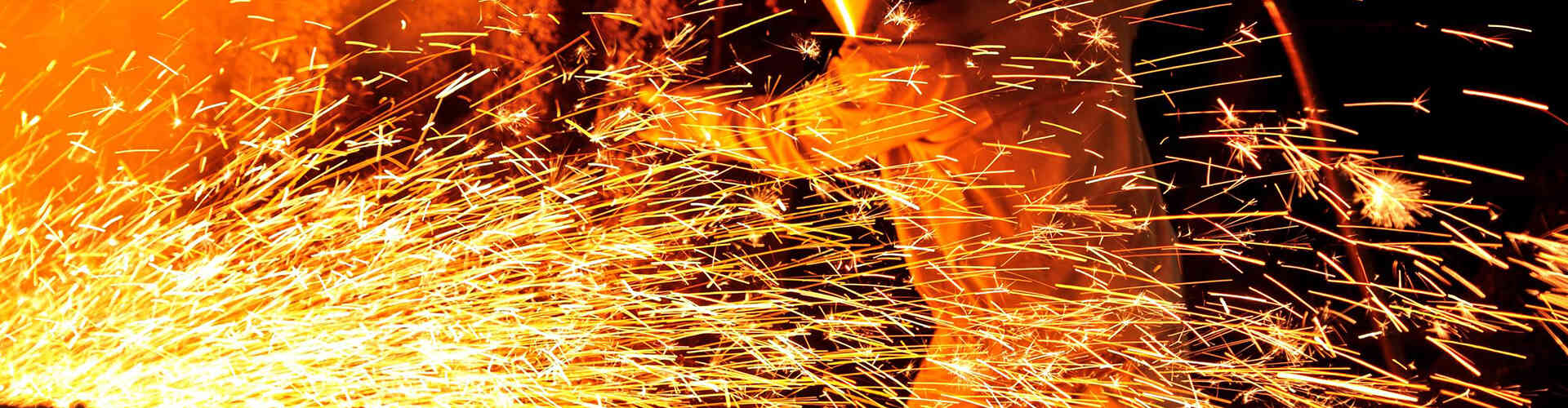
Rura wydechowa turbosprężarki to jeden z najbardziej nagrzewających się elementów układu wydechowego z turbodoładowaniem. Znajdująca się bezpośrednio za wylotem turbosprężarki, rura wydechowa przenosi znaczną ilość energii cieplnej przez komorę silnika i może wpływać na pobliskie okablowanie, przewody, czujniki, elementy dolotowe i otaczające je konstrukcje.
Dobrze dobranyowijka termiczna rury spustowej turbosprężarkipomaga zmniejszyć narażenie na promieniowanie cieplne i poprawia zarządzanie termiczne wokół elementów układu wydechowego narażonych na wysokie temperatury.
Jednak wybór odpowiedniego materiału osłony układu wydechowego wymaga czegoś więcej niż tylko wybrania najwyższej temperatury. Należy wziąć pod uwagę rzeczywistą temperaturę pracy, konstrukcję rury, środowisko instalacji oraz wymagania konserwacyjne.
BSTFLEX produkujeOwijka termiczna układu wydechowego i kolektorado zastosowań w motoryzacji, wyścigach, motocyklach, silnikach Diesla i przemysłowych systemach ochrony termicznej układu wydechowego.
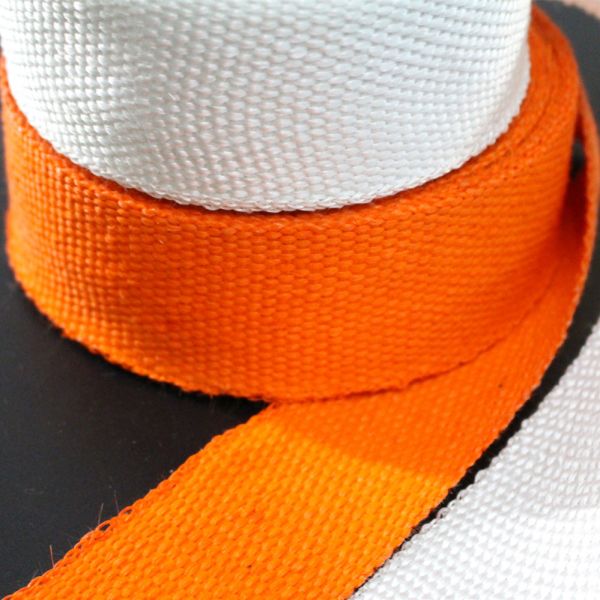
Układy wydechowe z turbodoładowaniem generują skoncentrowane ciepło wokół:
wyloty turbosprężarki;
rury spustowe;
kolektory wydechowe;
rurociągi po stronie gorącej;
obszary konwerterów katalitycznych.
Ciepło to może oddziaływać na znajdujące się w pobliżu podzespoły, w tym:
wiązki przewodów;
węże gumowe;
przewody hamulcowe;
części plastikowe;
układy dolotowe;
izolacja komory silnika.
W przeciwieństwie do tradycyjnej rury wydechowej umieszczonej w większej odległości od wrażliwych elementów, rura wydechowa turbosprężarki jest często instalowana w bardzo ograniczonej przestrzeni.
Z tego powodu wiele aplikacji wydajnościowych i OEM wykorzystujeowijka termiczna rury spustowejaby kontrolować wymianę ciepła.
Celem owijki wydechowej jest odprowadzanie ciepła. Nie jest ona przeznaczona do naprawy pęknięć, nieszczelności ani uszkodzonych podzespołów układu wydechowego.
Różne układy wydechowe wymagają różnych materiałów izolacyjnych.
Do najpopularniejszych opcji należą:
Owijka wydechu z włókna szklanego
Owijka wydechu tytanowa
Owijka wydechowa z krzemionki
Każdy materiał ma inne właściwości.
Uproszczone podejście do selekcji:
Owijka wydechu z włókna szklanego
Nadaje się do ogólnej izolacji spalin w miejscach, gdzie wymagania temperaturowe są umiarkowane.
Owijka wydechu tytanowa
Nadaje się do układów wydechowych wymagających wyższej odporności na temperaturę i doskonałej trwałości.
Owijka wydechowa z krzemionki
Przeznaczony do zastosowań w układach wydechowych pracujących w ekstremalnych temperaturach, w których wymagana jest dodatkowa ochrona termiczna.
Wybór właściwego materiału powinien być zawsze dokonywany na podstawie rzeczywistych warunków panujących w układzie wydechowym.
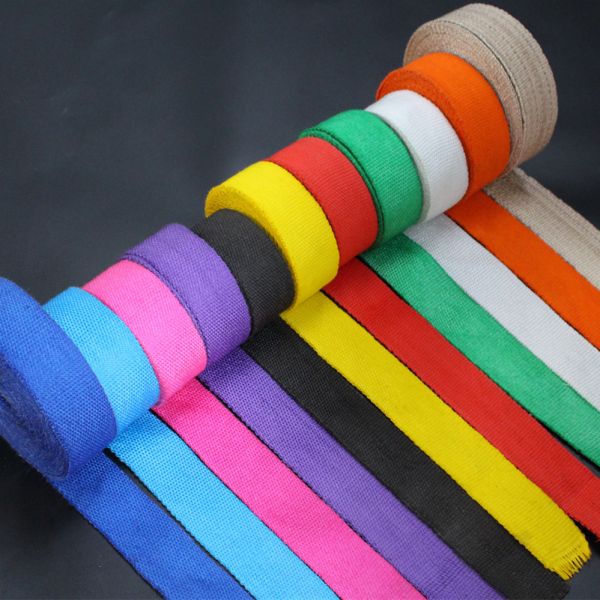
Osłona układu wydechowego z włókna szklanego jest powszechnie stosowana, ponieważ zapewnia praktyczną równowagę między wydajnością termiczną, elastycznością i ceną.
Może być stosowany do rur spustowych turbosprężarki, gdy:
temperatura spalin mieści się w granicach wytrzymałości materiału;
pojazd jest wykorzystywany głównie do jazdy po ulicach;
komora silnika ma wystarczającą przestrzeń termiczną;
nie przewiduje się ekstremalnych warunków wyścigowych.
Osłonę z włókna szklanego można łatwo zamontować wokół:
proste odcinki rury spustowej;
większa rura wydechowa;
umiarkowane zakręty.
BSTFLEX dostarczaOwijka wydechu z włókna szklanegodo zastosowań w motoryzacji i układach wydechowych przemysłowych.
W przypadku standardowych zastosowań turbosprężarek włókno szklane może zapewnić skuteczną redukcję ciepła bez zbędnych ulepszeń materiału.
Owijka wydechu tytanowajest powszechnie wybierany w układach wydechowych o wysokiej wydajności.
Jest szeroko stosowany w przypadku:
rury spustowe turbosprężarki;
kolektory wydechowe;
pojazdy o wysokich osiągach;
układy wydechowe do wyścigów;
układy wydechowe motocyklowe.
W porównaniu ze standardową osłoną z włókna szklanego, osłona wydechu wykonana z tytanu jest powszechnie wybierana, gdy kupujący wymagają:
wyższa odporność na ciepło;
doskonała wydajność cykli termicznych;
trwała konstrukcja tkana;
wygląd premium.
BSTFLEX produkujeCzarna tytanowa owijka rury wydechowejdo zastosowań wymagających izolacji spalin w wysokiej temperaturze.
Typowe zastosowania obejmują:
rury spustowe turbosprężarki;
kolektory wydechowe;
nagłówki;
elementy układu wydechowego po stronie gorącej.
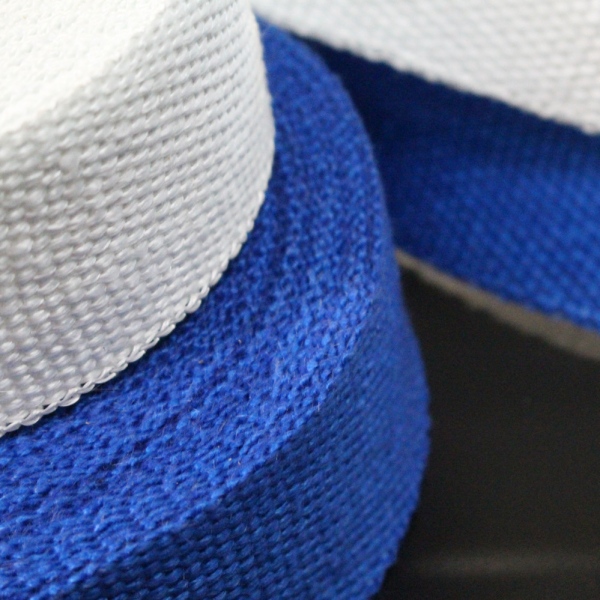
Niektóre układy turbodoładowania pracują przy ekstremalnie wysokich obciążeniach cieplnych.
Przykłady obejmują:
silniki wyścigowe;
aplikacje o wysokim wzmocnieniu;
pojazdy wytrzymałościowe;
silniki wysokoprężne o dużej wytrzymałości;
przemysłowe systemy turbo.
W przypadku tych środowiskowijka wydechowa z krzemionkizapewnia ochronę przed wyższą temperaturą.
Owijka krzemionkowa jest powszechnie wybierana do:
kolektory turbosprężarki;
rury spustowe do ekstremalnych temperatur;
układy wydechowe o ograniczonym prześwicie;
zastosowania wymagające dodatkowego marginesu termicznego.
BSTFLEX produkujeOsłona termiczna kolektora wydechowego Inferno High Temperaturedo środowisk o wysokiej temperaturze spalin.
| Tworzywo | Typowe zastosowanie | GłównyKorzyść |
|---|---|---|
| Owijka wydechu z włókna szklanego | Ogólne układy turbodoładowania i wydechowe | Ekonomiczna ochrona termiczna |
| Owijka wydechu tytanowa | Rury spustowe i kolektory o wysokiej wydajności | Wyższa zdolność do wytrzymywania wysokich temperatur i trwałość |
| Owijka wydechowa z krzemionki | Zastosowania w ekstremalnych temperaturach | Maksymalna ochrona termiczna |
Najlepszy materiał zależy od:
temperatura spalin;
przestrzeń instalacyjna;
użytkowanie pojazdu;
wymagany okres użytkowania;
wymagania konserwacyjne.
Wyższa temperatura pracy nie zawsze jest najlepszym wyborem, jeśli dane zastosowanie tego nie wymaga.
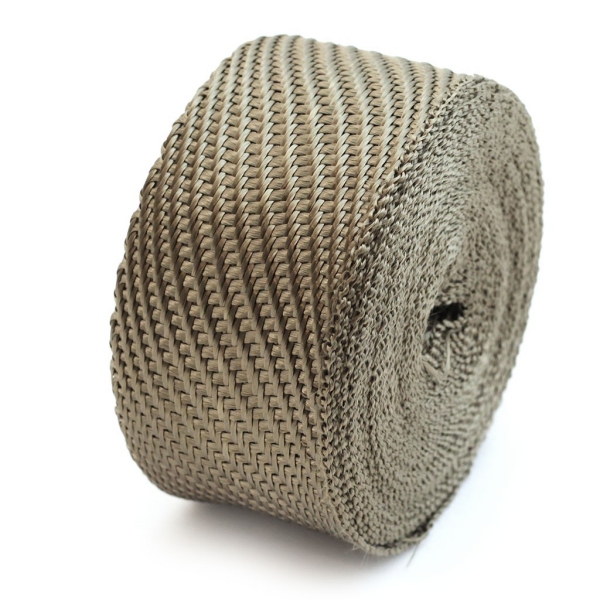
Rura spustowa turbosprężarki zwykle charakteryzuje się złożoną geometrią.
Przed instalacją należy wziąć pod uwagę:
Większe rury wymagają więcej materiału owijkowego, ponieważ mają większy obwód.
Dłuższe rury spustowe wymagają dłuższych rolek.
Na łuki zużywa się więcej materiału niż na odcinki proste.
Sprawdź odległość między owiniętą rurą a:
okablowanie;
węże;
czujniki;
panele nadwozia;
ruchome elementy.
Zastosowania w wysokich temperaturach zwykle wymagają solidnego mocowania przy użyciu odpowiednich metalowych opasek lub zacisków.
BSTFLEX może dostarczyć osłonę układu wydechowego wraz z odpowiednimi akcesoriami montażowymi spełniającymi wymagania producentów OEM i dystrybutorów.
Szerokość owijania ma wpływ zarówno na montaż, jak i zużycie materiału.
Polecane dla:
ciasne zakręty;
złożone rurociągi turbo;
rura o mniejszej średnicy;
ograniczona przestrzeń instalacyjna.
Zalety:
łatwiejsze pozycjonowanie;
lepsza elastyczność na zakrętach.
Polecane dla:
większe rury spustowe;
proste odcinki rur;
szybsza instalacja.
Zalety:
mniej zwojów spiralnych;
szybszy zasięg.
Prawidłowa szerokość zależy od rzeczywistej geometrii rury spustowej.
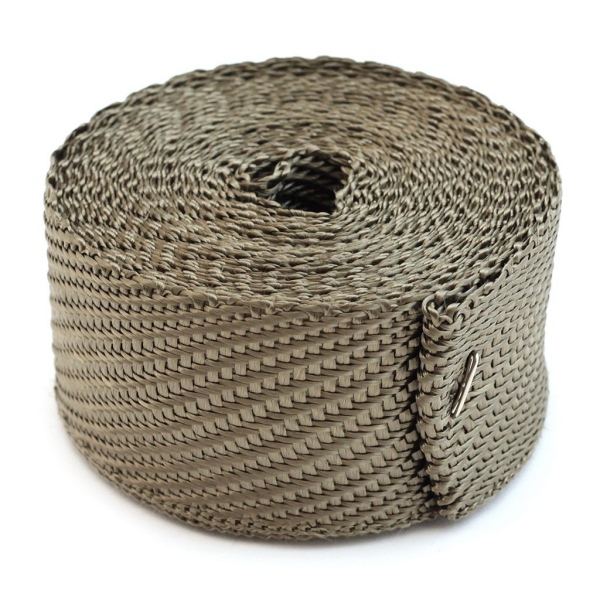
Wymagana kwota zależy od:
średnica zewnętrzna rury;
długość rury;
szerokość owijania;
zachodzić na siebie;
liczba zakrętów.
Do wykonania prostej rury potrzeba mniej materiału niż do wykonania skomplikowanej rury spustowej turbosprężarki z wieloma zakrętami.
Wskazówki dotyczące obliczeń można znaleźć tutaj:
Ile owijek na wydech potrzebuję? Kalkulator i przewodnik po rozmiarach owijek na wydech
W przypadku projektów OEM firma BSTFLEX może obliczyć przybliżone zapotrzebowanie na materiały na podstawie:
rysunki;
wymiary rur;
próbki;
roczna wielkość produkcji.
Osłona rury spustowej turbosprężarki i osłona turbosprężarki chronią różne obszary.
Wokół obudowy turbosprężarki montowana jest osłona turbosprężarki.
Za turbosprężarką wokół rury wydechowej montuje się opaską termiczną.
W niektórych zastosowaniach wymagających wysokiej wydajności oba rozwiązania można stosować łącznie:
koc turbo do pochłaniania ciepła z obudowy turbiny;
owijka wydechowa do izolacji rury wylotowej.
Prawidłowa kombinacja zależy od rozmieszczenia termicznego układu silnika.
Osłony układu wydechowego i metalowe osłony termiczne rozwiązują problemy związane z temperaturą w różny sposób.
Zalety:
podąża za skomplikowanymi kształtami rur;
wymaga ograniczonej przestrzeni instalacyjnej;
zapewnia bezpośrednią izolację wokół rury.
Zalety:
zapewnia szczelinę powietrzną;
blokuje kierunkowe promieniowanie cieplne;
umożliwia łatwiejszą inspekcję i demontaż.
Niektóre aplikacje mogą wymagać połączenia następujących elementów:
owijka wydechu;
odblaskowe osłony termiczne;
zdejmowane koce izolacyjne.
NIE.
Prawidłowe rozwiązanie termiczne zależy od:
temperatura spalin;
materiał rury;
otaczające elementy;
użytkowanie pojazdu;
wymagania konserwacyjne.
Pojazd drogowy z odpowiednim prześwitem może nie wymagać takiego samego poziomu izolacji jak pojazd wyścigowy lub silnik przemysłowy.
Celem jest kontrolowane zarządzanie ciepłem, a nie maksymalna grubość izolacji.
Firma BSTFLEX dostarcza produkty do izolacji spalin wysokotemperaturowych dla:
producenci samochodów;
dostawcy wyścigów;
marki motocykli;
producenci sprzętu z silnikiem Diesla;
firmy produkujące sprzęt przemysłowy;
rozdzielacze zabezpieczeń termicznych.
Dostępne opcje obejmują:
owijka wydechu z włókna szklanego;
owijka wydechu tytanowa;
owijka wydechowa z krzemionki;
niestandardowe szerokości;
niestandardowe długości rolek;
rolki luzem;
opakowania marek własnych;
Dostawa OEM.
Klienci mogą zapewnić:
rysunki układu wydechowego;
wymiary rur;
wymagania dotyczące temperatury;
warunki stosowania.
BSTFLEX może zalecić odpowiednią konstrukcję osłony wydechu dla danego środowiska termicznego.
Odkryj całośćGama osłon termicznych układu wydechowego i kolektora BSTFLEX.
Wybór najlepszego materiału zależy od temperatury pracy i wymagań danego zastosowania. Włókno szklane nadaje się do wielu zastosowań ogólnych, tytanowa osłona układu wydechowego jest powszechnie stosowana w układach o wysokiej wydajności, a krzemionkowa osłona układu wydechowego jest wybierana do ekstremalnych temperatur.
Tak, jeżeli temperatura robocza mieści się w zakresie dopuszczalnych parametrów materiału z włókna szklanego.
Tak. Osłona układu wydechowego wykonana z tytanu jest powszechnie stosowana w rurach wydechowych turbosprężarek, kolektorach wydechowych i wysokowydajnych układach wydechowych.
Zastosowanie owijki silikonowej na układ wydechowy należy rozważyć, gdy układ wydechowy jest narażony na ekstremalne temperatury lub wymaga dodatkowej ochrony termicznej.
Nie zawsze. Wymagany zasięg zależy od obszarów wrażliwych na ciepło, rozkładu temperatury i wymagań serwisowych.
Owijka o szerokości jednego cala przydaje się w przypadku skomplikowanych zagięć, natomiast owijka o szerokości dwóch cali jest powszechnie wybierana w przypadku większych i prostszych rur spustowych.
Tak. BSTFLEX obsługuje niestandardowe szerokości, długości rolek, opakowania i wymagania dotyczące dostaw OEM.

No.10, Chuangxin North Road, Nanshan Park, Ningguo Economic and Technological Development Zone, Ningguo City, Anhui Province, China
tel/Whatsapp : 0086-15856303740
e-mail : sales@bstbraidedsleeve.com
Skype : vanesa-cheng