czego szukasz?
Osłona termiczna kolektora wydechowego może pozostać w jednym kawałku, podczas gdy znajdujące się za nią złącze ulega przegrzaniu. Może ona również utrzymywać niską temperaturę pobliskich komponentów podczas krótkiego testu, a następnie pękać wokół otworów montażowych po wielokrotnym nagrzewaniu i wibracjach. Trwałość materiału i ochrona komponentów to odrębne wymagania. Udany projekt musi spełniać oba te warunki.
W przypadku ściśle dopasowanej osłony kolektora, praktycznym punktem wyjścia jest odpowiednio dobrana stal nierdzewna. Aluminium warto rozważyć w przypadku lekkich, oddalonych barier radiacyjnych, gdzie arkusz pozostaje w granicach swoich zweryfikowanych limitów operacyjnych. Stop 625, powszechnie nazywany Inconel 625, staje się kandydatem, gdy wytrzymałość w podwyższonej temperaturze, utlenianie lub zmęczenie cieplne ograniczają proponowaną konstrukcję ze stali nierdzewnej. Są to punkty wyjścia do oceny inżynieryjnej, a nie zamienne zatwierdzenia materiałowe.
Zapytanie ofertowe (RFQ) określające jedynie temperaturę gazów spalinowych nie ustala temperatury, którą musi wytrzymać osłona termiczna. Należy rozdzielić temperaturę gazu wewnątrz kolektora, zewnętrznej powierzchni kolektora, samej osłony oraz chronionego komponentu. Każda z nich odpowiada na inne pytanie projektowe.
Temperatura gazu opisuje cykl pracy silnika. Powierzchnia kolektora jest bezpośrednim zewnętrznym źródłem ciepła. Temperatura osłony określa, czy wybrany metal i konstrukcja pozostaną sprawne. Temperatura chronionego komponentu określa, czy system osłonowy osiągnął swój cel.
Wraz z danymi o temperaturze należy określić lokalizacje pomiarowe i warunki pracy. Odczyt ze środka osłony nie może ustalić stanu zaczepu montażowego połączonego z gorącym wspornikiem. Podobnie, krótki test przy silnym przepływie powietrza nie reprezentuje wszystkich warunków przy niskiej prędkości lub po wyłączeniu silnika.
Użytecznym wymaganiem nie jest zatem po prostu „wytrzymanie ciepła spalin”. Chodzi o utrzymanie określonych komponentów poniżej ich dopuszczalnych temperatur, podczas gdy osłona zachowuje swój prześwit, integralność mocowania i sprawność przez cały określony cykl pracy.
| Pozycja osłony lub problem projektowy | Materiał do oceny | Co należy zweryfikować |
|---|---|---|
| Uformowana osłona umieszczona blisko kolektora wydechowego | Gatunek stali nierdzewnej dobrany do rzeczywistych warunków termicznych i korozyjnych | Wytrzymałość na gorąco, utlenianie, trwałość mocowania i prześwit podczas pracy |
| Oddzielna bariera między kolektorem a okablowaniem, komponentami dolotowymi lub nadwoziem | Aluminium, gdzie pozwalają na to zmierzona temperatura i obciążenia mechaniczne | Przydatność stopu i jego stanu utwardzenia, stan powierzchni, ścieżki przewodzenia ciepła przez mocowania oraz temperatura po stronie chronionej |
| Kompaktowy zespół o wysokim obciążeniu z awariami materiałowymi w proponowanej konstrukcji ze stali nierdzewnej | Inconel 625, wraz z przeglądem kompletnego projektu osłony | Czy zmiana stopu rozwiązuje zidentyfikowany mechanizm awarii podczas reprezentatywnych testów |
| Osłona, która przetrwała, ale pozostawia pobliskie komponenty zbyt gorącymi | Przegląd pokrycia, odstępów i konstrukcji warstwowej przed zmianą metalu | Ciepło przechodzące wokół krawędzi, przewodzenie przez mocowania i temperatura chronionego komponentu |
„Stal nierdzewna” to rodzina materiałów, a nie kompletna specyfikacja wysokotemperaturowa. Gatunki różnią się zachowaniem podczas utleniania, rozszerzalnością cieplną, wytrzymałością w podwyższonej temperaturze i podatnością na obróbkę. dane dotyczące żaroodpornej stali nierdzewnej ilustrują, dlaczego właściwości specyficzne dla gatunku mają znaczenie; różne gatunki są przeznaczone do różnych kombinacji atmosfery, temperatury i obciążenia.
W przypadku osłony termicznej kolektora wydechowego należy ocenić te właściwości wraz z grubością blachy i konstrukcją mocowania. Gatunek wybrany ze względu na odporność na korozję w temperaturze pokojowej nie jest automatycznie najlepszym wyborem do powtarzalnej pracy w wysokiej temperaturze. Podobnie, gatunek żaroodporny nie eliminuje potrzeby oceny formowania, spoin lub naprężeń montażowych.
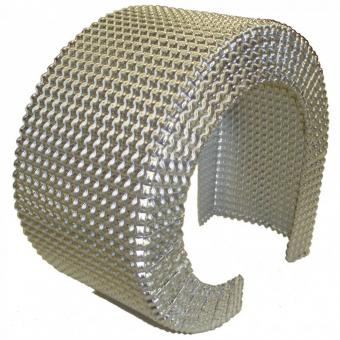
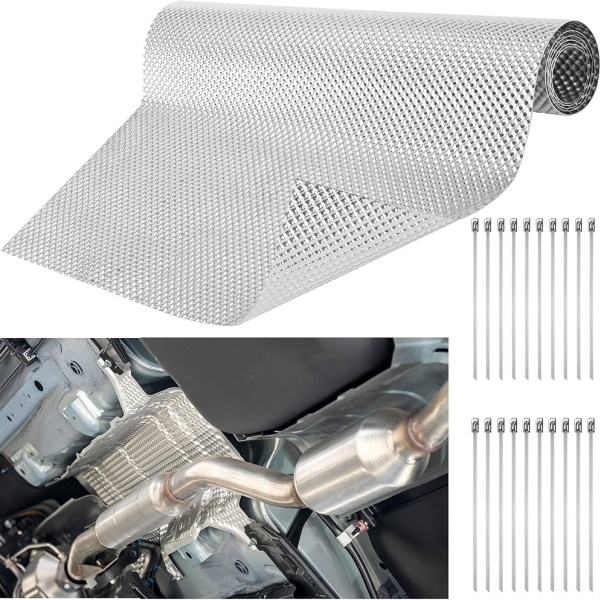
BSTFLEX tłoczony arkusz bariery termicznej ze stali nierdzewnej zapewnia opcję materiałową do produkcji niestandardowych osłon. W zapytaniu należy podać wymagany gatunek stali nierdzewnej lub określić go jako element wyboru, który zostanie uzgodniony przed pobraniem próbek.
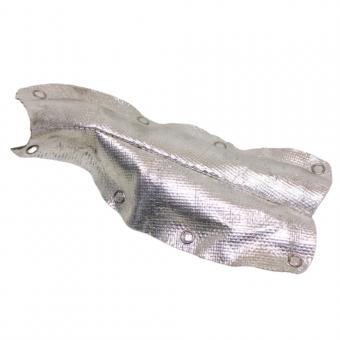
Aluminiowa osłona termiczna kolektora powinna być oceniana jako zainstalowany zespół, a nie akceptowana lub odrzucana wyłącznie dlatego, że znajduje się w pobliżu komponentu wydechowego. Istotnym pytaniem jest, czy wybrany stop aluminium, jego stan utwardzenia i geometria pozostają odpowiednie w temperaturach, które faktycznie osiąga arkusz.
Oddalona bariera chroniąca trasę okablowania lub zespół dolotowy stanowi inny problem niż ściśle dopasowana osłona z istotnym kontaktem z kolektorem. W przypadku tego pierwszego, tłoczony materiał osłony termicznej z aluminium oferuje formowalną opcję kontrolowania ekspozycji na promieniowanie. Jego stan powierzchni i przewodzące ścieżki mocowania nadal wymagają uwagi.
Nie zakładaj, że wybór mocniejszego gatunku aluminium sprawia, że nieodpowiednia instalacja staje się akceptowalna. Poproś o dane dotyczące właściwości w podwyższonej temperaturze dla wybranego stopu i stanu, a następnie zweryfikuj zmontowaną osłonę. Wytrzymałość w temperaturze pokojowej sama w sobie nie jest zatwierdzeniem do pracy w temperaturze operacyjnej.
Należy również odróżnić surowe tłoczone aluminium od izolowanego zespołu z aluminiową powłoką zewnętrzną. Deklaracja temperatury dla tego drugiego nie może być automatycznie przeniesiona na surowy arkusz.
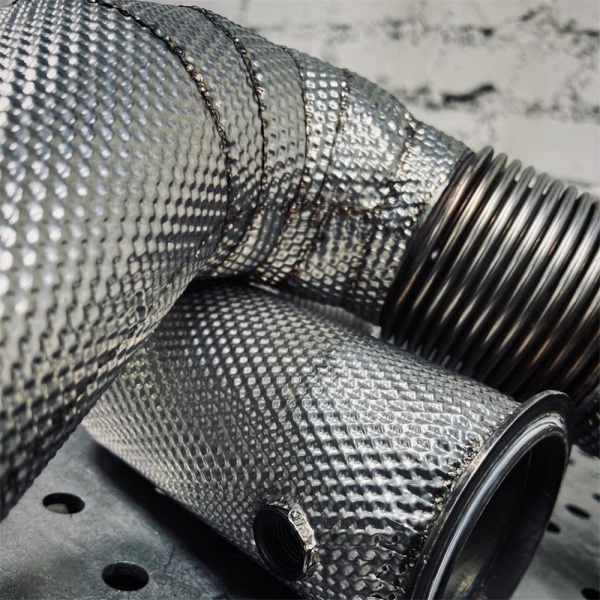
Alloy 625 to stop niklowo-chromowy z dodatkiem molibdenu i niobu.Biuletyn techniczny Special Metals dotyczący Alloy 625 dokumentuje jego właściwości mechaniczne w wysokich temperaturach, odporność na utlenianie oraz charakterystykę zmęczenia cieplnego. Właściwości te sprawiają, że jest to kandydat do rozważenia, gdy trwałość materiału ogranicza wymagający projekt osłony wydechu.
Powód, dla którego warto rozważyć materiał na osłonę termiczną BSTFLEX Alloy 625 Inconel powinien być konkretny: na przykład niewystarczająca wytrzymałość na gorąco lub pogorszenie właściwości związane z utlenianiem w przypadku proponowanej alternatywy. Sama etykieta sportowa lub wysoka moc silnika nie stanowią specyfikacji materiałowej.
Zmiana stopu nie poprawia automatycznie odbicia ciepła promieniowania ani nie obniża temperatury każdego pobliskiego komponentu. Jeśli ciepło omija zbyt małą osłonę lub przechodzi przez przewodzący wspornik, zmiana na Alloy 625 pozostawia tę ścieżkę przepływu ciepła bez zmian.
Porównaj proponowane konstrukcje w odniesieniu do tego samego cyklu pracy i limitów chronionych komponentów. Wybierz stop ze względu na udowodnione wymagania, a nie jako substytut rozwiązania problemów konstrukcyjnych instalacji.
Prześwit między głównym arkuszem a kolektorem nie eliminuje przewodzenia przez śruby, wypustki i wsporniki. Prześledź ścieżkę mocowania w ramach przeglądu termicznego. Osłona wsparta na gorącym występie kolektora i osłona wsparta na chłodniejszej sąsiedniej konstrukcji nie mają tych samych warunków brzegowych.
Określ lokalizacje mocowań, obszary styku i wymagania dotyczące elementów złącznych na rysunku. Każda podkładka dystansowa lub element izolacyjny musi być odpowiedni do obciążeń mechanicznych i termicznych; nie wystarczy włożyć nieokreśloną podkładkę i założyć, że ścieżka przepływu ciepła została rozwiązana.
Sprawdź osłonę z pozycji chronionego komponentu. Czy ten komponent nadal ma niezakłócony widok na gorący kanał, kołnierz lub kolektor? Osłona może zakrywać górę kolektora, pozostawiając odsłonięte złącze zamontowane z boku.
Tam, gdzie pokrycie jest niewystarczające, rozważ profil krawędzi lub położenie bariery przed wyborem droższego stopu. Zachowaj wentylację i dostęp serwisowy wymagany przez zespół.
Sprawdź minimalną szczelinę w całym zakresie pracy, a nie tylko na rysunku zimnego zespołu. Uwzględnij tolerancje produkcyjne, ruchy silnika, wibracje i rozszerzalność cieplną. Część, która podczas montażu nie dotyka kolektora, może się z nim zetknąć w innych warunkach.
Ograniczenia montażowe również zasługują na uwagę. Jeśli osłona i jej wsporniki próbują rozszerzać się w różny sposób, układ mocowania musi uwzględniać to zachowanie bez tworzenia niedopuszczalnych naprężeń lokalnych. Samo dodanie większej liczby elementów złącznych niekoniecznie jest rozwiązaniem.
Zwrócona część może pomóc w zdefiniowaniu kolejnego testu, ale jej wygląd nie stanowi pełnej analizy uszkodzeń.
Pęknięcia w pobliżu otworów montażowych uzasadniają sprawdzenie lokalnych ograniczeń, jakości krawędzi, styku elementów złącznych i wibracji. Odkształcenie na niepodpartym obszarze wymaga przeglądu temperatury, rozpiętości, geometrii i obciążenia. Cienienie związane z utlenianiem uzasadnia sprawdzenie stopu i warunków ekspozycji. Nienaruszona osłona z przegrzanym złączem za nią kieruje uwagę na pokrycie i ścieżki przenoszenia ciepła.
Te obserwacje prowadzą do różnych działań naprawczych. Nie traktuj każdego pęknięcia jako dowodu na to, że stal nierdzewną należy zastąpić Inconel, ani każdego problemu z temperaturą jako dowodu na to, że wymagany jest grubszy metal.
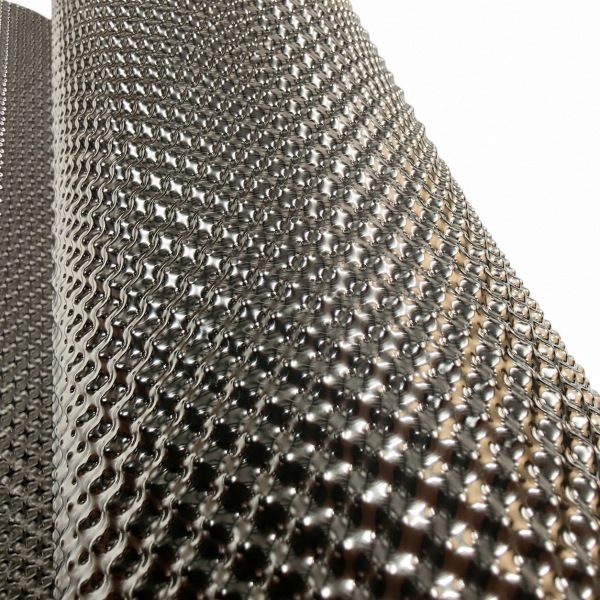
W przypadku tłoczonej blachy osłony termicznej, umieść grubość metalu bazowego i całkowitą wysokość wzoru na oddzielnych oznaczeniach rysunkowych. Przestrzeń zajmowana przez tłoczoną blachę to nie to samo, co grubość samego metalu.
BSTFLEX wymienia opcje blachy nierdzewnej, w tym 0,1 mm, 0,15 mm i 0,2 mm, wraz z niestandardowymi wzorami tłoczenia. Są to dostępne opcje materiałowe, a nie uniwersalne zalecenia dla osłony kolektora wydechowego. Wybierz konstrukcję w oparciu o wymiary uformowanej części, wsporniki i wymagania walidacyjne.
Porównując próbki, użyj spójnej metody pomiaru. Sprawdź uformowane obszary, wypustki montażowe i przycięte krawędzie, zamiast zatwierdzać materiał na podstawie pojedynczego pomiaru na nieuformowanym półfabrykacie.
Proponowany plan walidacji powinien oddzielnie odnosić się do ochrony termicznej i trwałości mechanicznej, a następnie badać, jak na siebie oddziałują. Uzgodnij kryteria akceptacji przed testem, aby wizualnie nienaruszona osłona nie została pomylona z w pełni udanym wynikiem.
Ochrona termiczna: Zapisz temperatury w krytycznych miejscach osłony i na chronionych komponentach podczas odpowiednich warunków stałego obciążenia, niskiego przepływu powietrza i po wyłączeniu silnika. Uwzględnij dopuszczalny czas trwania każdego przekroczenia temperatury.
Trwałość mechaniczna: Oceń uzgodnione cykle nagrzewania i chłodzenia przy reprezentatywnych warunkach wibracji i mocowania. Sprawdź pod kątem pęknięć, trwałego odkształcenia, przemieszczenia elementów złącznych i utraty prześwitu.
Ekspozycja środowiskowa: Uwzględnij testy na zanieczyszczenia, wilgoć lub korozję, jeśli wymaga tego instalacja. Ponownie oceń wynik termiczny po określonej ekspozycji, zamiast polegać tylko na czystej, nowej powierzchni.
Serwisowalność: Potwierdź, że zatwierdzony projekt nadal umożliwia wymagany dostęp do elementów złącznych, czujników i sąsiednich części serwisowych. Sprawdź, czy demontaż i ponowny montaż nie tworzą innych warunków mocowania.
Karty charakterystyki materiałów wspierają tę pracę, ale nie certyfikują gotowej osłony. Special Metals wyraźnie odróżnia typowe dane o właściwościach Alloy 625 od wymagań specyfikacji; tę samą dyscyplinę należy stosować przy przekształcaniu informacji o materiale w zatwierdzenie komponentu.
Nie. Kolektor i jego osłona pełnią różne funkcje i doświadczają różnych warunków. Określ osłonę pod kątem jej własnych wymagań dotyczących temperatury, obciążenia i ochrony, biorąc pod uwagę zachowanie mocowania i rozszerzalności całego zespołu.
Nie ma uniwersalnej szczeliny, która gwarantowałaby ochronę każdego kolektora. Należy ustalić wymagany prześwit od źródła ciepła, zakres pokrycia, przepływ powietrza, dopuszczalne temperatury komponentów oraz przewidywany ruch. Należy zweryfikować minimalną szczelinę w warunkach roboczych.
Nie. Stop Alloy 625 może być uzasadniony konkretnymi wymaganiami dotyczącymi wydajności materiału, ale nie naprawia on niewystarczającego pokrycia, nieodpowiednich mocowań ani nieodpowiedniej konstrukcji warstw. Sprawdzony projekt ze stali nierdzewnej może już spełniać wymagania.
Można ocenić te same rodziny metali, ale nie należy kopiować specyfikacji osłony kolektora bez przeanalizowania geometrii kolektora typu header. Układ kanałów, położenie kolektora, opcje montażu i pobliskie komponenty definiują inną instalację.
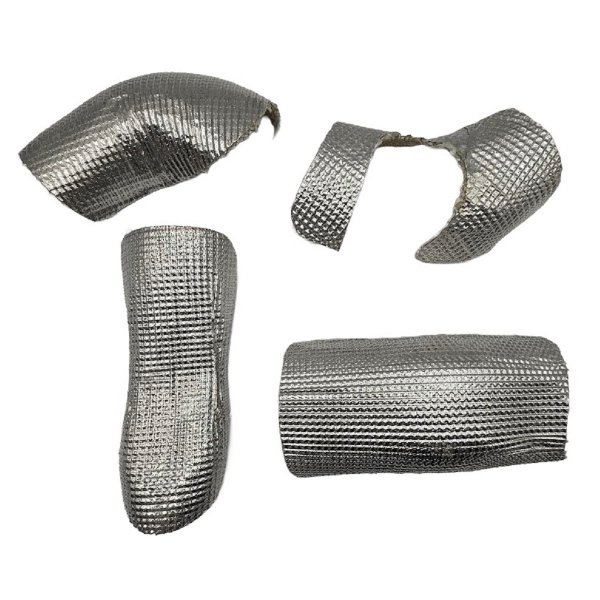
W przypadku projektu OEM, programu wymiany lub prototypu, prześlij rysunek kolektora lub model instalacji, komponent, który ma zostać zabezpieczony, oraz dostępny prześwit. Dołącz dane dotyczące temperatury wraz z miejscami pomiaru, wymaganą klasę materiału i stan, jeśli zostały już określone, grubość metalu bazowego, wymagania dotyczące tłoczenia oraz ilości prototypowe lub produkcyjne.
Określ, czy zapytanie dotyczy materiału w arkuszach, wyciętych półfabrykatów czy uformowanej osłony. BSTFLEX oferuje produkty w postaci osłon termicznych ze stali nierdzewnej, aluminium i stopu Alloy 625, z opcjami specyficznymi dla projektu, które należy potwierdzić na podstawie rysunku i zastosowania.
Prześlij swój rysunek osłony termicznej kolektora lub szczegóły próbki do BSTFLEX aby omówić dostawę materiałów, dostępne opcje konstrukcyjne oraz wycenę.

No.10, Chuangxin North Road, Nanshan Park, Ningguo Economic and Technological Development Zone, Ningguo City, Anhui Province, China
tel/Whatsapp : 0086-15856303740
e-mail : sales@bstbraidedsleeve.com
Skype : vanesa-cheng