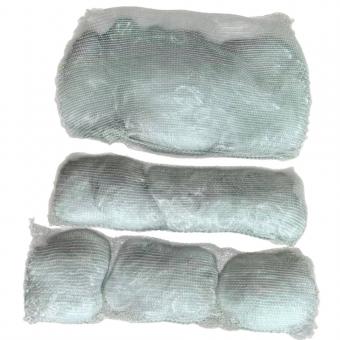
Aluminum heat shield tubing is not a single wall construction. A corrugated tube made from aluminum foil and a similar-looking tube lined with fiberglass present different material surfaces to the component inside. The purchasing decision should begin with that difference, not with the silver appearance.
For an automotive hose, control cable or wiring assembly, first identify the required job: an external reflective cover, a composite thermal barrier, or an air-transfer duct. This guide compares two corrugated heat protection tube constructions and explains what to confirm before substituting one for the other.
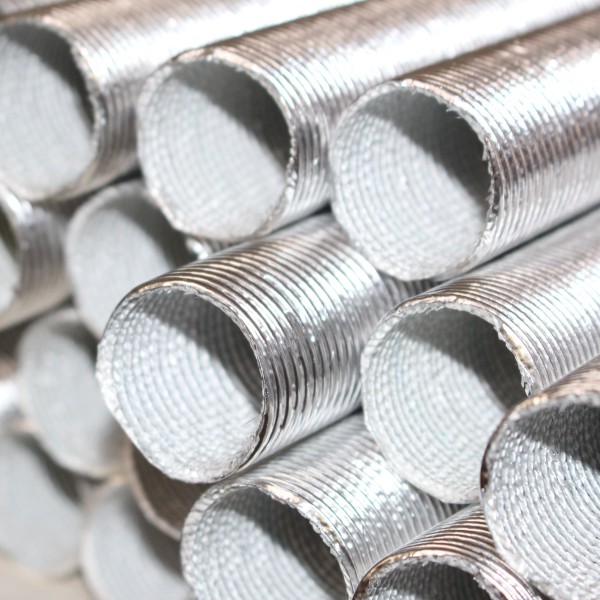
Two Corrugated Tubes, Two Wall Constructions
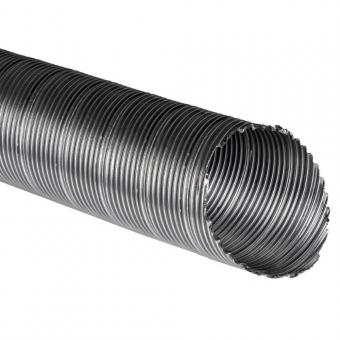
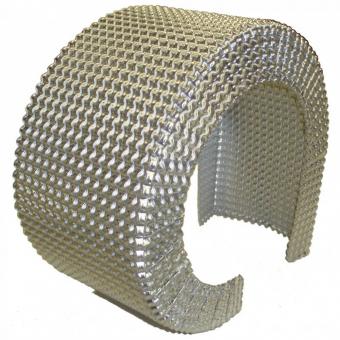
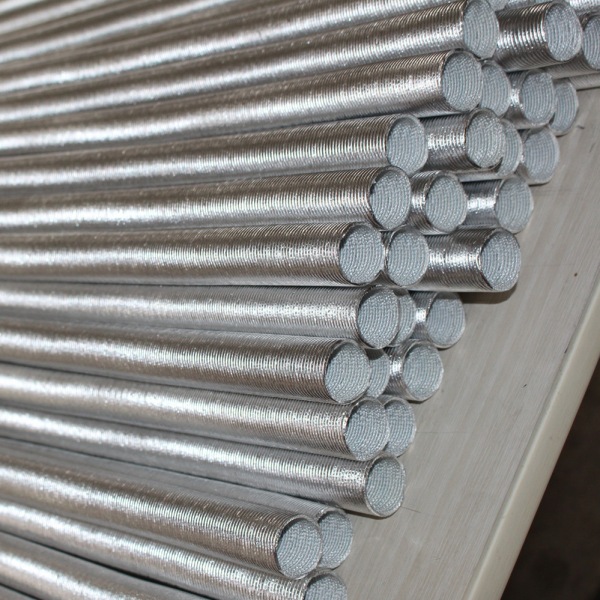
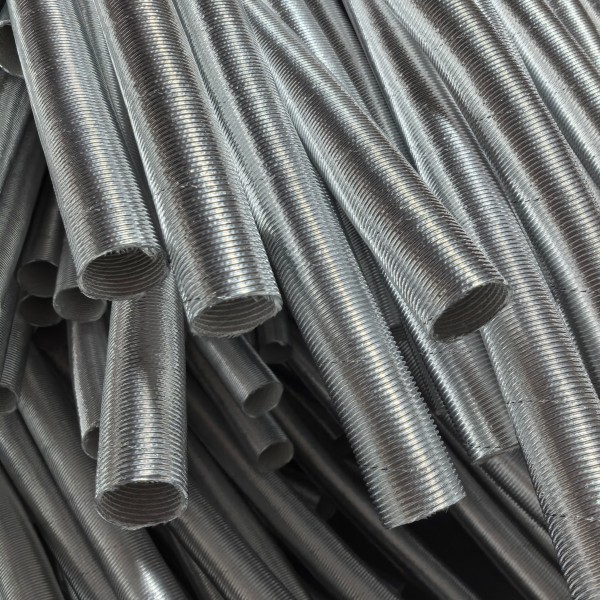
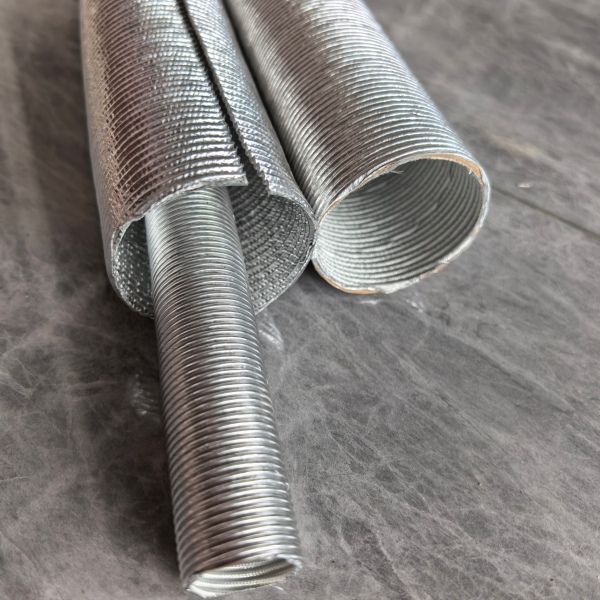
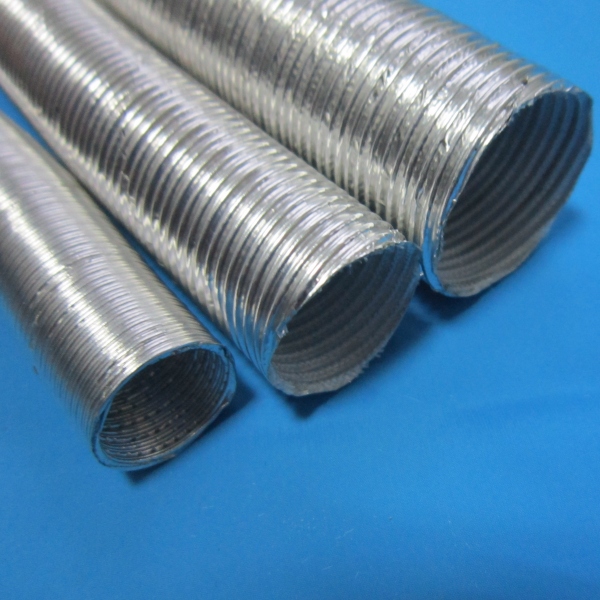
BSTFLEX lists Aluminum Foil Heat-Reflective Corrugated Sleeving with a three-layer aluminum foil wall. The separate Aluminum Foil Glassfibre Heat Protection Tube has a fiberglass inner layer and two aluminum layers outside it.
| Selection point | Foil-only corrugated sleeving | Fiberglass-lined corrugated tube |
|---|---|---|
| Listed wall construction | Three aluminum foil layers. | Fiberglass inside, aluminum in the middle and aluminum outside. |
| Surface facing the protected component | The inner aluminum surface. | The fiberglass layer. |
| Reason to evaluate it | The project calls for a formed aluminum protective cover without a textile liner. | The project calls for a composite cover with a fiberglass layer between the aluminum and the component. |
| Installation questions | Check formed clearance, cut-edge condition, retention and contact points. | Check the same features, plus liner condition and the finished space available inside the tube. |
| Performance evidence | Use results for the selected foil construction and installed arrangement. | Use results for the selected composite construction and installed arrangement. |
The table does not establish a universal winner. Without comparable test conditions, a material list alone cannot show which tube will keep a particular hose cooler or last longer in service.
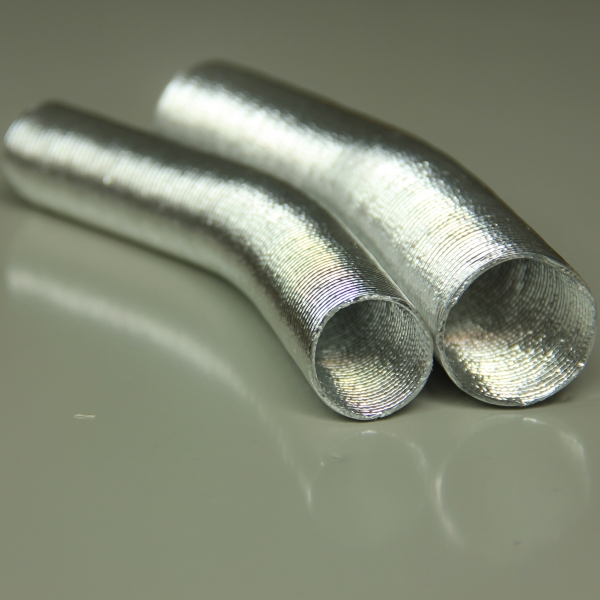
What Does the Aluminum Surface Do?
A reflective aluminum exterior is used to reduce radiant heat absorbed from nearby hot components. A fiberglass inner layer provides an additional thermal layer between the metallic wall and the protected part. These functions should be considered separately when selecting an aluminum fiberglass tube.
Neither construction actively cools a line. Where the component itself generates heat, or carries a hot fluid, review its complete thermal environment rather than assuming an outer cover will lower its temperature. Specify the acceptable condition of the protected component, not simply the highest temperature advertised for a covering material.
For a design review, identify whether the load comes from a nearby radiant source, hot surrounding air or direct contact. Do not turn a radiant-exposure statement into permission to rest the tube on an exhaust manifold.
When Should You Consider the Foil-Only Tube?
Start with the foil-only construction when the drawing calls for a corrugated aluminum cover and there is no requirement for a textile inner layer. The listed product retains its formed shape, which is useful when reviewing a defined route around an existing assembly.
Keep the selection conditional on the actual installation. Confirm that the tube can be routed without flattening, that its ends do not bear against a vulnerable hose or cable surface, and that its supports keep it in position. Do not assume that adding more foil layers will meet an untested thermal target.
For replacement purchasing, compare a cut section of the original component with the proposed sample. An outer photograph may not reveal whether the old part contains only foil, fiberglass, paper or another lining.
When Should You Consider a Fiberglass-Lined Tube?
Evaluate the fiberglass-lined construction when the assembly specification requires a composite wall or a fiberglass inner surface. The existing BSTFLEX product lists hose, cable and fluid-line protection among its applications, including coolant, air-conditioning and fuel-line assemblies.
The liner deserves its own inspection. Review its condition at the cut ends, after forming and wherever the protected component can move against it. Do not assume that fiberglass automatically eliminates chafing, or that a liner allows a smaller clearance from a heat source.
Ask for the complete construction reference. A general request for an “aluminized fiberglass tube” can otherwise leave open whether the supplier is quoting a corrugated composite tube or a soft textile sleeve.
Corrugated Heat Shield Tubing Is Not the Same as Soft Sleeving
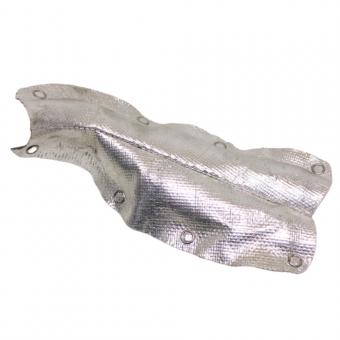
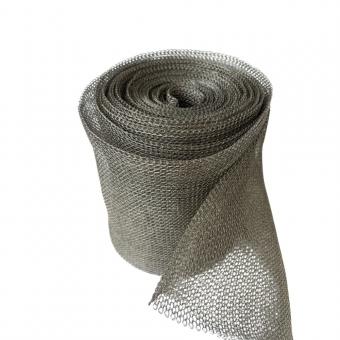
Heat shield tubing is also used as a description for sewn or braided textile products with a reflective outer facing. A corrugated construction should therefore be identified explicitly on the purchase order when a formed tubular wall is required.
Specify the expected installed shape rather than using “flexible” as the only mechanical requirement. A tube that can be formed during assembly has not, for that reason alone, been qualified for continuous articulation. If the route moves repeatedly, include that movement in the application review before selecting the wall.
Likewise, do not assume corrugated tubing will expand over a large connector in the same way as an expandable braid. Establish the assembly sequence before approving the nominal size.
Choose the Diameter Around the Component, Not Its Internal Bore
For external protection, the relevant starting dimension is the outside envelope of the part being covered. A fuel hose's internal bore, for example, does not describe the space needed to slide a heat protection tube over its outer cover or end fittings.
Record the largest item the tube must pass over, the final protected section and the available surrounding space. If the tube is installed before the end fitting is attached, state that sequence on the drawing. If it is a service replacement after assembly, review access separately.
Do not adopt a universal extra allowance. Fit, movement, retention and any intended separation should be agreed for the actual assembly. For a fiberglass-lined tube, specify the usable internal opening of the finished product rather than an unfinished metal diameter.
Two Installation Cases That Change the Choice
A preassembled hose with large end fittings
The tube may fit the hose body but not pass over the connector. First decide whether protection is fitted during hose manufacture or during vehicle service. Resolve that assembly constraint before comparing foil-only and fiberglass-lined samples; selecting a different wall does not solve an inaccessible installation path.
A formed cable route beside a hot component
The review needs to include the entire protected path, not just the straight section. Check the inner radius, end positions and supports after forming. Compare candidate constructions in that geometry, with the cable and heat-source clearances defined, rather than choosing from loose samples on a bench.
These are selection examples, not approved vehicle layouts. Retain the vehicle or equipment manufacturer's clearances and component requirements.
Do Not Substitute a Similar-Looking Air Duct
An aluminum corrugated tube may be supplied for component protection or for air routing. The shape alone does not establish its duty. The APK Hot Air Ducting Pipe, for example, is described with aluminum inside, paper in the middle and plastic outside; that is not the same wall as either protective tube compared here.
Keep the inquiry explicit: “external cover around a hose” is different from “duct carrying heated air.” Do not approve substitution merely because both products bend or share a nominal diameter. Neither description establishes suitability for containing combustion exhaust or transporting pressurized fuel.
Review Contact Points, Retention and Service Access
Treat the following as a proposed design-review checklist. The project engineer should define the applicable limits and approved attachment method.
| Location | Question to resolve |
|---|---|
| Cut ends | Can an exposed edge contact the hose cover, cable insulation or adjacent component during assembly or movement? |
| Bends | Does the formed tube maintain the agreed opening and clearance without local crushing or wall separation? |
| Clips and retainers | Does the selected attachment hold the protection in place without damaging the tube or the component beneath it? |
| Electrical interfaces | Are metallic edges kept clear of exposed terminals, and has any required electrical isolation been specified separately? |
| Service points | Can technicians inspect connectors, unions and the protected component without concealing a leak or damaging the cover? |
A reflective tube is not a repair for a damaged hose and should not be used to conceal an unresolved leak. Do not use a thermal-protection claim as evidence of dielectric insulation, pressure containment or flame certification.
Compare the Finished Assemblies, Not Unrelated Temperature Numbers
For a meaningful comparison, agree the same protected component, source position, installation route and operating conditions for both candidates. Define the measurement location and acceptance limit before evaluating the results.
Include the installed condition in the decision: a tube that meets a thermal target but cannot stay in position is not an acceptable substitute. Likewise, a neatly fitted cover still needs the required thermal evidence. Additional vibration, fluid-exposure or environmental requirements should be specified separately where the application calls for them.
Do not transfer a competitor's test temperature, bend radius or heat-reduction percentage to a BSTFLEX construction. Request evidence tied to the proposed part and its intended use.
Request the Right Corrugated Heat Protection Tube
Send BSTFLEX the protected component's outside dimensions, largest fitting, required covered length and installation photographs. State whether the specification calls for foil-only tubing or a fiberglass-lined composite, and include the thermal conditions, clearance limits and expected movement.
For an existing part, a cut-section photograph or reference sample is more useful than an outer photograph alone. Include the order quantity and required supplied length. The fiberglass-lined product page lists custom short lengths, bulk packaging and an optional internal insulation layer for review.
Compare the two constructions in the BSTFLEX heat protection tube range, or send your drawing and application requirements for a quotation.
FAQ: Aluminum Heat Shield Tubing
Is all aluminum heat shield tubing lined with fiberglass?
No. The BSTFLEX range includes three-layer aluminum foil corrugated sleeving and a separate composite tube with a fiberglass inner layer and two aluminum layers. Confirm the complete wall construction before ordering.
Is fiberglass-lined tubing always better than foil-only tubing?
Not for every assembly. The liner changes the construction, but the required thermal result, usable internal space, contact conditions and installation method must be checked. Compare representative finished assemblies rather than assuming one material list proves better performance.
Can a corrugated heat protection tube replace heater air ducting?
Not automatically. External component protection and air transport are different duties. Confirm the intended medium, wall construction and system requirements before considering a substitution.
How should I specify the size of protective tubing?
Start with the outside envelope of the protected component and any fittings the tube must pass over. Specify the finished internal opening, covered length, installation sequence and available clearance. Do not order the cover from the hose's internal bore alone.