czego szukasz?
Tłoczona aluminiowa osłona termiczna Aluminium tłoczone jest szeroko stosowane w przemyśle motoryzacyjnym, lotniczym i kosmicznym ze względu na wyjątkowe właściwości odbijania ciepła, niską wagę i odporność na korozję. W miarę jak firmy coraz częściej poszukują niezawodnych i ekonomicznych rozwiązań w zakresie zarządzania temperaturą, tłoczone aluminium staje się jednym z najbardziej konkurencyjnych materiałów na rynku.
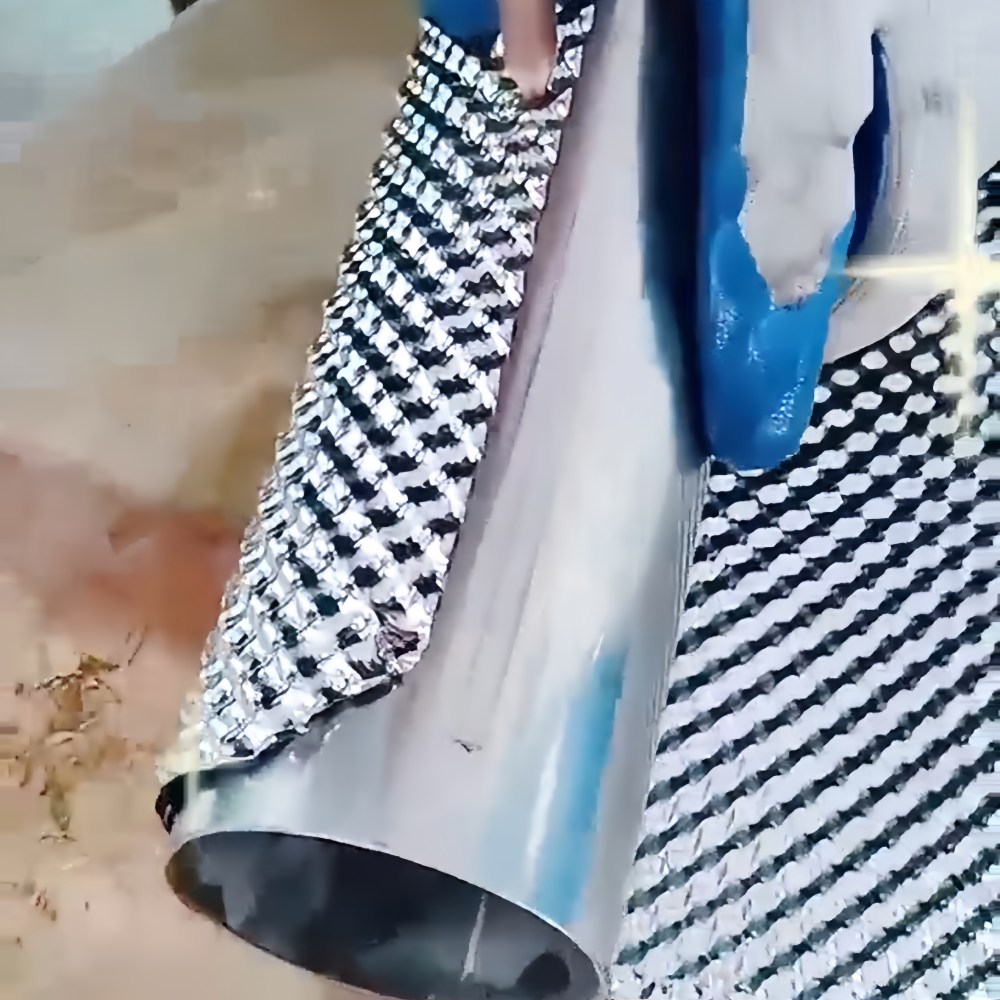
Tłoczona aluminiowa osłona termiczna to specjalnie uformowana blacha aluminiowa z wypukłymi wzorami, które poprawiają jej właściwości termiczne. W przeciwieństwie do płaskich blach aluminiowych, tłoczony wzór tworzy mikrokieszonki powietrzne, które pomagają skuteczniej odprowadzać ciepło, dzięki czemu idealnie nadaje się do środowisk o wysokiej temperaturze.
Materiały te zazwyczaj charakteryzują się:
Wypukły wzór diamentowy, kulisty lub niestandardowy wzór wytłoczenia
Stop aluminium odbijający ciepło
Lekka, a zarazem sztywna konstrukcja
Opcjonalny podkład klejący lub wzmocnienie włóknem
Tłoczenie zwiększa wytrzymałość, redukuje wibracje i poprawia przepływ powietrza. Dzięki temu osłona termiczna jest odporna na trudne warunki, takie jak wibracje silnika, wysokie temperatury i naprężenia mechaniczne.
Podstawową funkcją tłoczona aluminiowa osłona termiczna ma na celu odbijanie ciepła promieniowania. Aluminium charakteryzuje się wysokim współczynnikiem odbicia, co ogranicza przenikanie ciepła i chroni pobliskie elementy, takie jak okablowanie, układy paliwowe i elektronikę.
Wytłoczony wzór tworzy mikrokanaliki powietrzne, które:
Zwiększenie rozpraszania ciepła
Zwiększ sztywność
Poprawa odporności na wibracje
Zmniejsz wagę bez uszczerbku dla trwałości
Większość samochodów korzysta z tłoczonych aluminiowych osłon termicznych, które chronią podzespoły przed ciepłem spalin, obniżają temperaturę w kabinie i poprawiają wydajność paliwową.
Ze względu na swoją lekkość doskonale nadaje się do izolacji samolotów, chroniąc najważniejsze systemy przed ekstremalnymi temperaturami.
W fabrykach często stosuje się aluminiowe osłony termiczne, aby zapobiec przegrzaniu silników, generatorów i urządzeń elektronicznych dużej mocy.
Aluminium charakteryzuje się fantastycznym stosunkiem wytrzymałości do masy, dzięki czemu idealnie nadaje się do zastosowań wymagających dużej wydajności.
Ponieważ aluminium naturalnie tworzy ochronną warstwę tlenku, jest odporne na działanie wilgotnego i korozyjnego środowiska.
W porównaniu z osłonami ze stali nierdzewnej lub ceramiki aluminium jest bardziej przystępne cenowo, a jednocześnie skuteczne w większości zastosowań.
| Funkcja | Tłoczone aluminium | Stal nierdzewna | Włókno ceramiczne |
|---|---|---|---|
| Waga | Bardzo lekki | Ciężki | Światło |
| Odbicie ciepła | Doskonały | Dobry | Umiarkowany |
| Cena | Niski | Wyższy | Wysoki |
| Odporność na wibracje | Bardzo dobry | Umiarkowany | Słaby |
Wybór właściwej osłony zależy od temperatury roboczej, wymaganej sztywności i wzoru powierzchni.
Wielowarstwowe osłony zapewniają lepszą izolację i tłumienie akustyczne.
Usługi OEM/ODM umożliwiają przedsiębiorstwom dostosowywanie wzorów tłoczenia, warstw laminacji i struktur montażowych.
Osłony można montować za pomocą śrub, nitów, klipsów lub klejów wysokotemperaturowych.
Montaż zbyt blisko źródeł ciepła
Stosowanie niewłaściwych elementów złącznych
Nadmierne zginanie wytłoczonego wzoru
Regularne kontrole pomagają zapewnić długotrwałą wydajność. Należy usuwać zanieczyszczenia, sprawdzać pęknięcia i niezwłocznie wymieniać uszkodzone elementy.
Zwykle 5–10 lat, w zależności od sposobu użytkowania i środowiska.
Tak, szczególnie w celu ochrony termicznej akumulatora.
Jeśli chodzi o wagę i cenę – tak. W ekstremalnych temperaturach stal nierdzewna może być lepsza.
Tak, większość producentów oferuje cięcie laserowe i kształtowanie CNC.
Zdecydowanie. Zwiększa sztywność i rozpraszanie ciepła.

No.10, Chuangxin North Road, Nanshan Park, Ningguo Economic and Technological Development Zone, Ningguo City, Anhui Province, China
tel/Whatsapp : 0086-15856303740
e-mail : sales@bstbraidedsleeve.com
Skype : vanesa-cheng