czego szukasz?
Jakiś Bariera termiczna z klejem to wysoce skuteczny materiał termoizolacyjny, który odbija ciepło promieniowania, zapewniając jednocześnie szybki i bezpieczny montaż dzięki warstwie kleju samoprzylepnego (PSA). Jest szeroko stosowany w przemyśle motoryzacyjnym, HVAC i instalacjach elektrycznych, gdzie oszczędność miejsca, odporność na wysokie temperatury i łatwość montażu mają kluczowe znaczenie.
W przeciwieństwie do tradycyjnych osłon termicznych, które wymagają mechanicznych łączników, samoprzylepną barierę termiczną można nakładać bezpośrednio na czyste powierzchnie, co skraca czas montażu i poprawia ogólną wydajność. Ta strona zawiera kompletny przewodnik techniczny dotyczący materiałów, wydajności, zastosowań i kryteriów doboru.
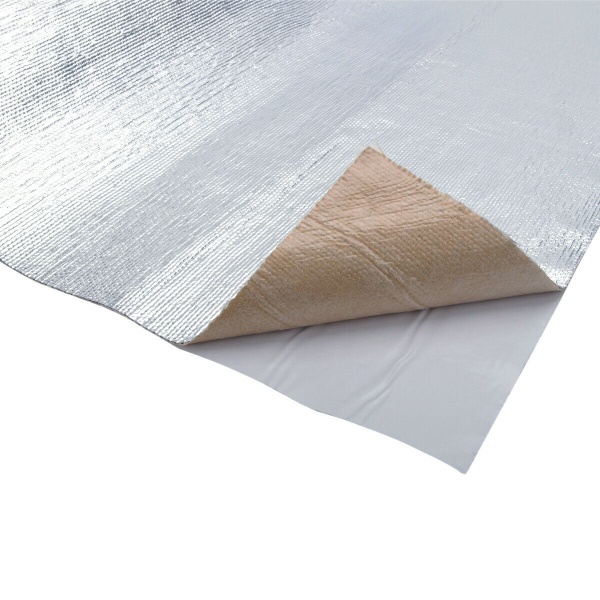
Jakiś Bariera termiczna z klejem to wielowarstwowy materiał termoizolacyjny, który łączy odblaskową lub izolacyjną warstwę wierzchnią z wysokowydajnym klejem podkładowym. Jego główną funkcją jest blokować promieniowanie cieplne , obniżają temperaturę powierzchni i chronią otaczające elementy przed uszkodzeniami spowodowanymi ciepłem.
Warstwa klejąca umożliwia bezpieczne wiązanie materiału z powierzchniami metalowymi, plastikowymi lub kompozytowymi bez wiercenia ani stosowania dodatkowych elementów. Dzięki temu klejone bariery termiczne idealnie sprawdzają się w ciasnych przestrzeniach, w przypadku skomplikowanych geometrii oraz w projektach modernizacyjnych.
Odbijanie ciepła promieniowania od wrażliwych elementów
Zmniejszenie pochłaniania ciepła i zmęczenia cieplnego
Poprawa efektywności energetycznej i wydłużenie żywotności podzespołów
Umożliwia szybką i czystą instalację
Wydajność bariery termicznej z warstwą klejącą w dużej mierze zależy od jej konstrukcji. Większość produktów składa się z następujących warstw:
Do powszechnie stosowanych materiałów zalicza się:
Folia aluminiowa – Doskonałe odbicie ciepła promieniowania (do 95%)
Tkanina z włókna szklanego – Wysoka odporność na temperaturę i trwałość
Tkanina krzemionkowa – Ekstremalna ochrona przed wysoką temperaturą w środowiskach przemysłowych
Niektóre projekty obejmują:
Mata z włókna szklanego
Włókno ceramiczne
Izolacja włókninowa
Warstwa ta zwiększa opór cieplny i zmniejsza przewodzenie ciepła.
Warstwa klejąca jest przeznaczona do stosowania w środowiskach o wysokiej temperaturze i może obejmować:
Klej akrylowy – Silne wiązanie, dobra odporność chemiczna
Klej silikonowy – Doskonała stabilność w wysokich temperaturach
| Warstwa | Funkcjonować |
|---|---|
| Warstwa twarzy | Odbija lub opiera się promieniowaniu cieplnemu |
| Rdzeń izolacyjny | Zmniejsza przewodzenie ciepła |
| Wsparcie PSA | Umożliwia łatwą instalację |
Wysokiej jakości bariera termiczna z warstwą klejącą została zaprojektowana tak, aby działać w wymagających warunkach termicznych.
Ciągła odporność na temperaturę: 200°C – 550°C (392°F – 1022°F)
Odbicie ciepła promieniowania: Do 95%
Krótkoterminowa ekspozycja szczytowa: Do 1100°C (2012°F), w zależności od materiału
Aluminiowa powierzchnia odbija energię promieniowania, a warstwy izolacyjne spowalniają przenoszenie ciepła. Klej został opracowany tak, aby zachować wytrzymałość połączenia, nie topiąc się ani nie degradując w wysokich temperaturach.
Ze względu na swoją wszechstronność materiały termoizolacyjne z klejem znajdują zastosowanie w wielu gałęziach przemysłu:
Zapory i grodzie
Izolacja tunelu wydechowego
Zabezpieczenie termiczne akumulatora
Osłona termiczna pod maską
Obudowy maszyn
Obudowy wysokotemperaturowe
Piece i piekarniki
Izolacja urządzeń procesowych
Izolacja kanałów
Centrale wentylacyjne
Izolacja termiczna komponentów
Ochrona kabli i przewodów
Izolacja panelu sterowania
Pakiety baterii i moduły zasilania
Wybór bariery cieplnej z warstwą klejącą ma kilka zalet w porównaniu z tradycyjnymi metodami izolacji:
Szybka instalacja: Nie wymaga wiercenia, cięcia ani stosowania elementów mocujących
Konstrukcja oszczędzająca miejsce: Cienki profil idealny do ciasnych przestrzeni
Silna przyczepność: Mocno łączy się z powierzchniami metalowymi i kompozytowymi
Lekka: Dodaje minimalną wagę do zespołów
Czysty wygląd: Profesjonalne wykończenie bez widocznych elementów metalowych
Zalety te sprawiają, że bariery termiczne z warstwą klejącą cieszą się szczególną popularnością w nowoczesnych projektach motoryzacyjnych i przemysłowych.
Wybór odpowiedniego materiału ma kluczowe znaczenie dla wydajności i bezpieczeństwa. Należy wziąć pod uwagę następujące czynniki:
Dopasuj ciągłe i szczytowe wartości temperatury do swojego zastosowania
Do metalu, powierzchni malowanych, tworzyw sztucznych lub materiałów kompozytowych mogą być potrzebne inne kleje
Narażenie na działanie oleju, wilgoci, wibracji lub substancji chemicznych
Powierzchnie płaskie i zakrzywione
Do użytku wewnątrz i na zewnątrz
Dobrze dobrana warstwa termoizolacyjna z klejem gwarantuje długotrwałą trwałość i niezawodną ochronę termiczną.
Wielu producentów oferuje możliwość dostosowania do konkretnych potrzeb projektu, w tym:
Niestandardowa grubość i wymiary
Formaty wycinane lub rolowane
Różne rodzaje klejów
Opakowania markowe lub pod marką własną
Rozwiązania dostosowane do indywidualnych potrzeb pozwalają zoptymalizować wydajność, jednocześnie redukując ilość odpadów i czas instalacji.
Niezawodna bariera termiczna z warstwą klejącą powinna być produkowana zgodnie z rygorystycznymi standardami kontroli jakości. Szukaj:
Stała grubość materiału
Wysokiej jakości surowce
Przetestowano wydajność klejenia
Stabilne dostawy i spójność partii
Profesjonalni producenci mogą również udostępnić arkusze danych technicznych i wskazówki dotyczące zastosowań.
Tak. Konstrukcja umożliwiająca odklejenie i przyklejenie pozwala na szybką instalację na czystych i suchych powierzchniach bez użycia specjalistycznych narzędzi.
Większość produktów wykorzystuje kleje akrylowe lub silikonowe wrażliwe na nacisk, przeznaczone do stosowania w środowiskach o wysokiej temperaturze.
Niektóre materiały można usunąć, ale w zależności od temperatury i rodzaju powierzchni mogą pozostać resztki kleju.
Tak, pod warunkiem, że materiał jest odporny na wilgoć, promieniowanie UV i warunki środowiskowe.
Aluminium skutecznie odbija ciepło promieniowania, natomiast warstwa izolacyjna ogranicza przewodzenie ciepła.
Tak, grubość, rozmiar, rodzaj kleju i skład materiału można dostosować do konkretnych zastosowań.
Wybierając odpowiednie materiały i system klejenia, przedsiębiorstwa mogą znacząco poprawić ochronę termiczną, żywotność podzespołów i ogólną wydajność systemu.

No.10, Chuangxin North Road, Nanshan Park, Ningguo Economic and Technological Development Zone, Ningguo City, Anhui Province, China
tel/Whatsapp : 0086-15856303740
e-mail : sales@bstbraidedsleeve.com
Skype : vanesa-cheng