czego szukasz?
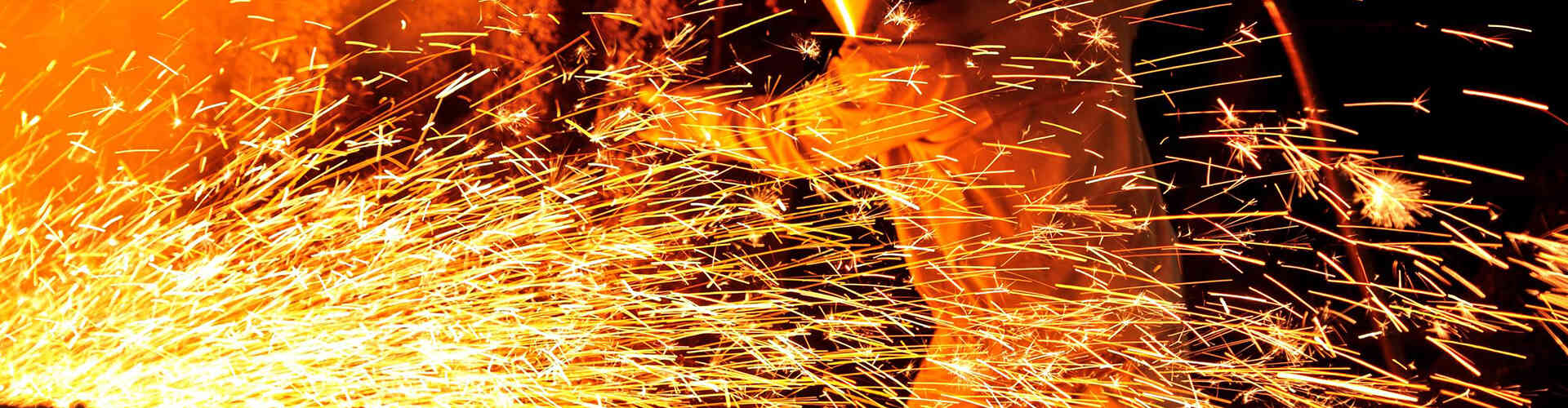
Chwila uszczelnienie tłumika wydechowego Wymiana jest stosunkowo prostym zadaniem, jednak wielu właścicieli pojazdów i mechaników popełnia typowe błędy, które mogą negatywnie wpłynąć na działanie tłumika, jakość dźwięku i ogólną żywotność. Błędy te często prowadzą do kosztownych napraw i niepotrzebnych przestojów.
W tym przewodniku przedstawimy 10 najczęstszych błędów których należy unikać podczas wymiany uszczelnienia tłumika wydechowego, a także przedstawiamy praktyczne rozwiązania, które zagwarantują optymalne działanie tłumika.
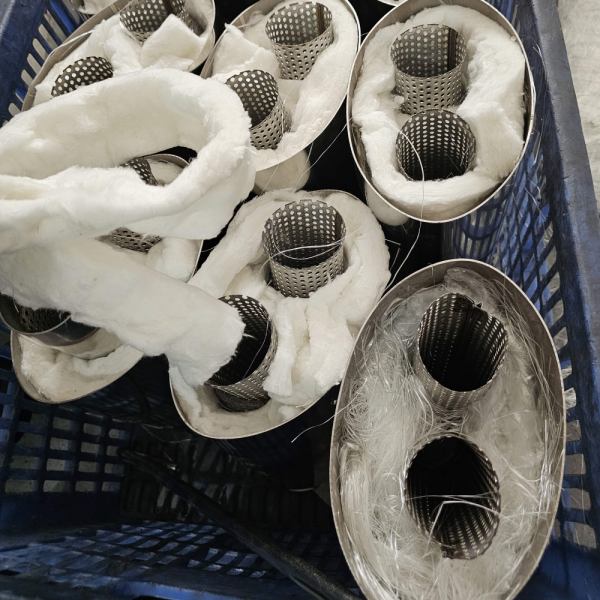
Wybór niewłaściwego materiału (np. włókna szklanego zamiast włókna bazaltowego w przypadku środowisk o wysokiej temperaturze) prowadzi do przedwczesnej awarii i słabej kontroli dźwięku.
Zawsze dopasowuj materiał opakowaniowy do konkretnego zastosowania:
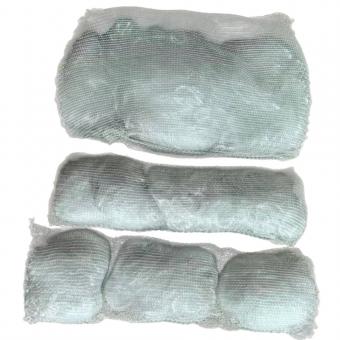
Włókno szklane do standardowych układów wydechowych motocykli i samochodów
Włókno bazaltowe do zastosowań wymagających wysokiej temperatury i wydajności
Włókno ze stali nierdzewnej do wyścigów i zastosowań przemysłowych
Zbyt ścisłe upakowanie materiału może ograniczyć przepływ spalin, co może skutkować obniżeniem osiągów i ewentualnym uszkodzeniem silnika.
Upewnij się, że uszczelnienie tłumika jest zamontowane lekka kompresja , umożliwiając właściwy przepływ powietrza, a jednocześnie zapewniając redukcję hałasu.
Niewyczyszczenie tłumika przed zamontowaniem nowego uszczelnienia może prowadzić do zmniejszenia pochłaniania dźwięku oraz zatkania spowodowanego resztkami starego, spalonego materiału.
Przed zamontowaniem nowego uszczelnienia dokładnie wyczyść wnętrze tłumika, aby usunąć wszelkie zanieczyszczenia, sadzę i pozostałości. Zapewni to optymalną wydajność.
Zamontowanie tłumika w niewłaściwym kierunku może zmniejszyć jego skuteczność, powodując nierównomierne pochłanianie dźwięku i szybszą degradację.
Postępuj zgodnie ze wskazówkami producenta lub poszukaj odpowiednich oznaczeń na opakowaniu, aby zapewnić właściwą orientację montażu.
Zbyt długie czekanie z wymianą uszczelnienia tłumika wydechowego prowadzi do dalszego pogorszenia stanu tłumika, możliwego uszkodzenia tłumika i wyższych kosztów naprawy.
Regularnie monitoruj hałas i pracę układu wydechowego. Wymieniaj uszczelnienie co 10 000–20 000 km lub wcześniej, jeśli zauważysz oznaki zużycia.
Wybór materiałów opakowaniowych niskiej jakości może skutkować słabą wydajnością, szybką degradacją i niepożądanym hałasem.
Zainwestuj w wysokiej jakości materiały opakowaniowe od renomowanych producentów, aby zapewnić sobie trwałość, kontrolę hałasu i odporność na ciepło.
Nadmierne ściśnięcie materiału opakowaniowego podczas instalacji może spowodować utrata właściwości tłumiących dźwięk i zmniejszyć przepływ powietrza.
Podczas montażu uszczelnienia należy zachować ostrożność. Kompresja powinna być wystarczająca, aby utrzymać materiał na miejscu, ale nie na tyle mocna, aby negatywnie wpłynąć na wydajność.
Niewykonanie prawidłowego ponownego montażu tłumika po wymianie uszczelnienia może skutkować luźnymi częściami, zwiększonymi wibracjami i potencjalnym uszkodzeniem układu wydechowego.
Przed ponownym montażem tłumika należy dokładnie sprawdzić wszystkie elementy. Dokręć śruby lub nity, aby uniknąć luzowania się lub grzechotania podczas pracy.
Użycie niewłaściwych narzędzi podczas montażu może doprowadzić do uszkodzenia tłumika lub materiału uszczelniającego, co skutkuje nieefektywnością, a nawet awarią systemu.
Użyj odpowiednich narzędzi do demontażu tłumika, czyszczenia wnętrza i zabezpieczenia uszczelnienia. Zazwyczaj wystarczą podstawowe narzędzia ręczne i śrubokręt.
Pominięcie kontroli po instalacji może skutkować przeoczeniem takich problemów, jak nierównomierne uszczelnienie, nieprawidłowe dopasowanie lub inne problemy związane z instalacją.
Po zamontowaniu uszczelnienia i ponownym złożeniu tłumika, należy dokładnie sprawdzić, czy nie ma żadnych szczelin, luzów lub problemów z jakością dźwięku. Przetestuj układ wydechowy, aby upewnić się, że działa prawidłowo.
Chociaż unikanie błędów instalacyjnych jest kluczowe, bieżąca konserwacja jest równie istotny dla zapewnienia trwałości uszczelnienia tłumika. Obejmuje to:
Okresowe kontrole dźwięku ocena stanu opakowania
Regularne sprzątanie do usuwania zanieczyszczeń i nagromadzonej sadzy
Inspekcje wizualne podczas rutynowych kontroli układu wydechowego
Zrozumienie i unikanie tych typowych błędów w uszczelnieniu tłumika wydechowego może znacznie wydłużyć jego żywotność, zmniejszyć częstotliwość wymiany i poprawić wydajność układu wydechowego. Niezależnie od tego, czy konserwujesz układ wydechowy motocykla, samochodu, czy pojazdu przemysłowego, przestrzeganie tych wskazówek zapewni płynną i wydajną pracę układu przez dłuższy czas.

No.10, Chuangxin North Road, Nanshan Park, Ningguo Economic and Technological Development Zone, Ningguo City, Anhui Province, China
tel/Whatsapp : 0086-15856303740
e-mail : sales@bstbraidedsleeve.com
Skype : vanesa-cheng